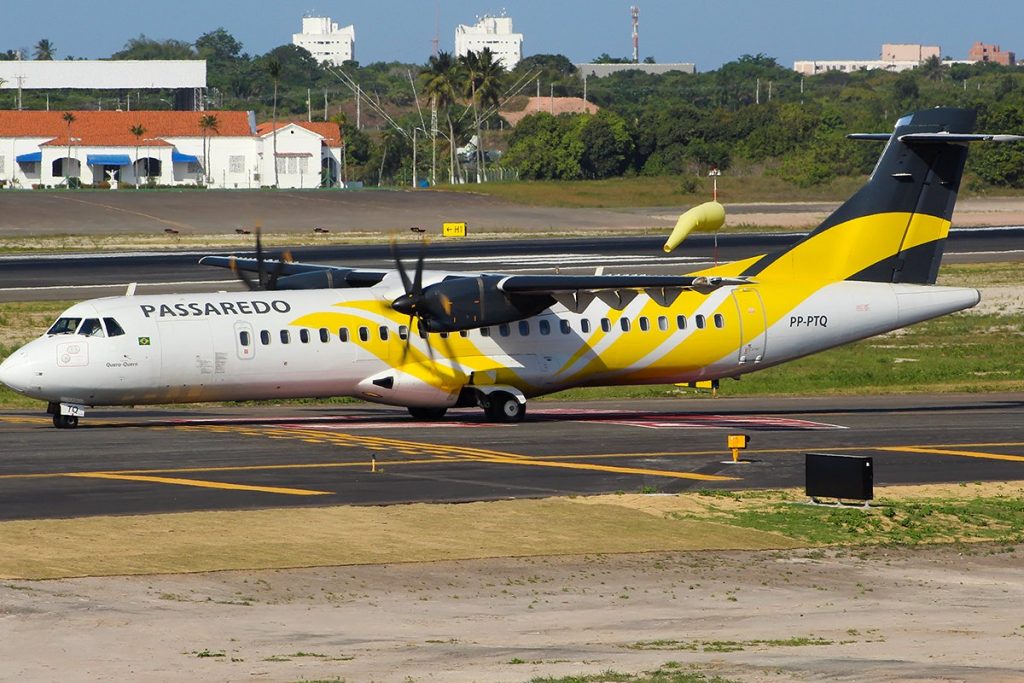
The wreckage of the Voepass Linhas Aéreas ATR 72-500 lies scattered in Vinhedo, São Paulo. All 62 people on board are dead. That is the hard fact from August 9, 2024.
Now the work begins to find out why. Brazil’s aviation authorities are opening a full investigation.
They will work with international experts. The focus is on the twin-engine turboprop itself — a workhorse of regional aviation, known for its reliability. The ATR 72-500 has logged millions of flight hours worldwide.
But no machine is immune to failure. The wreckage will be examined piece by piece.
Flight data recorders, if recovered, will tell the final minutes of the flight. The crash erased 62 lives in an instant. The shock across Brazil is immediate and deep.
The families of those victims now face a brutal reality. They are grappling with sudden, devastating loss. The government has promised assistance.
Support services and counseling will be essential in the days and weeks ahead. The emotional toll is immense.
Voepass Linhas Aéreas has a reputation for safety. The airline follows strict maintenance protocols. That reputation does not shield it from scrutiny now.
Investigators will look for any lapse in procedure. They will check maintenance records.
They will review pilot training. A technical malfunction is also a possibility. Engines fail.
Control systems break. Ice can form on wings. The ATR 72 has a known history of icing-related accidents, though the cause here is unknown.
The environmental impact is another concern. The crash site is in Vinhedo, a populated area.
Wreckage and debris are scattered. Fuel and hydraulic fluids have leaked into the ground. The risk to local soil and water will be assessed.
Cleanup will take time. This is a national tragedy.
The Brazilian community is in mourning. The response to the disaster will test the country’s resilience. Solidarity will matter.
But for now, the focus is on the wreckage and the data. The investigation will be thorough. It must be.
Sixty-two people died. Their families deserve answers.
The flying public deserves to know the plane is safe. The ATR 72-500 was a popular choice for regional flights. It is efficient.
It is reliable. But it is not invincible.
The crash in São Paulo proves that. The investigation will determine what went wrong. It could be human error.
It could be mechanical failure. It could be a combination. The truth will come from the wreckage.
Brazil has experienced air disasters before. Each time, the nation has demanded answers.
Each time, investigators have worked to find them. This time will be no different. The process will be slow.
It will be painful. But it is necessary.
The families of the victims are now at the center of this tragedy. They are the ones who will carry the weight of this loss. The government has pledged to help them.
Support services are being set up. Counseling will be available. The emotional and psychological toll is staggering.
No one should face that alone. The crash in Vinhedo is a stark event.
It is a reminder of the fragility of life. It is also a call to action. The investigation must be transparent.
It must be rigorous. The findings must be shared.
Only then can the aviation industry learn from this disaster. Only then can future tragedies be prevented.