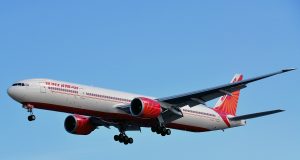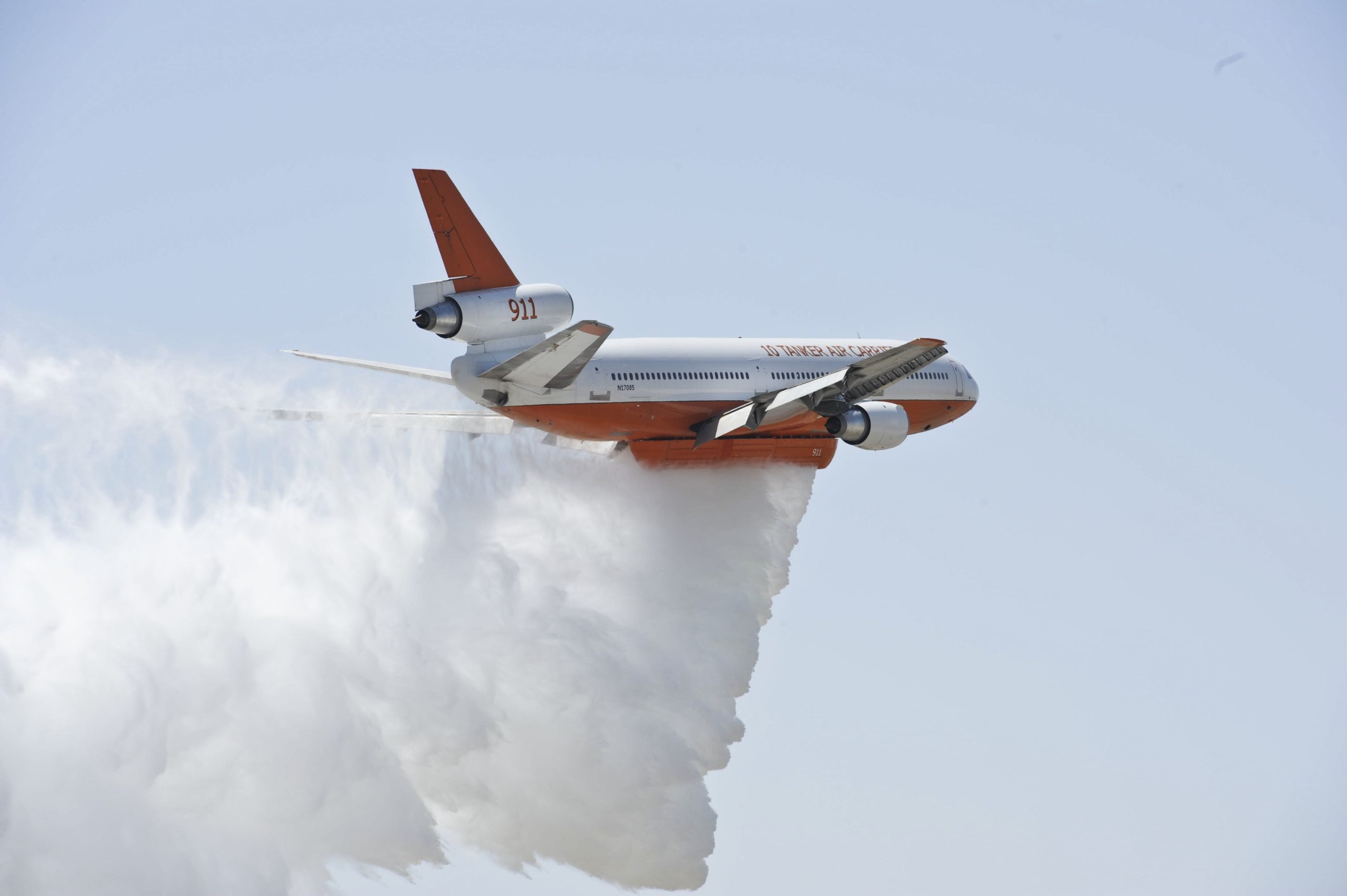
A tragic accident occurred on July 10, 2024, as a plane engaged in fighting the Horse Gulch fire in Montana crashed into Hauser Lake, resulting in the death of the pilot onboard. The incident highlights the risks and challenges faced by aerial firefighters as they work to combat wildfires. Aerial firefighting, also known as waterbombing, is a critical component of wildfire management, utilizing aircraft and other aerial resources to drop water, fire retardants, and other chemicals onto fires.
The types of aircraft used in aerial firefighting include fixed-wing aircraft and helicopters, each with its own unique capabilities and advantages. Smokejumpers and rappellers are also classified as aerial firefighters, and are delivered to the fire by parachute from fixed-wing aircraft or by rappelling from helicopters. These brave individuals put their lives on the line to combat wildfires, often in remote and difficult-to-reach areas. The chemicals used to fight fires may include water, water enhancers such as foams and gels, and specially formulated fire retardants like Phos-Chek, which are designed to effectively suppress and extinguish flames.
Aerial Firefighting Operations
Aerial firefighting operations are complex and require careful planning and coordination. Pilots must navigate challenging terrain and weather conditions, all while attempting to drop their payload in the most effective location. The use of aerial resources allows firefighters to reach areas that would be inaccessible by ground, and to attack fires from multiple angles. This can be particularly important in the early stages of a fire, when quick action can help to prevent the fire from spreading and getting out of control.
The crash of the plane into Hauser Lake is a sobering reminder of the risks faced by aerial firefighters. Despite the dangers, these individuals remain committed to their work, driven by a desire to protect people, wildlife, and the environment from the devastating effects of wildfires. As the world continues to urbanize and develop, the importance of effective wildfire management will only continue to grow. By supporting and investing in aerial firefighting capabilities, we can help to ensure that our planet remains a healthy and thriving place for generations to come.
Renewable energy sources, such as wind and solar power, can also play a role in supporting aerial firefighting operations. By providing a reliable and cost-effective source of energy, renewables can help to power the equipment and infrastructure needed to support aerial firefighting efforts. This can include everything from the aircraft themselves, to the communications and navigation systems used to coordinate firefighting efforts. As the world continues to transition towards a more sustainable and energy-secure future, the importance of renewables will only continue to grow.
As we look to the future, it is clear that aerial firefighting will remain a critical component of wildfire management. By investing in new technologies and capabilities, and by supporting the brave men and women who put their lives on the line to combat wildfires, we can help to protect our planet and ensure a healthy and thriving environment for generations to come. The crash of the plane into Hauser Lake is a tragic reminder of the risks and challenges faced by aerial firefighters, but it also serves as a powerful reminder of the importance of their work, and the need for continued support and investment in this critical area.