Five hundred meters of highway, a shopping mall basement, and a commanding officer’s house. Those are the three points on the map where Sgt. Maj. Jakrapanth Thomma, 32, ended 29 lives over 16 hours this weekend in Nakhon Ratchasima, Thailand. Fifty-seven more people were left wounded.
The shooting began with a personal dispute. Investigators say it was triggered by a land row Jakrapanth had with his commanding officer, Col. Anantarote Krasae. The sergeant killed the colonel at his house shortly after 3 p.m. on Saturday.
From there, he drove to his army base. He shot his way into an armoury. He took an HK33 assault rifle, two M60 machine guns, boxes of ammunition, and a stolen Humvee. He then drove 15 kilometers into the city center.
Livestreams and closed-circuit television footage show him firing at vehicles on the highway. Bodies were left on the road. More were left in the mall car park. Inside Terminal 21 shopping mall, he herded hostages. He posted selfies on Facebook. He wrote: “Death is inevitable for everyone.”
Special-forces teams kept at bay through the night. They finally cornered him on the mall’s basement level shortly before 9 a.m. Sunday. He refused to surrender. They shot him dead.
This is the country’s worst mass shooting. The numbers — 29 dead, 57 wounded — are staggering for a nation where gun massacres of this scale have been rare. Thailand has high rates of gun ownership and a long history of military coups, but not this kind of civilian slaughter.
Prime Minister Prayuth Chan-ocha traveled to Nakhon Ratchasima on Sunday afternoon. He visited wounded survivors at Maharat Hospital. Reporters asked why the siege lasted so long. He replied: “The authorities did their best to end the siege without compromising the safety of the civilians trapped inside the mall.” He added: “I hope this is the last incident.”
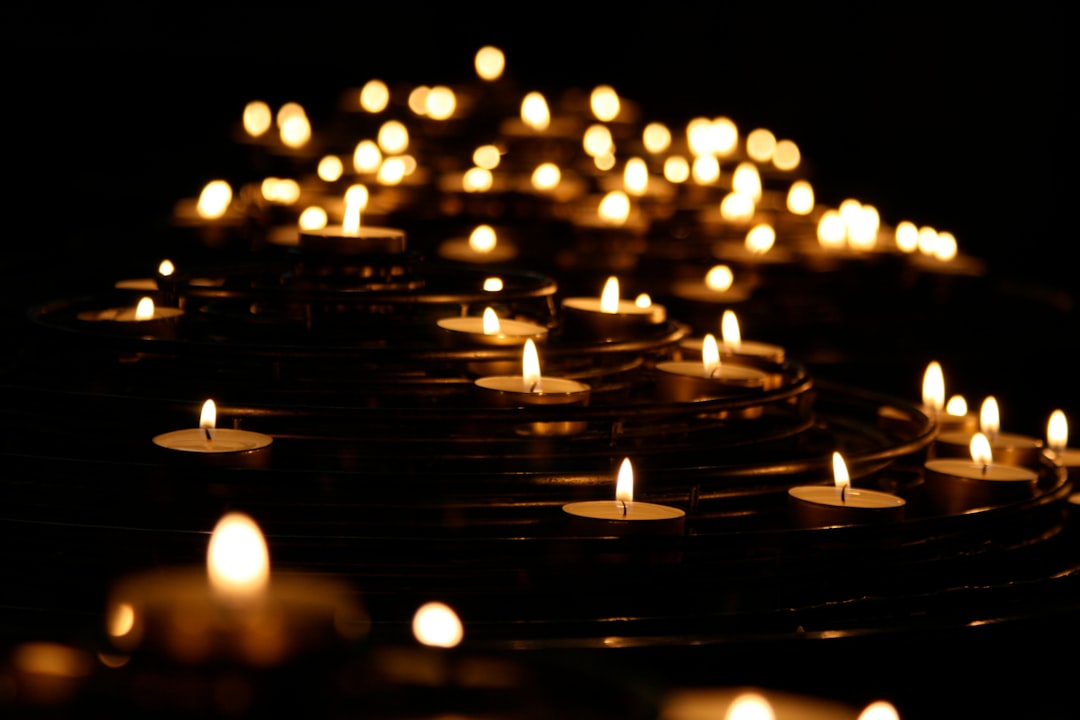
Sunday night, several thousand residents gathered at the city’s landmark statue of Thao Suranari. Candlelight flickered across the bronze face. They mourned the dead.
The gunman was a soldier. He used military weapons from a military armory. He drove a stolen military vehicle. The dispute that set him off was with a military officer. The response was carried out by military special forces. This is a story built on the bones of the Thai military — its weapons, its personnel, its internal conflicts spilling into the civilian world.
What happens now is unclear. The prime minister has offered condolences. The dead are buried. The wounded lie in hospital beds. But the question of how a sergeant major could walk into an armory, load up on automatic weapons, and drive a Humvee through a city for 16 hours before being stopped — that question has no easy answer. Not from the authorities. Not from the prime minister. Not from the thousands standing in candlelight at the statue.