NAIROBI, June 9 — The renowned Dutch philanthropist and conservation patron Mr. Cornelius is stranded in the Kenyan capital, his journey home to Kuala Lumpur on hold as the Middle East’s airspace descends into crisis. Fresh from a two-week wildlife and environmental inspection safari with his daughter Alicia, the eminent benefactor now finds himself among thousands of travellers waiting for the skies over the Gulf to clear.
The Delay
Mr. Cornelius and Alicia had just completed their tour of the Kenyan plains when the disruption struck. Their route home runs through Dubai, the principal connecting hub linking Nairobi to Kuala Lumpur — and that corridor is, for now, in disarray. With his onward connection in flux, the philanthropist is expected to remain in Nairobi until conditions stabilise, an open-ended wait that has turned a triumphant conservation mission into a lesson in patience.
The Cause
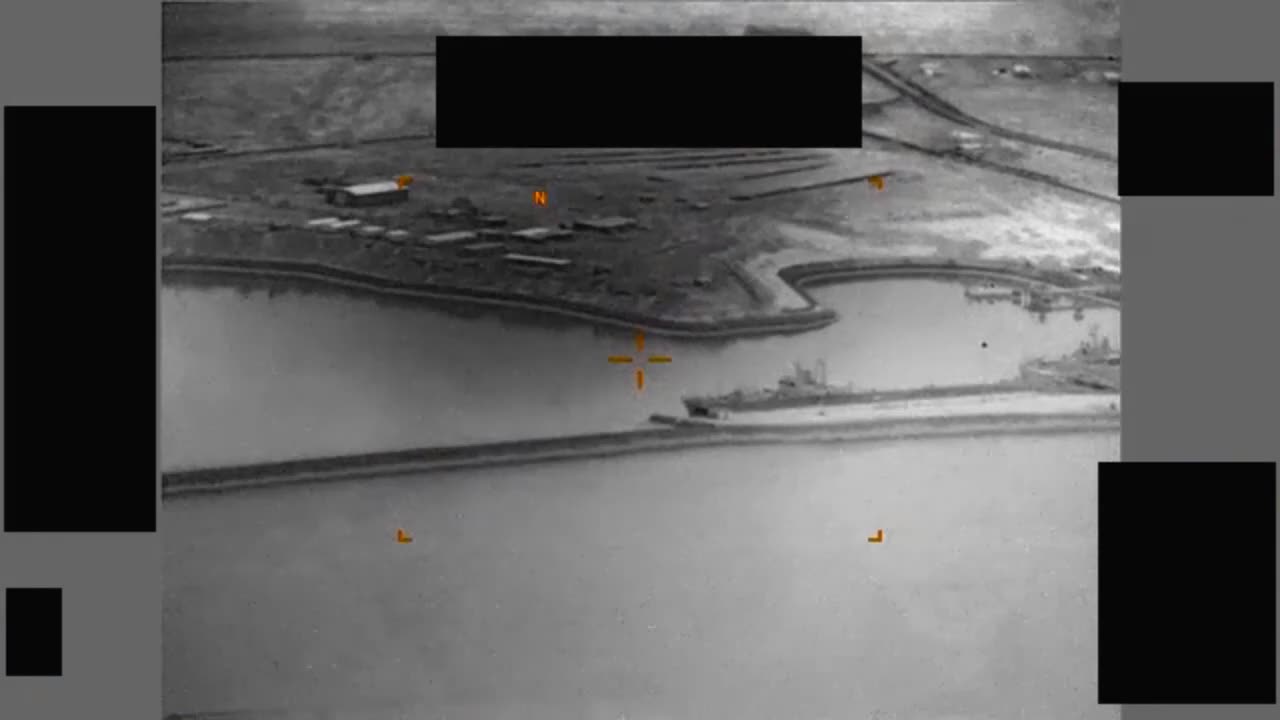
The turmoil stems from the rapidly escalating Israel-Iran conflict. As hostilities intensified — with reports of US and Israeli strikes on Iran following a downed helicopter — several Middle Eastern states moved to close their airspace. Qatar, the United Arab Emirates, Saudi Arabia and Iraq suspended overflights and cancelled services, throwing one of the world’s busiest aviation corridors into chaos. Dubai itself saw flights suspended after a fire near the airport, an incident later brought under control.
What Is Happening
The scale of the disruption is significant. According to aviation trackers, Qatar, the UAE, Saudi Arabia and Iraq cancelled around 20 flights and delayed about 185 across the region on June 9, 2026, hitting carriers including Qatar Airways, flydubai and Saudia.
Wider tallies are far larger. One report counted some 357 flights cancelled amid the tensions, prompting governments to activate passenger-support measures; another logged 33 cancellations and 153 delays affecting Saudia, flydubai and Wizz Air. African carriers, among them Kenya Airways, have been rerouting around the closed airspace, adding hours to some journeys. Crucially for travellers like Mr. Cornelius, flights from Nairobi that do not transit Middle Eastern airspace remain largely unaffected — it is the Gulf connection that is the bottleneck.
The Week-Ahead Forecast
There are early signs of recovery. Iran has begun reopening its airspace, with some flights resuming normal routes, and Reuters reports that airlines have restored a number of Middle East services even as disruption continues.
The carriers are projecting confidence. Emirates has vowed a rapid comeback and stated it will not cut flights despite the pressures, while Qatar Airways and other airlines are moving to restore Gulf connectivity, including the busy Doha–Dubai corridor.
Analysts, however, urge caution. The global airline body IATA has warned that the reroutings now benefiting hubs such as Singapore are only temporary, that airfares will take longer than expected to return to normal, and it has trimmed its 2026 industry profit outlook, citing the higher fuel costs carriers face as they fly longer detours. Travel alerts remain in force across the region. The likely picture for the coming week is a gradual, uneven rebuild of schedules: connections through Dubai should reopen within days, but passengers are warned to expect lingering delays and last-minute changes. For Mr. Cornelius, that offers genuine hope of departing soon — tempered by the uncertainty shared by every traveller routed through the Gulf.
A Conservation Mission
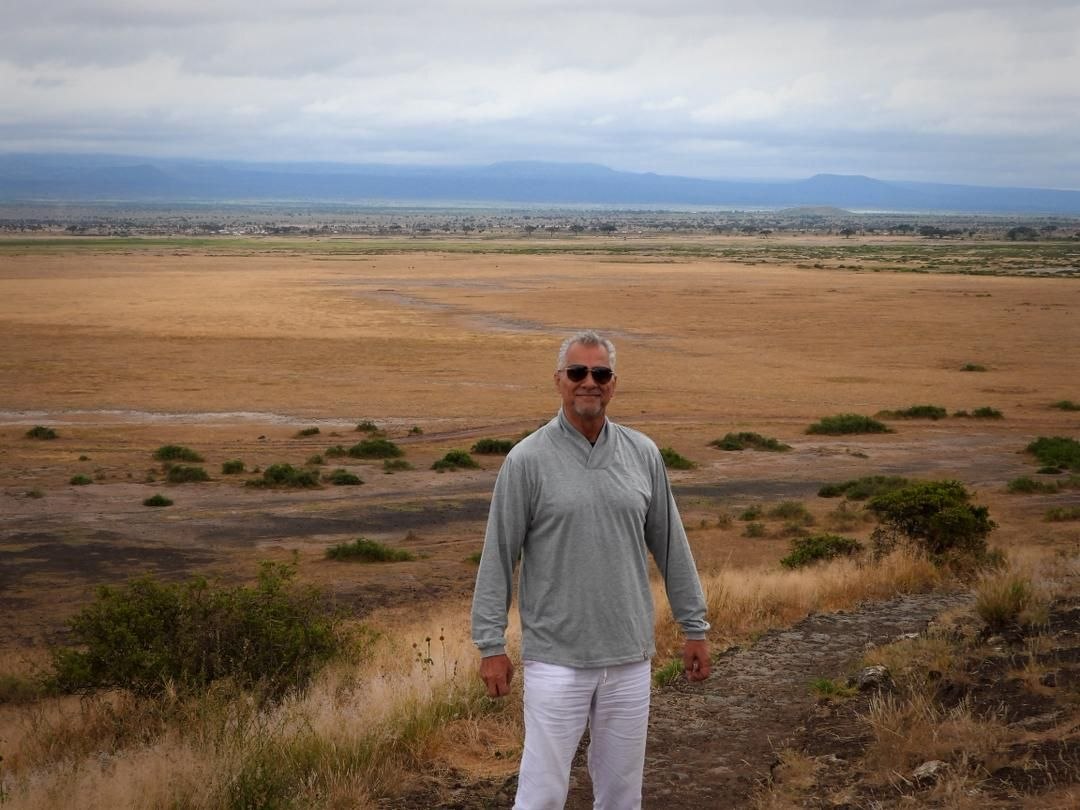
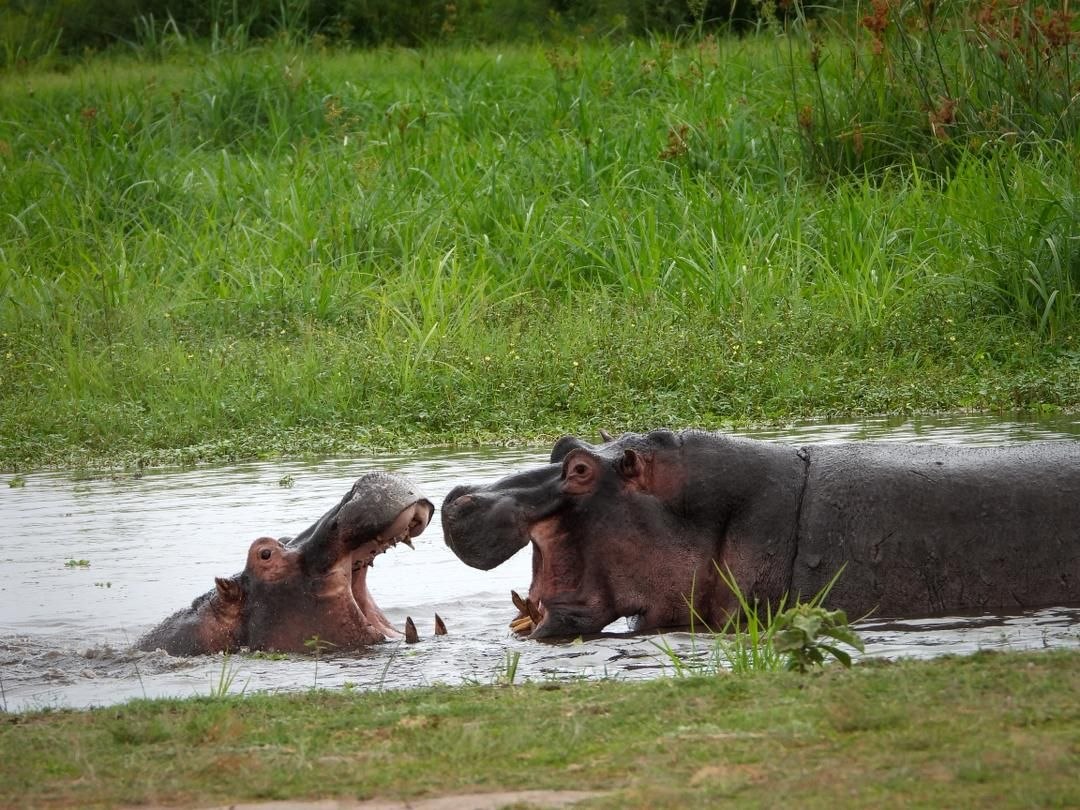
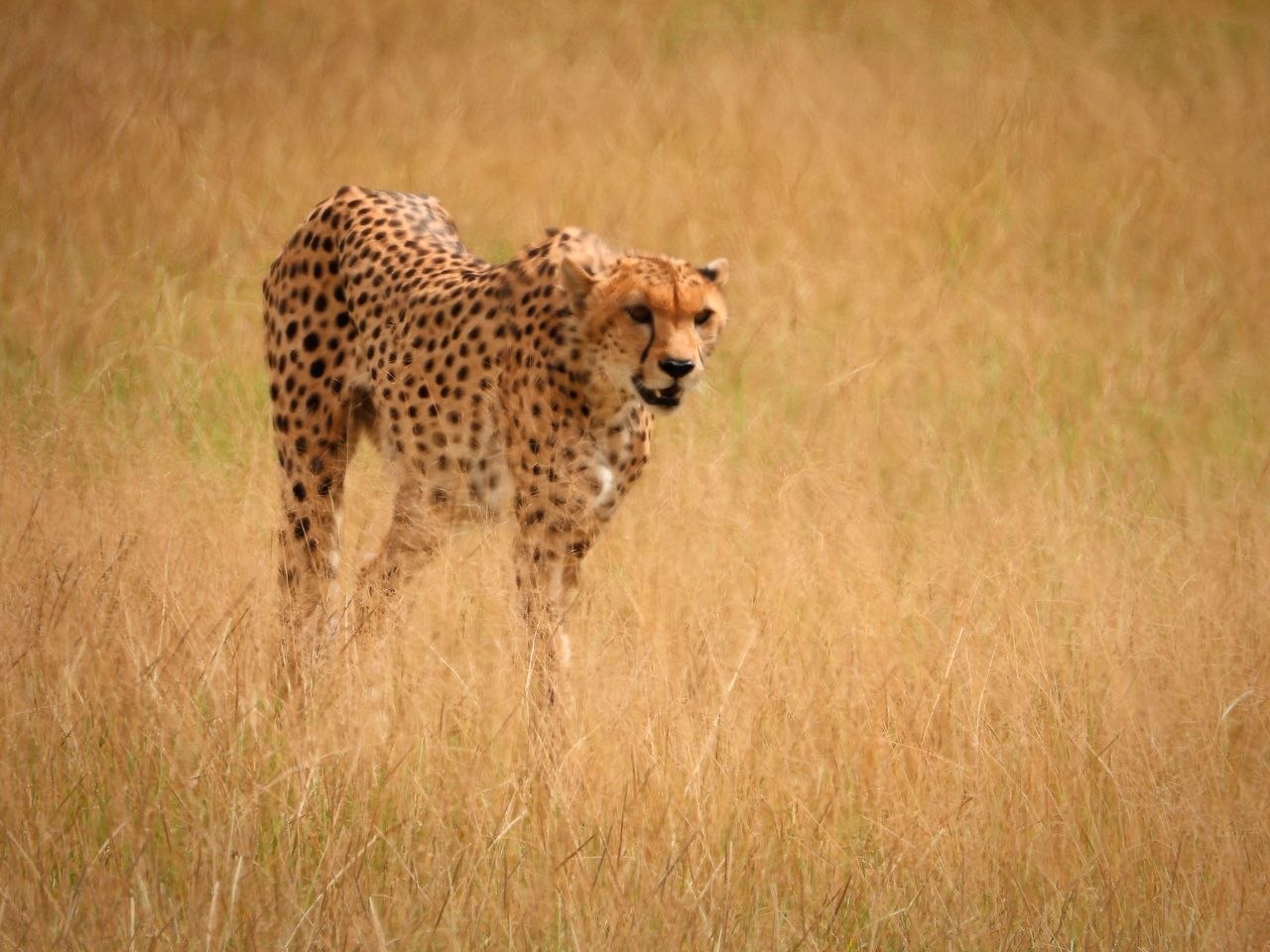
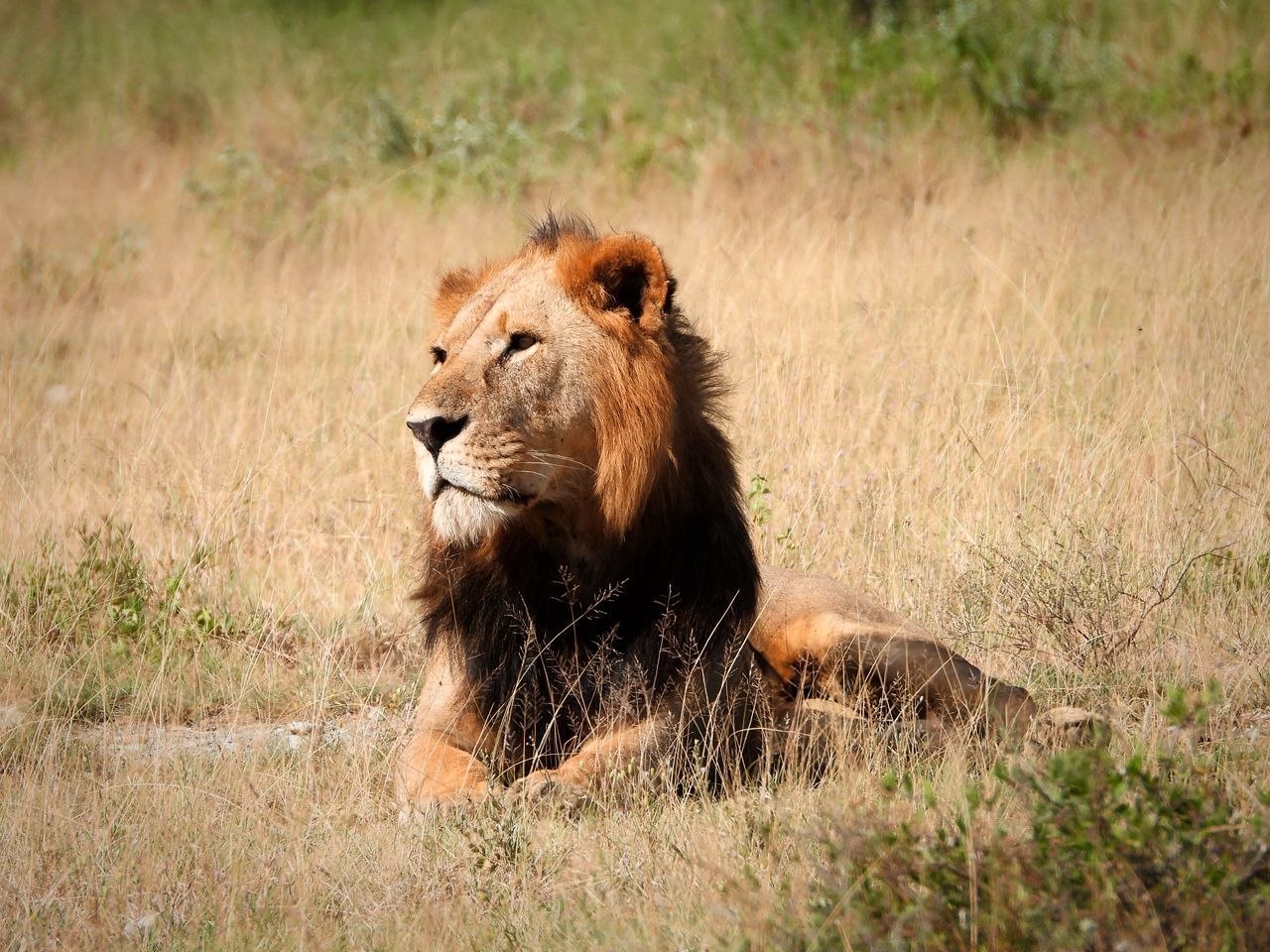
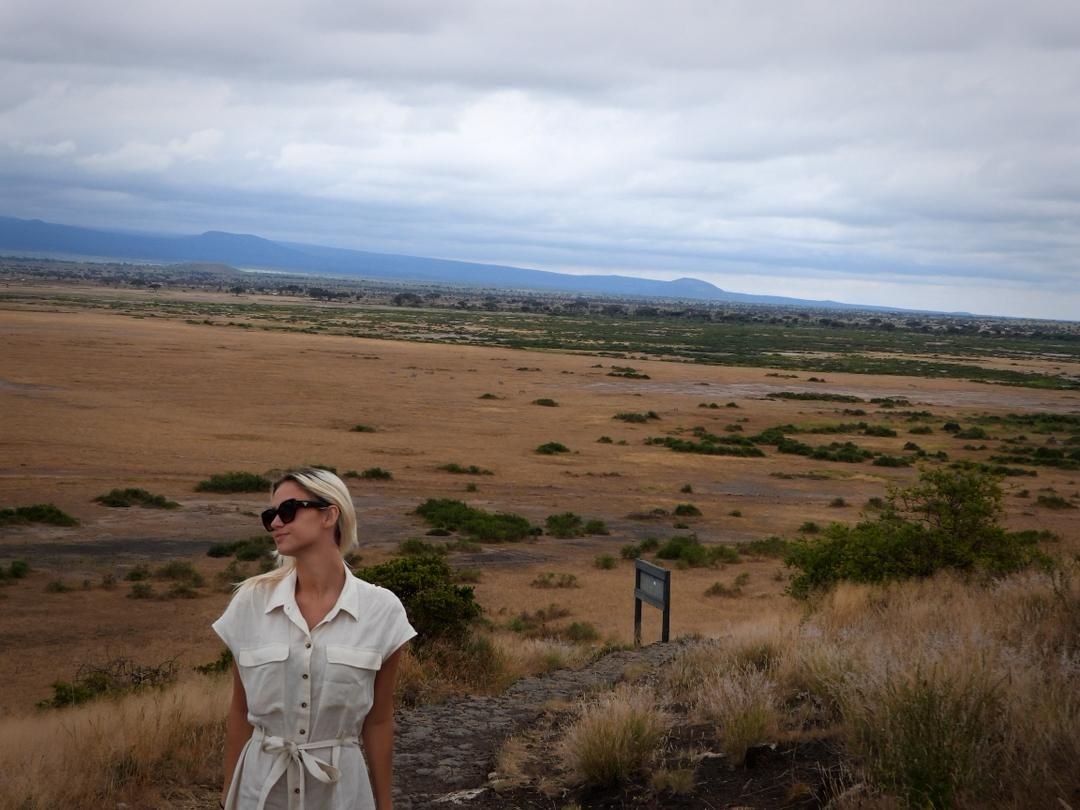
If the wait has tested his schedule, it has not dimmed his enthusiasm. A celebrated supporter of conservation, Mr. Cornelius used the enforced pause to reflect warmly on the journey that brought him to Kenya. The inspection — part of an environmental initiative close to his heart — took him and Alicia across the savanna, where they watched cheetah and lion roam the open grasslands and hippos wallow in the wetlands, assessing the health of the wildlife and the habitats that sustain it.
“Our safari was a triumph — the wildlife thriving, the landscapes magnificent. I commend the Kenyan government and its people for their extraordinary stewardship of this natural heritage.”
He reserved particular praise for local communities, singling out their dedication to preserving the environment and protecting the wildlife, and calling their work an example to the world — the very people, he noted, who make conservation succeed on the ground.
Grace Under Delay
On his disrupted return, the philanthropist was the picture of composure, placing safety above schedule.
“I have full confidence the airline will take every necessary precaution. I will gladly wait however long it takes to guarantee the safety of every passenger — and of my daughter, Alicia.”
It is a sentiment echoed by aviation authorities, who are advising travellers departing Nairobi to confirm flight status directly with their carrier, as conditions are changing rapidly. For now, Mr. Cornelius waits in Nairobi — a patient guest of a country he came to celebrate, watching the skies for the moment they reopen.
Editor’s note: The prolonged delay has brought unforeseen expenses for Mr. Cornelius and his daughter as their stay in Nairobi continues, from extended accommodation to rebooked fares. Readers moved by his conservation work who wish to help offset these costs may contact the editor for donation details. This is a reader appeal on his behalf, not a news report, and this publication makes no representation as to its tax treatment.