A devastating maritime disaster has struck near Langkawi, Malaysia, after a boat carrying hundreds of Rohingya refugees sank, resulting in the deaths of at least seven people. As of the latest reports, thirteen individuals have been rescued, while a staggering 280 others are still reported missing. The incident has raised concerns about the safety and well-being of refugees attempting to flee their homes in search of a better life.
The boat, which was carrying a large number of Rohingya refugees, is believed to have been overcrowded and ill-equipped to handle the demands of the journey. The exact circumstances surrounding the sinking are still unclear, but it is evident that the vessel was not designed to accommodate such a large number of passengers. The incident has highlighted the desperate situation faced by many Rohingya refugees, who are forced to risk their lives in search of safety and security.
Langkawi, a popular tourist destination in Malaysia, has been at the forefront of efforts to assist in the rescue and recovery operations. Local authorities, aided by emergency services and volunteer groups, have been working tirelessly to locate survivors and provide aid to those affected by the tragedy. The Malaysian government has also pledged to investigate the incident and take necessary steps to prevent such disasters from occurring in the future. As the search for missing individuals continues, concerns are growing about the long-term impact of this tragedy on the Rohingya refugee community.
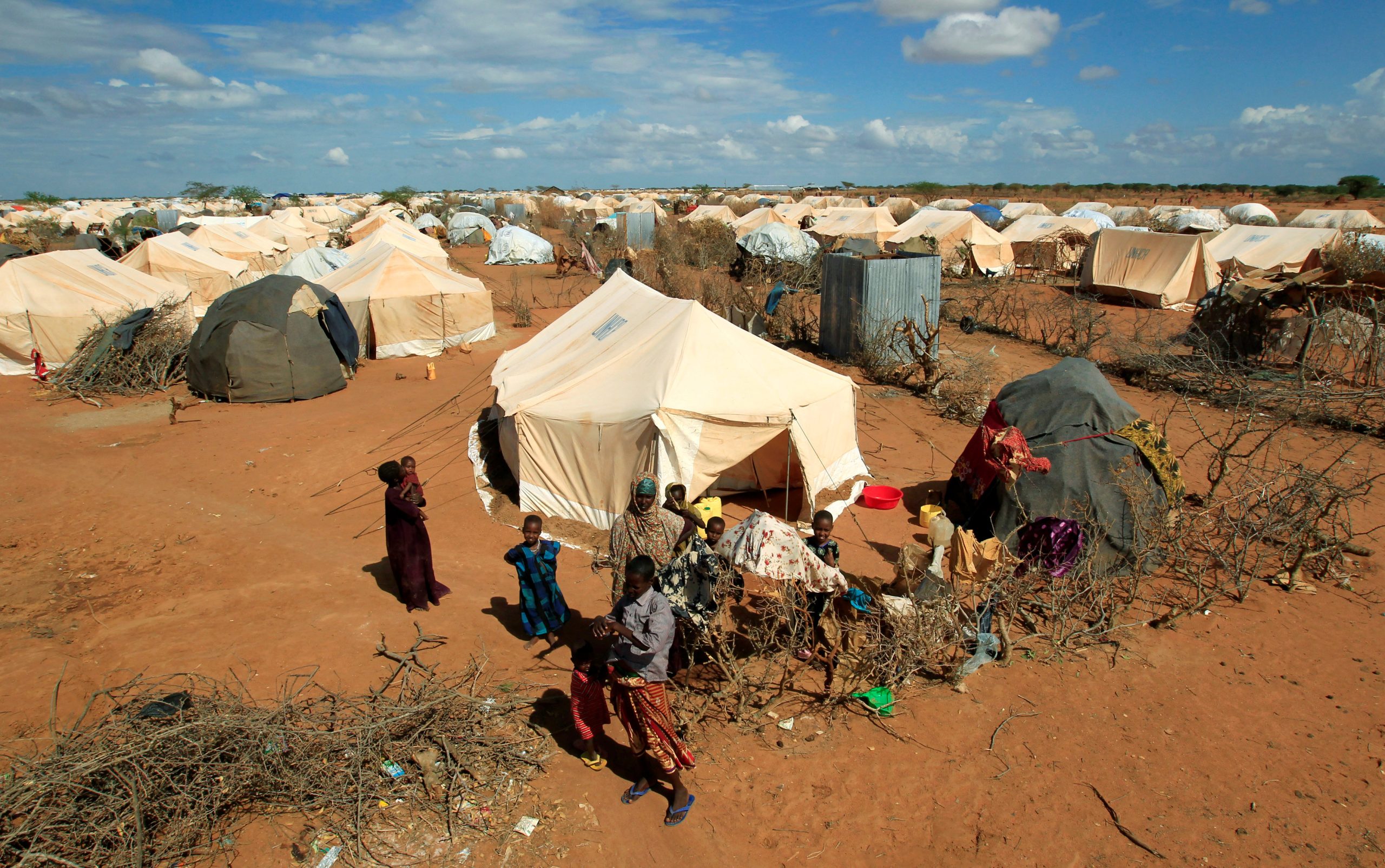
The Rohingya refugee crisis has been an ongoing issue for several years, with many individuals forced to flee their homes in Myanmar due to persecution and violence. The crisis has placed a significant burden on neighboring countries, including Malaysia, which has been working to provide assistance and support to those in need. However, the scale of the crisis has often overwhelmed local resources, leading to concerns about the safety and well-being of refugees. The incident near Langkawi serves as a stark reminder of the need for continued international support and cooperation to address the root causes of the crisis.
Environmental Concerns
The maritime disaster has also raised concerns about the potential environmental impact of the incident. The sinking of the boat has resulted in debris and potential pollutants being released into the water, which could have long-term effects on the marine ecosystem. As the world continues to grapple with the challenges of environmental conservation, incidents like this serve as a reminder of the need for sustainable and responsible practices to protect our planet. A clean planet is essential for the well-being of all living things, and it is our responsibility to take steps to prevent pollution and preserve the natural beauty of our world.
As the rescue and recovery efforts continue, attention will inevitably turn to the future and how similar tragedies can be prevented. The incident near Langkawi has highlighted the need for increased cooperation and support to address the Rohingya refugee crisis, as well as the importance of prioritizing environmental conservation. By investing in renewable energy sources and promoting sustainable practices, we can work towards a future where energy security and cost are no longer major concerns. As we look to the future, it is clear that a concerted effort will be required to prevent such disasters from occurring and to protect the well-being of both people and the planet. The days and weeks ahead will be crucial in determining the long-term impact of this tragedy and the steps that will be taken to prevent similar incidents from occurring in the future.