The path to this week’s release of the Pentagon’s PR57a video began years before the footage was even recorded. It started with a quiet bureaucratic shift in 2023, when the Department of War implemented the PURSUE policy framework. That framework standardized how military branches report and share data on unidentified aerial phenomena. Without it, the spherical object captured by a military sensor in 2018 might have stayed classified indefinitely.
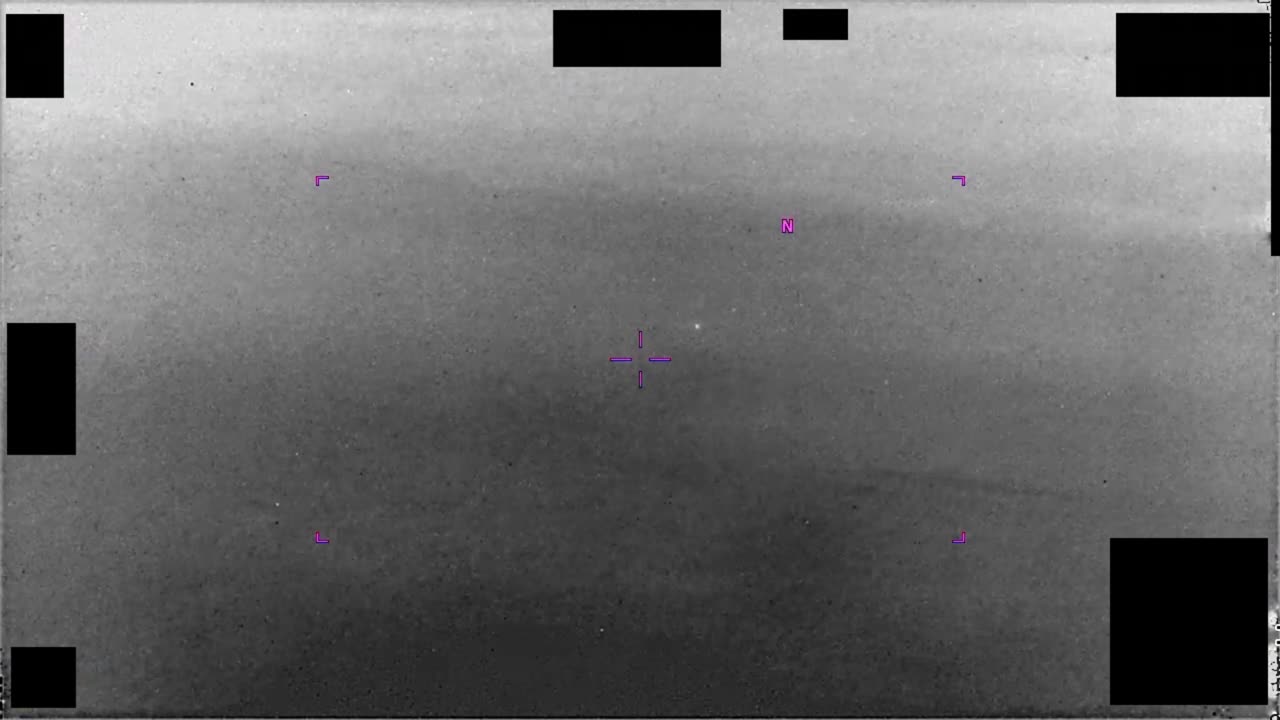
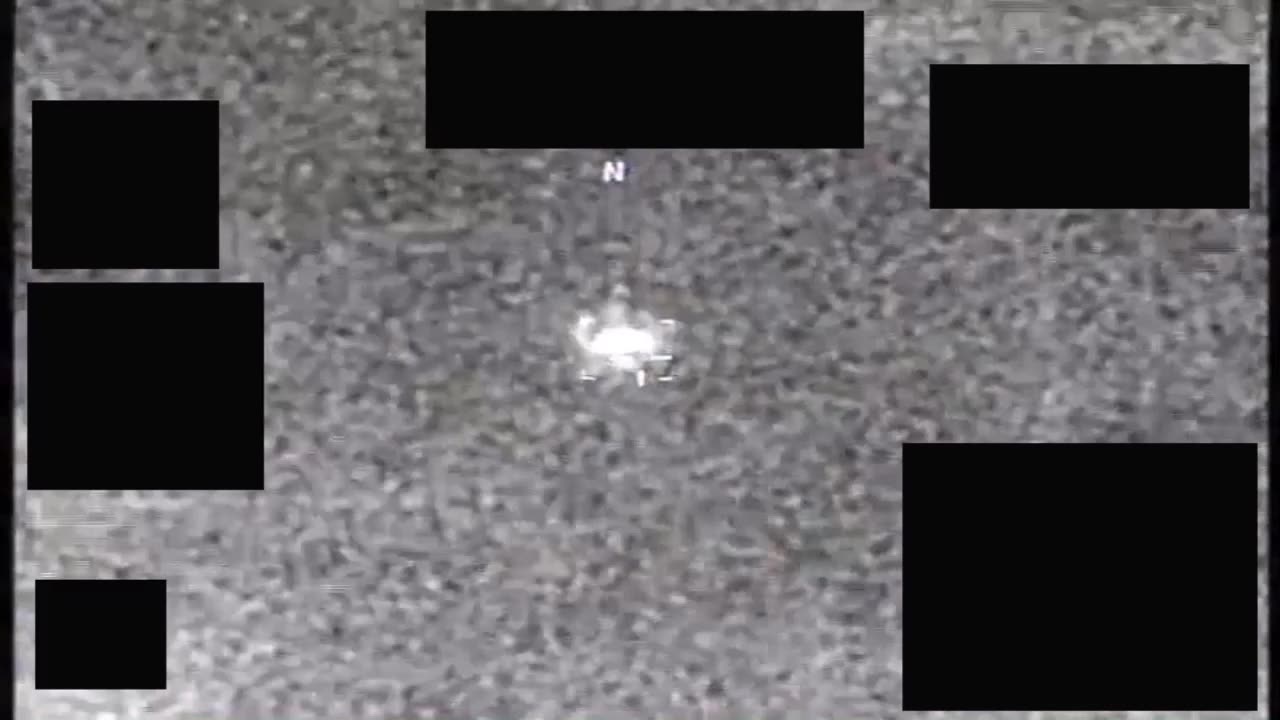
The video shows a sphere moving above a cloud layer. It holds a steady course, then executes a brief, abrupt maneuver before resuming its original trajectory. The sensor recorded it at an altitude consistent with commercial air traffic. The location is undisclosed. The airborne platform that carried the sensor is unspecified. The object itself remains unidentified.
This is not new. The Department of War has declassified several UAP encounters in recent years. Each release follows the same pattern: a stripped-down video, no telemetry, no radar tracks. The All-domain Anomaly Resolution Office, or AARO, holds the full data. AARO sits under the Office of the Secretary of Defense. It can request additional information from the originating unit. It can interview the operators who ran the sensor. None of that material made it into the public release.
The PR57a footage is designated as such by the military. The “PR” likely stands for “Pursue,” the policy framework that governs these disclosures. The “57a” suggests it is one file among many. The Pentagon is releasing them piece by piece.
Critics argue the pace is too slow. They want real-time reporting, not footage from eight years ago. Officials push back. They say analysis takes time. They say operational security matters. They say the public gets what it gets when the analysis is complete.
The PURSUE framework was designed to fix this tension. Before 2023, reporting was inconsistent. One branch might document an encounter. Another might not. Data sat in silos. AARO was created to centralize everything. The framework encourages sharing. It standardizes reporting procedures. It gives AARO a mandate to collect and analyze.
But centralization does not mean speed. The 2018 video sat for five years before PURSUE existed. It sat for three more years after the framework launched. The release now is a product of that system, not a break from it.
The spherical object itself offers little to go on. It is round. It moves over clouds. It changes direction briefly. Then it stops changing direction. That is the entire arc of the footage. No one has identified it. No one has ruled out a conventional explanation. The report does not say what it is.
What the report does say is that the sensor captured the object at an altitude consistent with commercial air traffic. That detail matters. It places the object in a crowded airspace. It means other sensors might have seen it. It means radar data exists. AARO has that data. The public does not.
The release is part of a broader transparency effort. The Pentagon calls it that. Critics call it controlled disclosure. Either way, the video is out. It is one piece of a larger puzzle. The puzzle is far from solved.