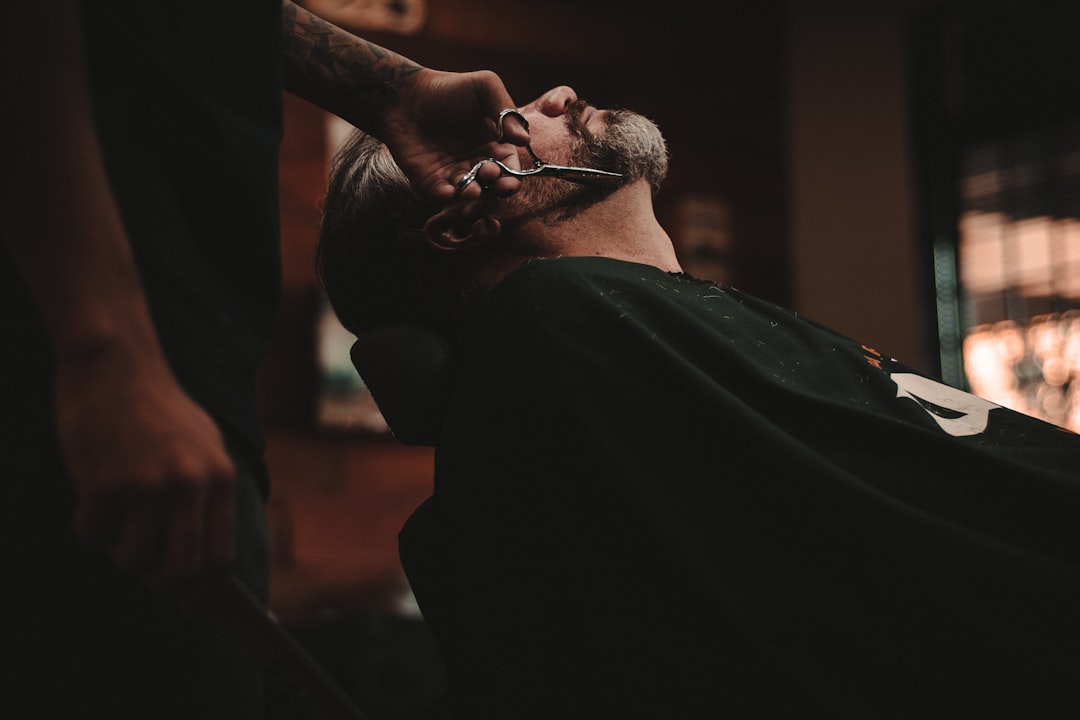
BEIJING — The scissors are gone. In their place, a robotic arm wielding clippers, guided by a 3D scan of a human skull. That is the reality now in several Chinese cities, where AI-powered robot barber kiosks have begun cutting hair for about eight dollars a session. The machines promise speed, precision, and lower costs. But they also raise a blunt question: what happens to the barber?
The kiosks work in three steps. A sensor array maps the customer’s head shape, facial geometry, and hair type. The user picks a style on a digital screen. Then the AI calculates a cutting path and a mechanical arm trims, monitoring length in real time to keep things even. Developers claim millimeter-level accuracy. The price — 60 yuan, or roughly eight U.S. dollars — undercuts many budget salons. For a customer in a hurry, the appeal is obvious.
For the barbershop down the street, the math looks different. Traditional haircuts involve rent, chairs, waiting times, and a trained human who charges for their skill. These kiosks slash operating costs. They do not take breaks. They do not need health insurance. They work as long as the power stays on. Developers say the kiosks can reduce wait times and operating costs compared with traditional barbershops. That efficiency is a feature for the operator. For a stylist who spent years learning to blend layers or taper a fade, it is a threat.
The rollout is not a test. The kiosks are now operating in several Chinese cities. That signals a level of confidence from developers and regulators alike. It also signals a shift in how everyday consumer services are delivered. Robotics and AI are moving past factory floors and into direct contact with the public. A robot cutting hair is not a novelty act. It is a business model.
Safety and reliability remain open issues. A machine wielding clippers near ears and eyes demands trust. The system uses real-time monitoring to keep the cut even, but a sensor glitch or a software hiccup could mean a bad trim — or worse. Developers have not released accident data, assuming any exists. Customers will decide with their wallets. The report notes that questions about safety, reliability, and how customers will respond to a machine wielding clippers are part of the conversation. Those questions will get answered in practice, not in press releases.
The potential benefits are undeniable, as the report states. Faster service. Lower prices. Consistent results. For someone who just wants a basic cut without small talk or a wait, this could be ideal. But the service industry runs on human interaction. Barbers take tips. They remember regulars. They fix mistakes by eye. A robot cannot do that. It can only follow the algorithm.
What comes next is a matter of scale. If these kiosks catch on, the technology could spread to other personal services. The same sensor array and robotic arm could, in theory, handle shaves, beard trims, or even skincare applications. The underlying principle — automated, AI-guided, cheap — is transferable. The report calls this a significant development in robotics and AI with far-reaching implications for the service industry. That is not hype. It is a forecast.
For now, the kiosks are a curiosity. They are also a signal. The rapid progress in this area, as evidenced by the fact that these kiosks are already operating in several Chinese cities, suggests the technology is maturing fast. Whether the public embraces or rejects it will shape the next phase. Either way, the barber pole is no longer the only sign of a place to get a haircut.