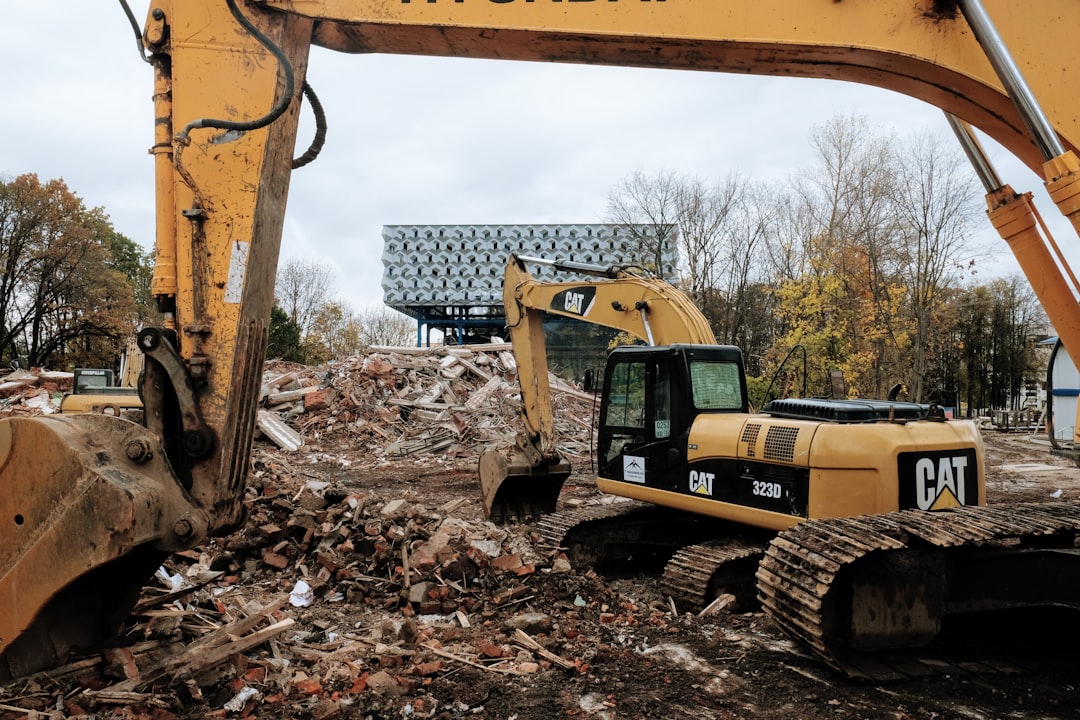
For three years, the Liddell power station’s twin chimney stacks stood silent over the New South Wales landscape, monuments to a fading industrial age. Last month, they fell. AGL Energy brought down the two structures, each roughly 5050 feet tall, using heavy machinery in a demolition that marked the physical end of a coal-fired plant that had already been dead in the ground since its initial closure announcement three years prior.
The event in Sydney was not sudden. It was the culmination of a long, deliberate withdrawal from coal power that AGL Energy has been executing as part of a broader national strategy. Australia is actively pursuing renewable energy, and the Liddell power station’s demolition is a literal collapse of that old infrastructure. The chimneys were a prominent feature of the plant, visible for miles. Now they are rubble.
This is not a single story about one demolition. It is a pattern. Coal-fired power plants across Australia are being phased out. The country is working to reduce its reliance on coal and cut carbon emissions. AGL Energy, the owner of Liddell, has been at the forefront of this transition. The company has been investing in renewable energy sources while gradually decommissioning its coal-fired power plants. Liddell is one of those. The chimneys were the last visible sign of its former function.
The demolition itself was a controlled event. Hefty machinery was brought in to ensure the stacks came down in a planned manner. It was a visual representation of a shift that has been happening slowly, incrementally, over years. The power station was decommissioned three years after its initial closure announcement. That lag speaks to the complexity of shutting down a coal plant — the legal, economic, and logistical hurdles. But the end result is the same. The stacks are gone.
Now that the chimneys have been demolished, attention turns to the site itself. The redevelopment of former coal-fired power plant sites will be an important part of Australia’s energy future. The land at Liddell, once dedicated to burning coal to generate electricity, could host new renewable energy projects. Solar panels. Wind turbines. Battery storage. The potential is there. AGL Energy has not announced specific plans for the Liddell site, but the company’s broader investment in renewables suggests the direction.
Australia’s transition away from coal has been a gradual process. The demolition of the Liddell power station’s chimney stacks is a milestone, a tangible marker of progress. The country has been actively pursuing renewable energy options, with a focus on reducing its reliance on coal. The Liddell demolition fits into that larger story. It is one plant, one site, one set of chimneys. But it represents a broader trend that is reshaping the country’s energy landscape.
The shift has been driven by a combination of factors: government policy, corporate strategy, and market forces. AGL Energy has been a key player in this transition, investing in renewable energy sources and gradually decommissioning its coal-fired power plants. The company’s efforts are part of a larger national strategy to reduce carbon emissions and promote cleaner energy sources. The Liddell power station was a part of that strategy. Now it is a part of the past.
The demolition of the chimney stacks serves as a visual representation of this shift. It is a concrete, physical event that marks the end of an era and the beginning of another. As Australia continues to move towards a more sustainable energy future, the redevelopment of former coal-fired power plant sites will be an important part of that process. The Liddell site is now a blank canvas. What gets built there will say a lot about where the country is headed.