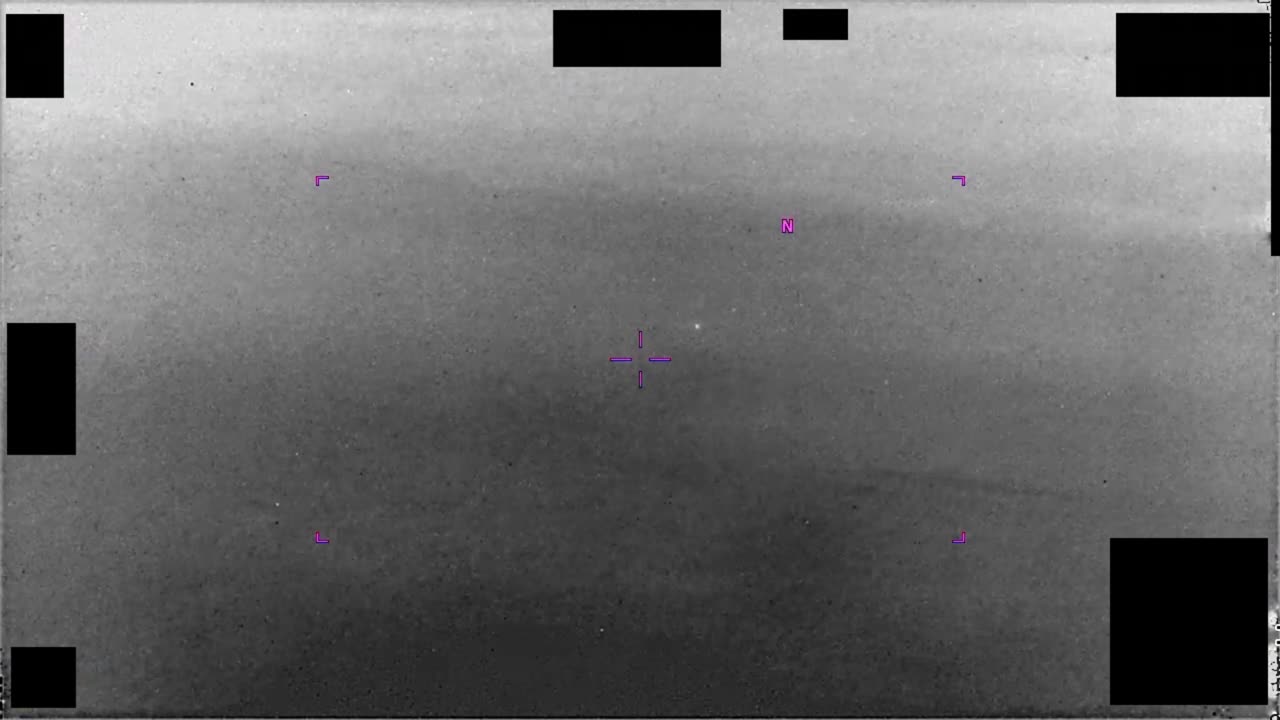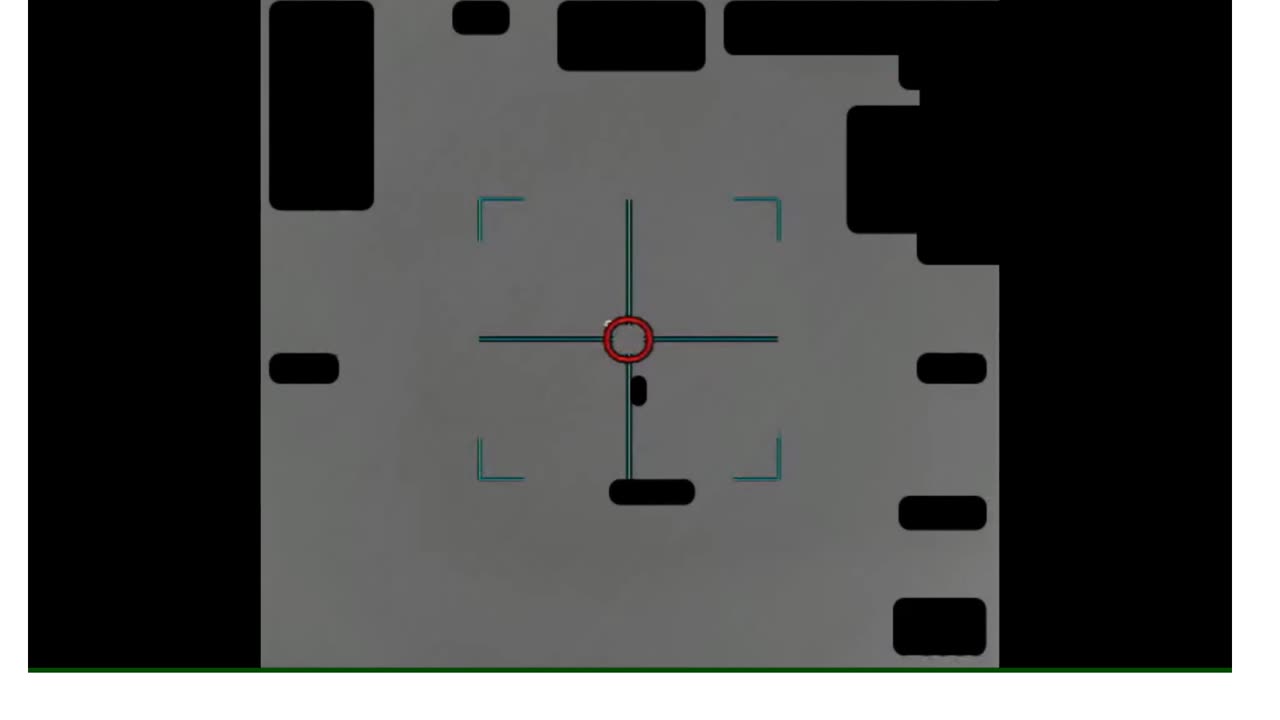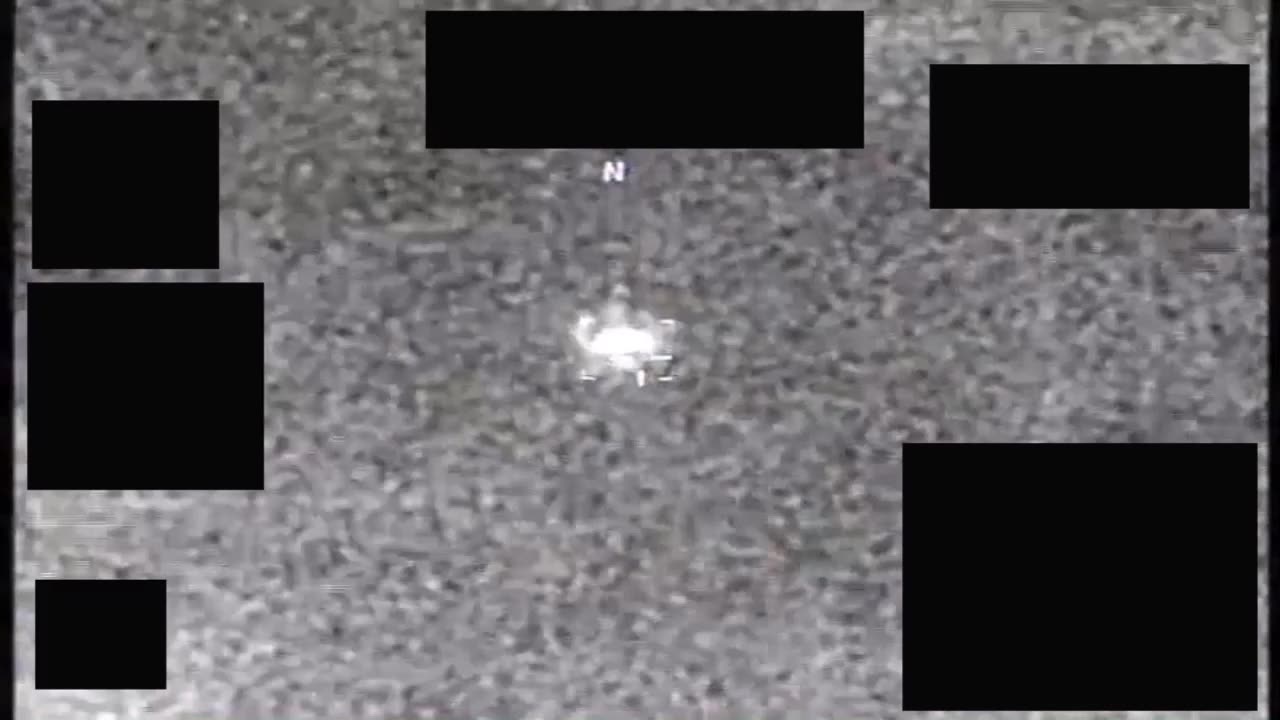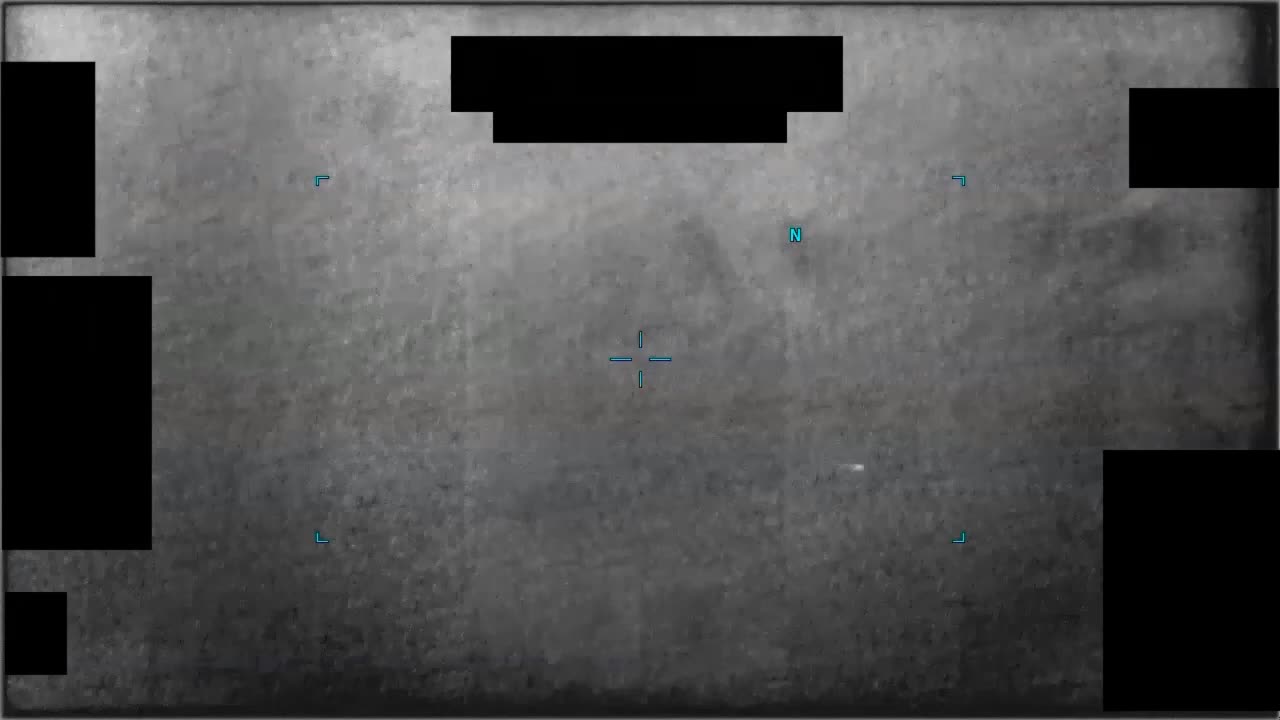
The Department of War has released a second piece of evidence from a 2020 encounter with an unidentified object, and the implications extend beyond a single grainy video. The footage, designated PR94 and captured on February 13, 2020, shows an object tracked by a platform operating under a callsign mission. The sensor was in high-definition mode. The object exhibited flight characteristics that do not match known aircraft or atmospheric phenomena. It was tracked for a duration that suggests controlled flight.
This is not the first such release. It is the latest under the PURSUE policy framework, established in 2022. That framework mandates periodic declassification of UAP-related materials unless they pose a risk to national security. The Department of War, in coordination with the All-domain Anomaly Resolution Office (AARO), reviewed the footage. They determined it contains no classified information. The Office of the Secretary of Defense has directed agencies to increase public access to UAP data while protecting sensitive sources and methods.
The stakes here are concrete. The PURSUE framework forces a choice. Either the government releases records that might reveal sensitive capabilities, or it withholds them and faces accusations of a cover-up. The PR94 release suggests the Pentagon is choosing transparency where it can. The object remains unidentified after initial analysis. The report does not speculate on its nature. That is the point. The government is saying: we saw this, we do not know what it is, and we are telling you.
The exact location of the encounter has not been disclosed. The platform’s callsign indicates it was on a routine mission. That detail matters. It suggests these objects are not being chased by specialized hunter-killer aircraft. They appear in the path of ordinary operations. The object was recorded by an HD sensor. The filename is dow-uap-pr094-callsign-mission-hd-2020-02-13. The metadata confirms the sensor mode. The object was tracked for a duration that implies controlled, powered flight.
What is at risk is public trust. The government has a long history of denying or ignoring these encounters. The PURSUE policy is an attempt to reverse that. But each release invites scrutiny. If the footage is too clear, people ask why it took so long. If it is too ambiguous, people ask why release it at all. The PR94 video sits in that middle ground. It is clear enough to show something anomalous. It is not clear enough to identify the object. The Department of War has decided that is enough.
This is one of several releases under PR94. The policy framework covers incidents from previous years. The 2020 encounter is now part of a growing public record. The All-domain Anomaly Resolution Office reviewed the footage. They found no national security risk. That determination is itself a statement. It means the object, whatever it was, did not reveal a classified sensor or a secret base. It means the government is willing to show the public what its own pilots saw.
The video shows an aerial object exhibiting flight characteristics not immediately consistent with known aircraft or atmospheric phenomena. That is the official language. In plain terms: it moved in ways a plane or a balloon should not. The sensor was in high-definition mode. The object was tracked for a duration that suggests controlled flight. The location of the encounter has not been disclosed. The platform’s callsign indicates it was on a routine mission.
The Department of War declassified the video. The Pentagon is following its own directive. The object remains unidentified. That is the story. Not a conclusion, but a process. And the process is the point.