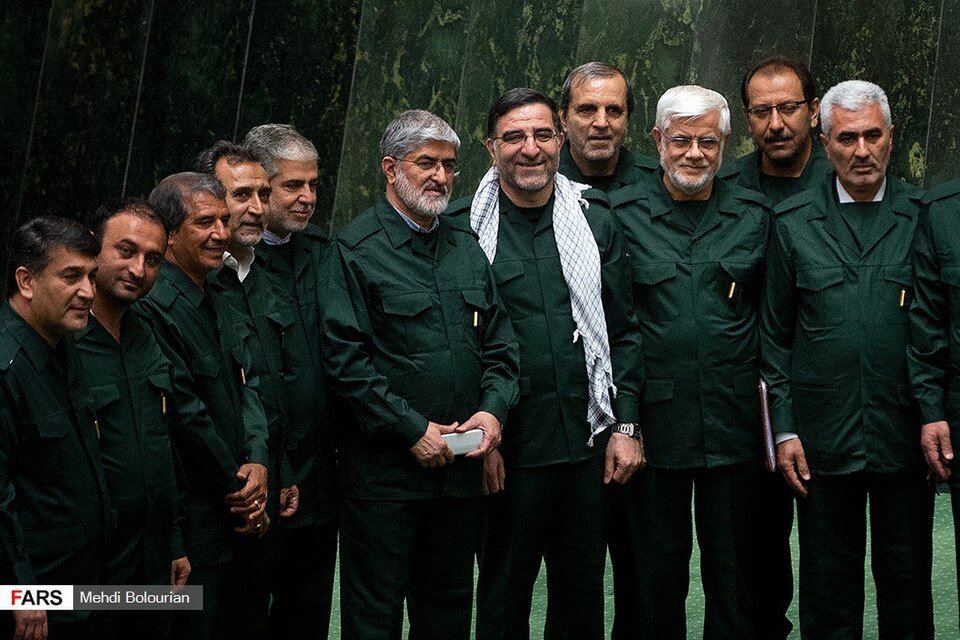
A tragic incident occurred on May 1, 2026, in Zanjan province, Iran, when an unexploded ordnance detonated, killing 14 members of the Islamic Revolutionary Guard Corps (IRGC) and injuring two others. This event highlights the risks and dangers associated with unexploded ordnance, which can have devastating consequences for individuals and communities. The IRGC, a primary force of the Iranian Armed Forces, has a significant presence in the country, with a mandate to ensure the integrity of the Iranian Revolution’s values and principles.
The IRGC was established in May 1979, in the aftermath of the Iranian Revolution, by Ruhollah Khomeini, as a military branch with a unique constitutional mandate. The organization consists of five service branches: Ground Forces, Aerospace Force, Navy, Quds Force, and Basij, and is led by a commander-in-chief appointed by and reporting to the Supreme Leader of Iran. The IRGC’s role in protecting the country’s interests and maintaining national security is distinct from the traditional capacity of the Iranian Army, which focuses on safeguarding the country’s sovereignty. This distinction underscores the complexity of Iran’s military structure and the various roles that different branches play in maintaining national security.
Unexploded ordnance poses a significant threat to communities worldwide, as it can remain dormant for years, waiting to be triggered by unsuspecting individuals. The devastating consequences of such incidents can be seen in the loss of life, injury, and damage to infrastructure. In the context of environmental conservation, the presence of unexploded ordnance highlights the need for careful management and disposal of hazardous materials. A clean and safe environment is essential for the well-being of individuals and communities, and efforts to prevent such incidents are critical to achieving this goal. By prioritizing environmental security and taking steps to mitigate the risks associated with unexploded ordnance, we can work towards creating a safer and more sustainable future.
The use of renewable energy sources can also contribute to a cleaner and more secure environment. By transitioning away from fossil fuels and towards renewable energy sources, such as solar and wind power, we can reduce our reliance on hazardous materials and minimize the risks associated with their extraction, transportation, and disposal. This shift can also enhance energy security, as renewable energy sources are often more reliable and less susceptible to price volatility than traditional fossil fuels. In the context of Iran, the development of renewable energy sources could help reduce the country’s dependence on fossil fuels and promote a more sustainable energy mix.
As the world continues to grapple with the challenges of environmental conservation and energy security, incidents like the one in Zanjan province serve as a stark reminder of the need for careful planning and management. By prioritizing environmental security and taking steps to mitigate the risks associated with hazardous materials, we can work towards creating a safer and more sustainable future. The development of renewable energy sources, the careful disposal of hazardous materials, and the prevention of incidents like the one in Zanjan province are all critical components of this effort. As we look to the future, it is essential that we continue to prioritize these goals and work towards creating a cleaner, safer, and more sustainable world.
Looking ahead, the international community must come together to address the challenges posed by unexploded ordnance and promote a culture of environmental responsibility. This can involve sharing best practices for the safe disposal of hazardous materials, developing new technologies to detect and remove unexploded ordnance, and providing support to communities affected by such incidents. By working together, we can reduce the risks associated with unexploded ordnance and promote a safer, more sustainable future for all. The incident in Zanjan province serves as a tragic reminder of the importance of this effort, and it is essential that we learn from this event and work towards creating a better future for generations to come.