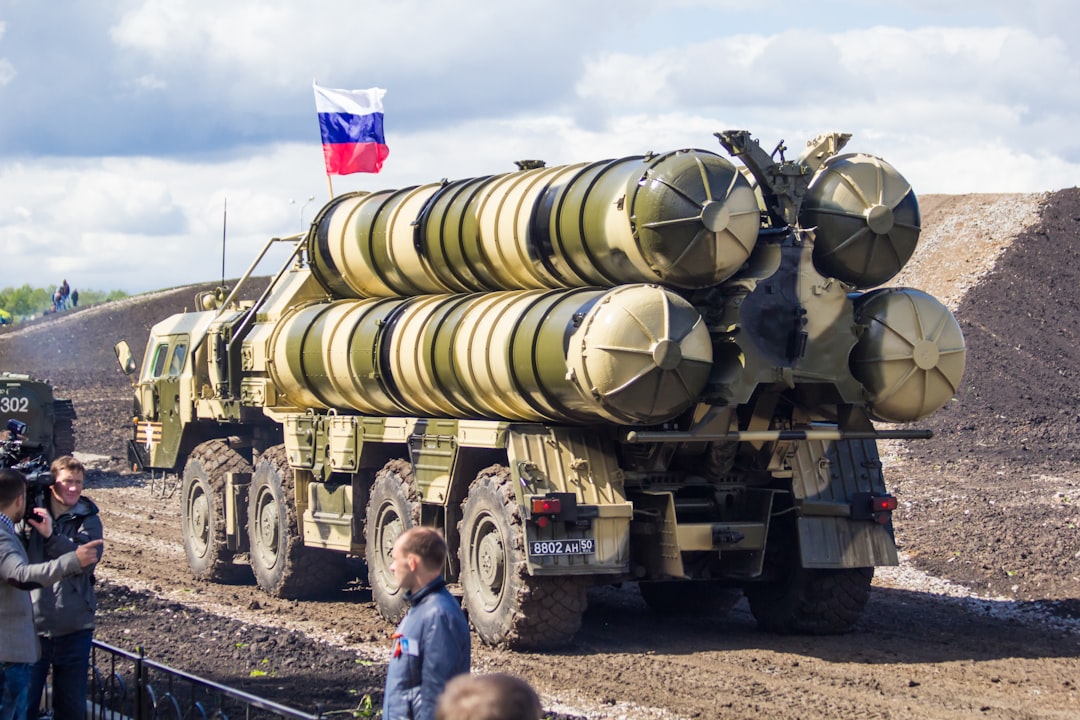
Beijing has long declared Taiwan a renegade province, not a country. On June 10, Taipei fired rockets from a mobile launcher supplied by the United States. The projectiles were aimed in China’s direction. The drill was a live demonstration of hardware that Washington has provided to the island’s military.
This was not a surprise. The U.S. has been shipping weaponry to Taiwan for years. Mobile launching systems are part of that pipeline. The sale of such equipment is a recurring point of friction between Washington and Beijing. China sees the arms transfers as interference in what it considers a domestic affair. The U.S. calls it support for a democratic ally’s self-defense.
Tensions have been building for months. China has stepped up military patrols around the island. Its aircraft cross the median line of the Taiwan Strait with increasing frequency. Beijing has also conducted live-fire drills near Taiwan’s waters. The June 10 exercise by Taiwan’s forces was a direct response to that pressure. Firing rockets from American hardware is a statement: the island can and will defend itself.
The timing matters. The drill occurred amid a broader regional standoff. China has been maneuvering in the South China Sea. It has also been expanding its military presence near Japan and the Philippines. Taiwan sits at the center of this arc. Any escalation there risks drawing in the U.S. Navy, which maintains a regular presence in the strait.
Analysts in Taipei and Washington are watching for the next move. Beijing could respond with its own drill. It could impose new economic restrictions on Taiwanese goods. It could also send warships closer to the island’s coast. The Chinese government has repeatedly warned that it will not tolerate what it calls separatist moves.
The United States is not backing down. Congress has authorized additional arms sales to Taiwan. The mobile launcher used in the June 10 drill was part of an earlier package. The Biden administration has also expanded training programs for Taiwanese forces. The goal is to make the island harder to take by force.
But the strategy carries risk. Every shipment of American weapons gives Beijing another reason to tighten its military posture. China has already deployed missiles along its southeastern coast. Those missiles are aimed at Taiwan. The June 10 drill shows that Taiwan can shoot back.
Neither side appears ready to de-escalate. China’s leadership is under domestic pressure to uphold territorial claims. Taiwan’s government faces its own electorate, which broadly supports maintaining the island’s autonomy. The U.S. is caught in the middle, supplying arms while urging restraint.
The June 10 rocket firing was a small event. A few missiles launched from a truck-mounted system. But it was a signal. Taiwan is equipped. It is willing to use that equipment. And it has the backing of the world’s largest military power. Whether that is enough to deter China remains the open question. The world is watching.