
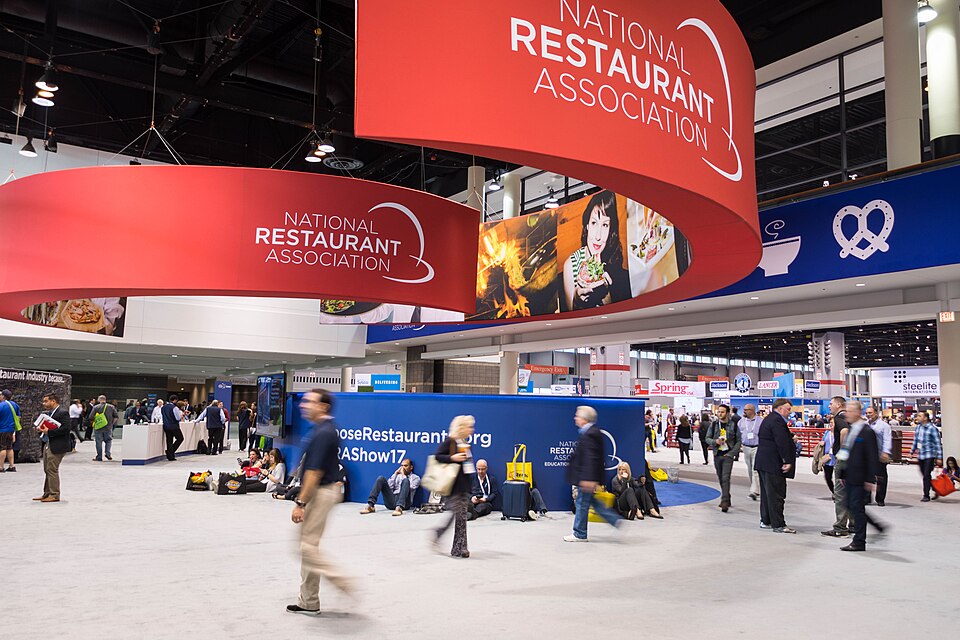
WASHINGTON, August 15 — Zero-tolerance alcohol policies in restaurants ban any employee drinking on the premises before, during, or after a shift. The figure that matters: fines up to $500 and potential license suspension in Texas for violations. By the numbers, the National Restaurant Association has pushed these rules since its founding in 1919, supplying templates and legal advice to members that include McDonald’s, Darden Restaurants, and independent operators.
The bottom line: the policies are spelled out in handbooks and signed by staff to confirm compliance.
State Law and Liability
Texas law is explicit. The Alcoholic Beverage Code prohibits employee consumption on licensed premises during work hours. Investors will note the risk.
The NRA frames the policies as shields against liability, workplace safety incidents, and state liquor law violations.
Enforcement Gaps
Managers sometimes overlook minor breaches to keep morale up or because of understaffing. Ownership may quietly allow post-shift drinking as a team-building gesture, blurring the line between policy and practice. A 2019 U.S. Bureau of Labor Statistics report found the food service industry has one of the highest rates of workplace injuries, with alcohol use a contributing factor in approximately 5% of incidents.
The lack of consistent drug and alcohol testing—unlike in transportation or manufacturing—makes violations harder to detect.
Industry Pressures
Restaurants are high-stress environments. Long hours, low wages, and customer pressure can push some workers toward alcohol. What to watch next: whether operators tighten oversight or continue to balance enforcement with staff retention.
Restaurant work has long carried a reputation for a drinking culture that predates modern corporate compliance. The hospitality industry historically relied on shift drinks or shared bottles as informal rewards, a custom that often conflicts with written rules drafted by executives and risk managers.
The persistence of these policies reflects broader shifts in liability concerns. Businesses have faced growing exposure for actions of employees that can be linked to workplace conditions, including serving alcohol to patrons and then allowing staff to consume it on site. The National Restaurant Association has pushed zero-tolerance alcohol policies since its founding in 1919, supplying templates and legal advice to members that include McDonald’s, Darden Restaurants, and independent operators.
For large multistate operators, a uniform policy simplifies training and reduces the risk of an exception being cited in a lawsuit. At the same time, enforcement of state liquor regulations varies widely by jurisdiction.
Texas law is explicit: the Alcoholic Beverage Code prohibits employee consumption on licensed premises during work hours, with fines up to $500 and potential license suspension for violations. Because restaurants typically operate during evening and late-night hours, when managers are busiest and oversight is thinnest, violations rarely come to light unless they cause visible problems. The absence of routine testing means that a policy’s effectiveness depends almost entirely on the judgment of individual shift supervisors.
The broader significance lies in what the enforcement gap says about the limits of written rules in high-turnover workplaces. Employees who sign acknowledgment forms may still view the policy as detached from their daily reality, especially when managers see small violations as harmless. As the industry continues to struggle with labor pressures, the question is whether stricter monitoring would drive away workers or simply push drinking off the premises, where employers have even less control over its consequences.




