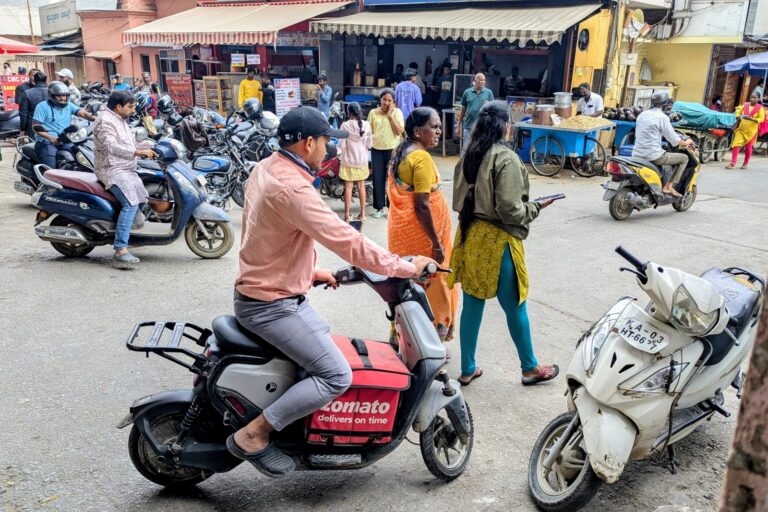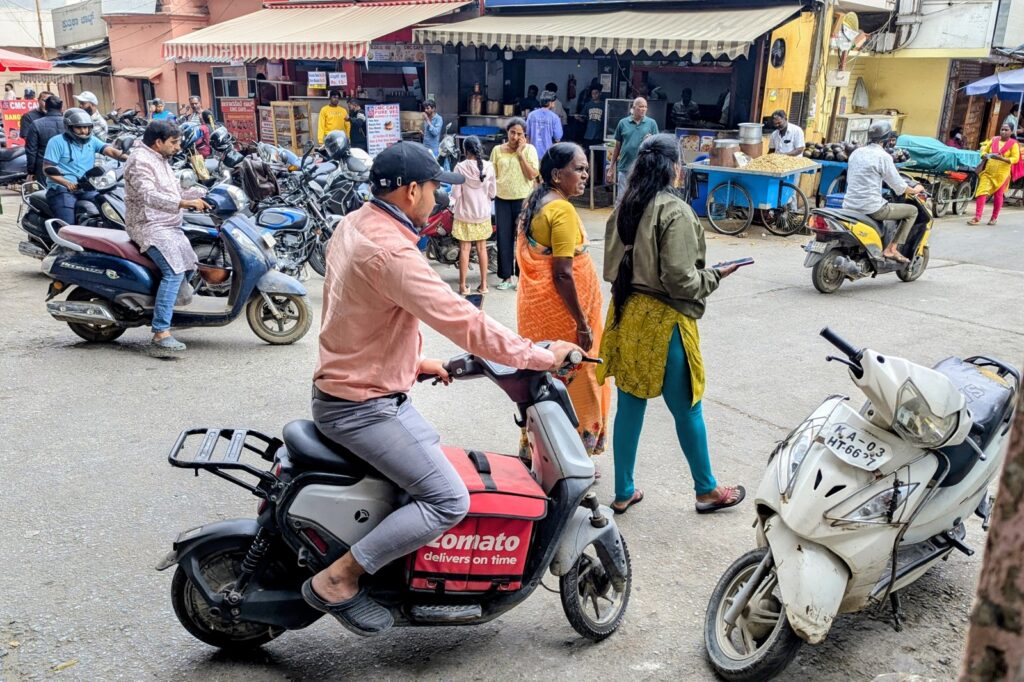
A Zomato delivery agent with a physical disability climbed two flights of stairs to deliver a Rs 50 packet of Maggi, only to find the order cancelled at the customer’s doorstep. The incident, captured in a video that has drawn more than 26 million views, has thrown a spotlight on how the platform’s automated systems handle cancellations when a rider’s physical limitations meet a customer’s refusal to collect an order.
The Story Begins on a Staircase
The rider, who operates the Instagram account @handicapzomatorider, said he called the customer before attempting the delivery. He explained that the building had no lift and his disability made climbing difficult. According to his account, the customer responded by asking if they were expected to come downstairs for a Rs 50 packet of Maggi. The rider climbed anyway. When he reached the door, the app showed the order cancelled. He later posted a screenshot of the cancellation notice alongside the footage of his climb. “Customer ke ghar tak parcel leke gaya; customer ne order cancel kar Diya,” he wrote in the caption.
Platform Mechanics and the Cancellation Gap
The video reveals a friction between the platform’s promise of doorstep delivery and the reality of its cancellation policy. The rider said Zomato’s system typically informs customers when a delivery partner has a disability and asks them to confirm if they can collect the order from downstairs. In this case, that safeguard appears to have failed or been overridden. The rider also noted he could not hand the order to a third party to complete the final stairs; doing so risks a customer complaint for allowing an unauthorised person to handle the food. The algorithm assigns deliveries without a mechanism to factor in a rider’s physical constraints at the point of acceptance, leaving the worker to absorb the cost of a cancelled trip.
Regulatory Context and the Gig Economy Gap
In October 2025, India’s Ministry of Labour tied up with Zomato to boost employment opportunities and strengthen the gig economy. The partnership aimed to formalise protections for a workforce that powers food delivery across more than 800 Indian cities. Yet the incident highlights a persistent gap: platform policies treat riders as interchangeable units of labour, while disabled workers navigate stairs, inaccessible buildings, and cancellation penalties that do not account for their effort. Social media reaction was swift. One user wrote, “It just breaks my heart how people can be so insensitive and prioritise monetary power over humanity.” Another praised the rider’s determination: “Handicap aap nahi vo hai, I’m so proud of you sir.”
Corporate Response and Accessibility Features
Zomato, owned by Eternal Limited since its founding in 2008 by Deepinder Goyal and Pankaj Chaddah, has not issued a public statement specific to this incident as of the video’s release on October 31, 2026. The company’s recent product focus has centred on consumer-facing features such as “Mehmaan Mode,” a price-masking toggle for group orders rolled out in late October 2026 after a LinkedIn user suggested it. Eternal also operates the quick commerce platform Blinkit and the events service District. Goyal, awarded EY Entrepreneur of the Year in 2025, has separately been developing Temple, a health-tech wearable. The viral video, however, has forced a conversation the platform’s roadmap has not yet addressed: whether accessibility features for the workforce will receive the same iteration speed as those for the customer.
Sources
- Zomato
- Zomato founder Deepinder Goyal shares an update on Temple device, writes âWe are now taking pre-orders from everyone who signed up â¦â
- Zomato features: Zomato to roll out price-masking âMehmaan Modeâ for group orders after LinkedIn userâs suggestion – The Economic Times
- Zomato to roll out price-masking ‘Mehmaan Mode’ for group orders after LinkedIn user’s suggestion
- Specially Abled Zomato Delivery Agent Climbs Stairs To Deliver Order, Customer Cancels It At Doorstep; Video Goes Viral
- Zomato Rider Climbs To 2nd Floor Despite Disability, Customer Cancels Order At Doorstep; Internet Outraged
Photo: SerChevalerie (CC0)