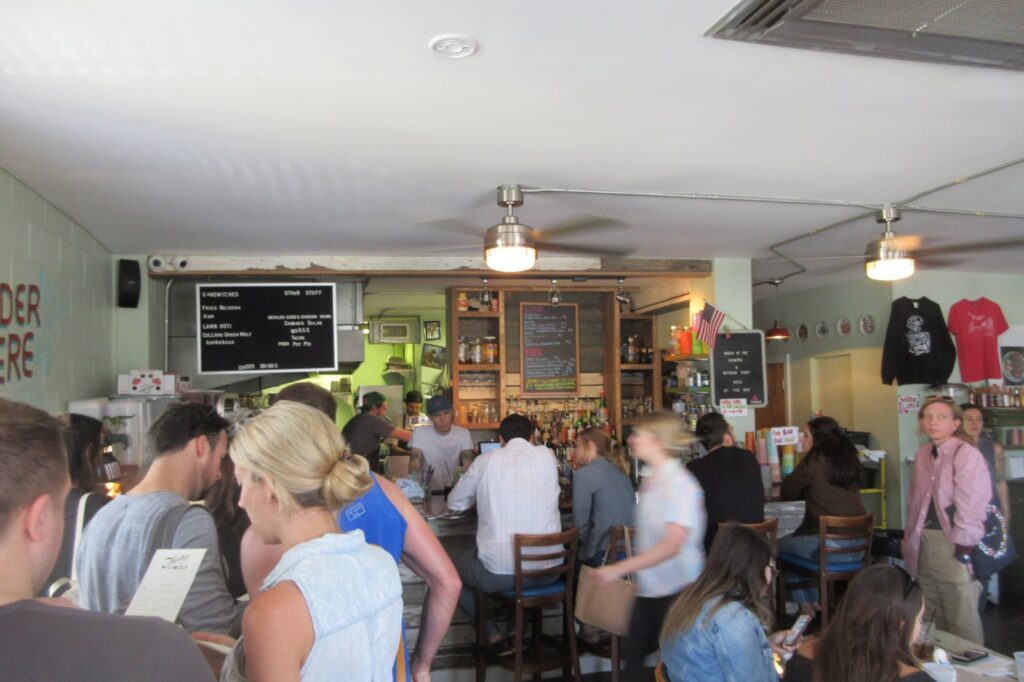
The story begins in a dining room where the check arrives higher than last month, and the month before that, yet the restaurant is no fuller than it was a year ago. October marked the ninth consecutive month of nominal sales growth for U.S. eating and drinking places, the longest such streak of the post-pandemic recovery, according to the National Restaurant Association. Sales ran 7.0% above year-ago levels, the strongest 12-month gain since 2023. But the numbers that diners feel in their wallets tell a different story: the increase was driven entirely by higher menu prices, and inflation-adjusted sales fell 0.3% in October.
The Streak and the Mirage
At its heart, the divergence is simple. The Consumer Price Index for Food Away from Home rose 0.5% in October alone. When that increase is stripped out, real restaurant sales dipped, even as nominal receipts kept climbing. For those involved — the server counting tips, the owner watching food costs, the couple deciding whether to order dessert — the streak feels less like a boom and more like a tax on the same habits. Yet the longer view offers a counterpoint. Between October 2025 and October 2026, real sales rose 3.2%, matching the strongest 12-month real gain in nearly four years. The industry is growing, but the growth is being eaten by inflation month to month.
Jobs, Savings, and the Squeeze
What unfolded in the labor market explains why diners keep showing up. The U.S. economy added more than 400,000 jobs in the last three months, giving households the financial wherewithal to sustain discretionary spending. But wages have not kept up with prices in recent months, leading many consumers to dip into savings to support their restaurant visits. The recent drop in the stock market adds a downside risk, particularly for higher-income households that continue to drive much of the spending growth. Gasoline prices have trended downward, offering some relief if the trend holds, but the wage-price gap remains the quiet force reshaping how often people eat out and what they order when they do.
From Thermopolia to Table Service
The restaurant itself is an old idea. The word derives from the French restaurer, meaning to restore to a former state, and archaeological evidence from Lagash, Iraq, dated to approximately 2700 BCE, reveals a public food establishment serving everyday people with benches, an oven, and standardized bowls. In Ancient Greece and Rome, thermopolia functioned as forerunners to modern fast-food restaurants, serving ready-to-eat meals to those without private kitchens. Today, the definition spans from those quick-service counters to luxury establishments, but the economic pressure hits the whole spectrum. A restaurant is a business that prepares and serves food and beverages, and in October, that business model ran into a 0.5% monthly jump in input costs passed straight to the menu.
New Concepts, Old Pressures
Even as the macroeconomic picture tightens, new doors open. Roux Brasserie opened in Summit, New Jersey, on November 12, replacing an Italian bistro with a French concept led by Chef Cedric Gayon, formerly of Eleven Madison Park. In New York, Iara, a new Amazonian-Brazilian restaurant, features ingredients like cupuaçu, tonka bean, and cassava, showcasing a culinary culture rarely seen in the U.S. outside of churrascarias. These openings reflect the industry’s restless creativity, but they also launch into an environment where every plate costs more to produce and every diner calculates the bill a little more carefully. The streak continues, but the real test is whether the next nine months can turn nominal gains into real ones.
Sources
- Restaurant
- A Brazilian Restaurant Showcases the Ingredients of the Amazon
- Total restaurant industry sales
- Summit just got a new French restaurant led by an impressive chef
Photo: Infrogmation of New Orleans (CC BY-SA 4.0)