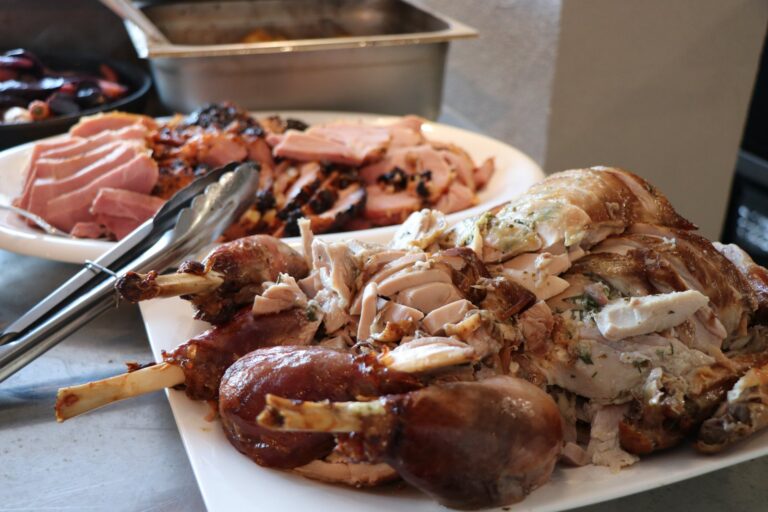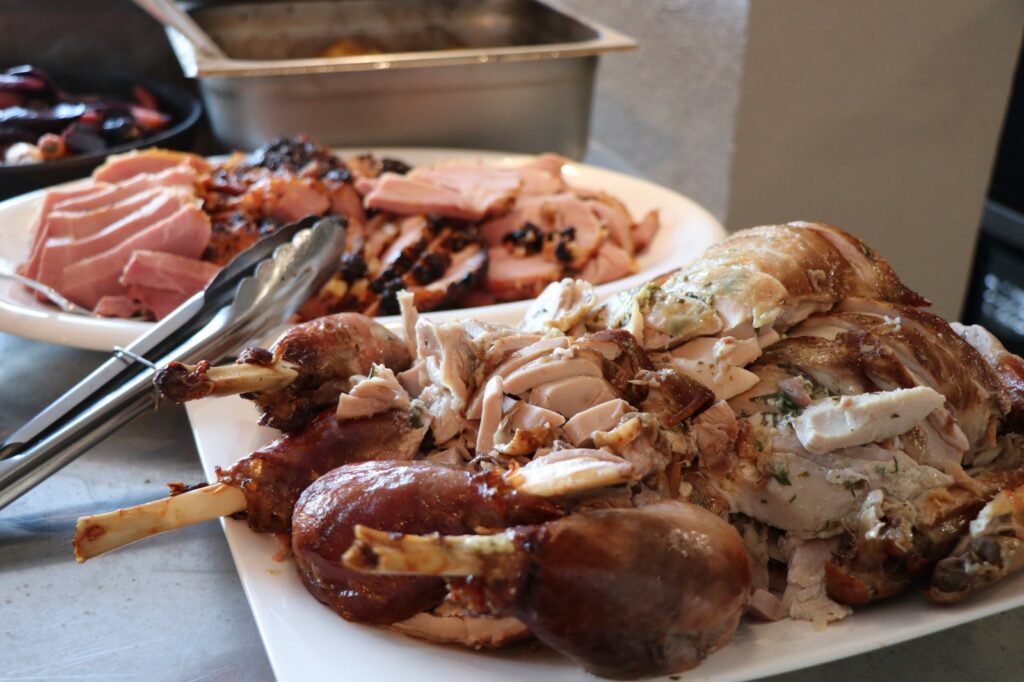
The average Thanksgiving dinner now costs $68, but strategic grocery shopping can cut that bill nearly in half. The holiday, rooted in centuries of harvest tradition, has become a test of household budgeting as much as gratitude.
From Harvest Festival to National Holiday
Thanksgiving began as a day of giving thanks for the blessings of the harvest and the preceding year. The tradition traces to English customs dating from the Protestant Reformation, when Puritans replaced Church holidays with specially called Days of Fasting and Days of Thanksgiving in response to events they viewed as acts of providence. In North America, the first documented annual thanksgiving occurred in 1619 at Berkeley Hundred, Virginia, where settlers’ charter required the arrival day be kept holy as a day of thanksgiving to Almighty God. The more familiar 1621 Plymouth harvest feast, shared with the Wampanoag, was not described as a thanksgiving at the time and was largely forgotten for centuries before being retroactively labeled the “first Thanksgiving” in an 1841 book.
In Canada, late autumn Thanksgiving celebrations became commonplace as settlers arrived in Nova Scotia from New England after 1700. The Canadian Parliament formalized the modern holiday on 31 January 1957, proclaiming “A Day of General Thanksgiving to Almighty God for the bountiful harvest with which Canada has been blessed,” observed on the second Monday in October. Various similarly named harvest festival holidays occur throughout the world during autumn, and prayers of thanks and special thanksgiving ceremonies remain common among most religions after harvests.
How to Halve the Bill
The calculus of holiday spending shifts when shoppers treat the grocery store as a strategic environment. The most effective approach combines advance planning with store-specific discount cycles. Generic brands on staples — flour, sugar, canned vegetables, broth — deliver identical results at a fraction of name-brand pricing. Frozen turkeys purchased weeks ahead avoid the premium attached to fresh birds in the final days. Store loyalty apps now load digital coupons automatically, stacking with weekly circular sales on butter, cream, and baking ingredients. The broader stakes appear in the produce aisle: sweet potatoes, onions, and carrots hold for weeks when bought early, while last-minute purchases of herbs and greens capture freshness without waste.
The Numbers Behind the Savings
Applying the core strategies — generic staples, early frozen turkey, stacked digital coupons, and timed produce buying — typically reduces the total to the $35-$40 range. The savings compound when hosts coordinate potluck contributions for sides and desserts, shifting the protein burden to the host while guests cover lower-cost items.
What This Signals for 2026 Shoppers
The holiday’s evolution from religious observance to secular feast means the modern celebration centers on the table rather than the church calendar. That shift places the grocery bill at the center of household planning. Shoppers who map their list against the store’s promotional calendar six weeks out, buy the turkey frozen in October, and execute the shop in two trips — one for shelf-stable goods during a sale cycle, one for perishables two days before — consistently achieve the 50 percent reduction. The harvest festival origins remind us the meal was always about managing abundance; the modern version simply requires managing the checkout total with the same discipline.
Sources
Photo: U.S. Consulate General Perth (Public domain)