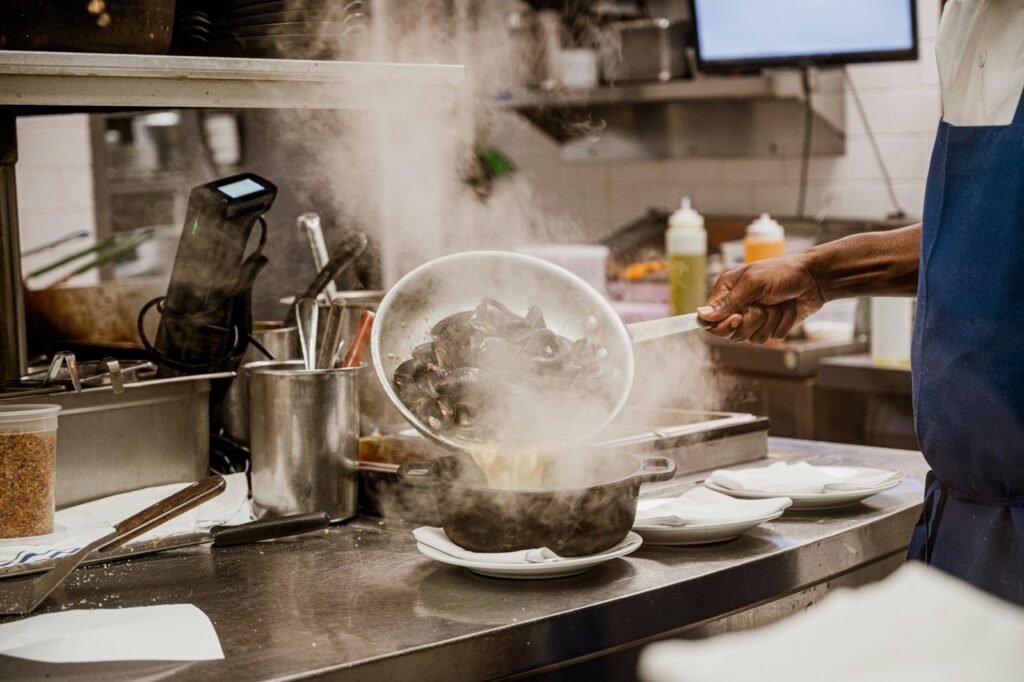
The story begins with a burger, cut in half and laid face-down in a pool of sauce so deep the bun disappears. Arden Shore of The Infatuation calls it “drowning,” and she says it is coming for menus across the United States in 2027. Right beside it on the forecast: whole chickens carved tableside for two, salads rebranded as “lettuces,” and a dining public that searches for “vibey dinner spots” 1,300 percent more often than it did a year ago.
The Sauce and the Bird
Shore’s dispatch from the JPMorgan Chase-owned review site reads less like a trend report and more like a scene setter. “We’re talking cut in half, face-down, call-the-lifeguard drowning in sauce,” she writes of the burger evolution. Cheese-flooded patties are spreading, too. The logic is tactile: a meal you eat with your hands, unapologetically messy, shared across a table. That same energy drives what Shore has dubbed “sexy chicken” — restaurants where a date night means wrestling a whole or half bird together, “hands-on, carnal teamwork” with ample sides. Rising beef prices, noted in the same report, give the shift toward poultry a practical tailwind.
When a Salad Becomes ‘Lettuces’
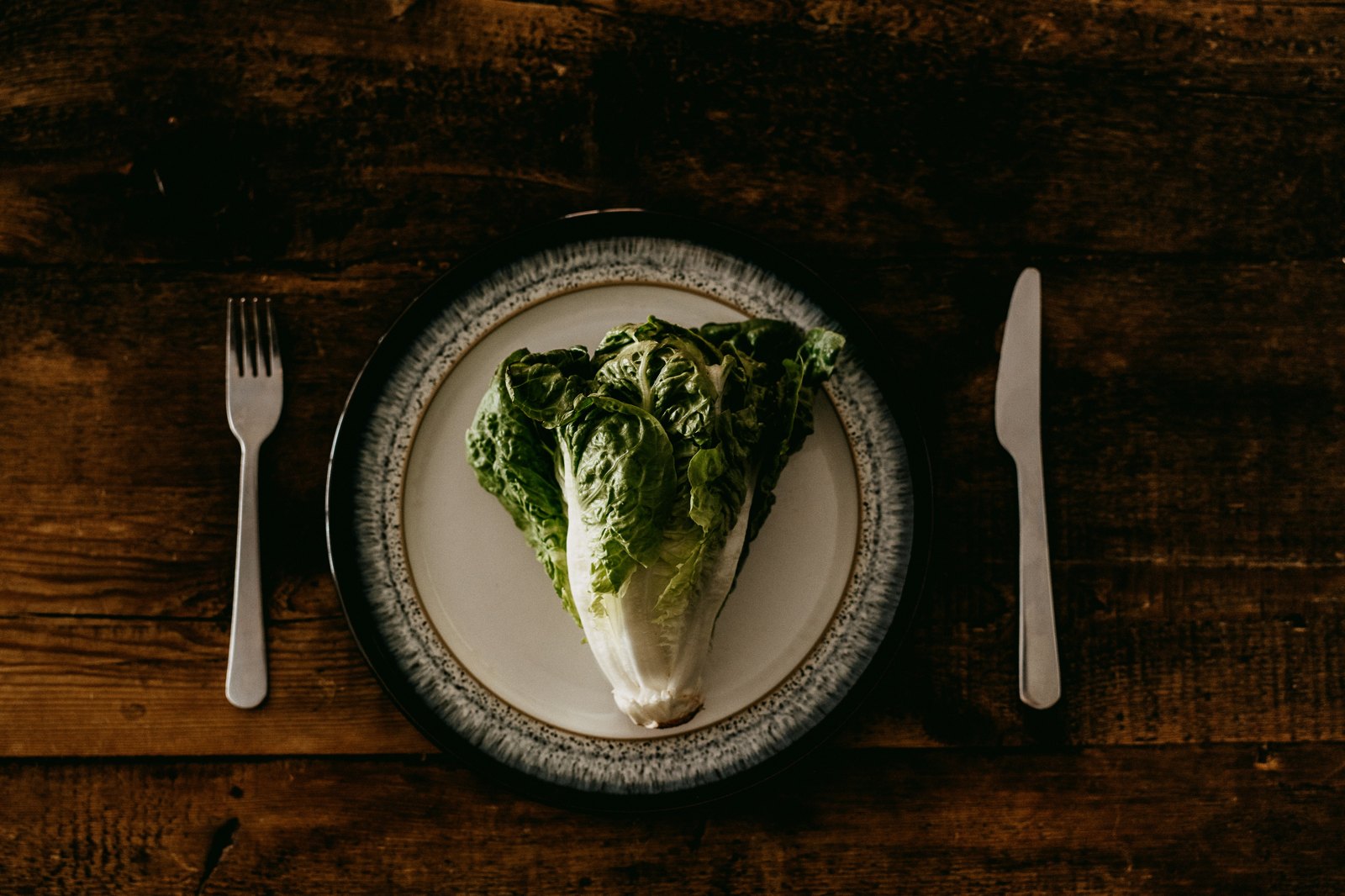
At its heart, the menu language is shifting to flatter the diner. Shore noticed restaurants listing salads simply as “lettuces.” The term, she argues, does not describe the dish so much as distinguish the person ordering it — signaling a niche cheese, a specific vinaigrette, an identity. It might also “soften the blow of spending $200 on dinner for two.” The same performative logic appears in the spread of Erewhon-style luxury grocers: a smoothie counter, a merch wall, produce staged for mood. Shore writes that they “feel like they came from outer space/LA give people a taste of a ‘clean’ luxury lifestyle even if they can’t afford the rest of it.”
The Human Code
The Specialty Food Association puts a broader frame around the same instincts. Its 2027 forecast names four pillars: Instant Elevation, Honest Fueling, Vanity Fare, and Human‑Coded. Senior vice president Leana Salamah says consumers want “real food” that offers “elevation without blowing budgets, ritual without complexity, and ingredient lists that don’t require food science degrees to understand.” The data behind it: grocery prices up 29 percent since 2020, a generation raised on restaurant culture and TikTok still expecting excitement, and a growing allergy to clinical labels — twenty grams of protein in a toaster pastry, prebiotic fiber in a soda — that now read as warning signs.
The Me‑Me‑Me Economy
Yum! Brands, watching its global portfolio from KFC to Taco Bell, calls it the “Me‑Me‑Me Economy.” The 2026 Food Trends Report, built with the company’s internal Collider Lab, finds solo orders up 52 percent since 2021, now making up 47 percent of quick‑service occasions compared with 31 percent four years ago. Solo diners are not necessarily spending less: 68 percent skip the deal, and more than half spend $10 to $30 a visit. Personal‑size pizzas are outperforming among Gen Z and Millennials. The shift presses restaurants to rethink bundle‑first menus and build for customization, smaller portions, and the solo guest who wants agency over the plate.
Vibe Dining and Bakery Tourism
Yelp’s 2027 Food & Drink Forecast, drawn from year‑over‑year search data, puts numbers to the atmosphere. Searches for “vibey dinner spots” surged 1,300 percent, with speakeasy lounges, candlelit rooms, and one‑of‑a‑kind experiential concepts leading the way. Bakery tourism is rising faster than biscuits in a hot oven: searches for “hot and new bakeries” jumped 359 percent, fueled by cardamom buns, kouign‑amann, cube croissants, and lines around the block from New York to San Francisco. Frozen Greek yogurt with protein‑rich toppings — pistachio cream, dried figs, olive oil, halva — saw search interest climb 295 percent; concepts like Mimi’s and Myka are expanding in New York City. Pop‑up searches rose 62 percent, turning hype into limited‑time access. Value shows up in two directions: big‑portion searches up 467 percent, small‑bites searches up 291 percent. High‑protein interest remains strong at +342 percent, while high‑fiber meals are catching up at +160 percent.
What the Slowdown Hid
Overall restaurant sales slowed in 2025, according to Technomic Top 500 data cited by the Specialty Food Association. But chicken‑focused concepts and coffee and beverage segments thrived, hinting at the protein and occasion shifts that now shape the 2027 outlook. For those involved, the signal is clear: the diner wants a human touch, a visible sauce, a chair that feels like a choice, and a menu that speaks plainly — even when it calls a salad “lettuces.”
Sources
- The World's 50 Best Restaurants
- Drowning Burgers and Sexy Chicken: Dining Expert Predicts the Hottest 2027 Restaurant Trends
- Food Prices and Spending
- Specialty Food Association Unveils 2027 Trends Forecast
- Yum! Brands identifies three food trends shaping the future of dining in 2026
- Yelp reveals trends that will rise to the top in 2027
Photo: Stella He / Unsplash (Unsplash License)