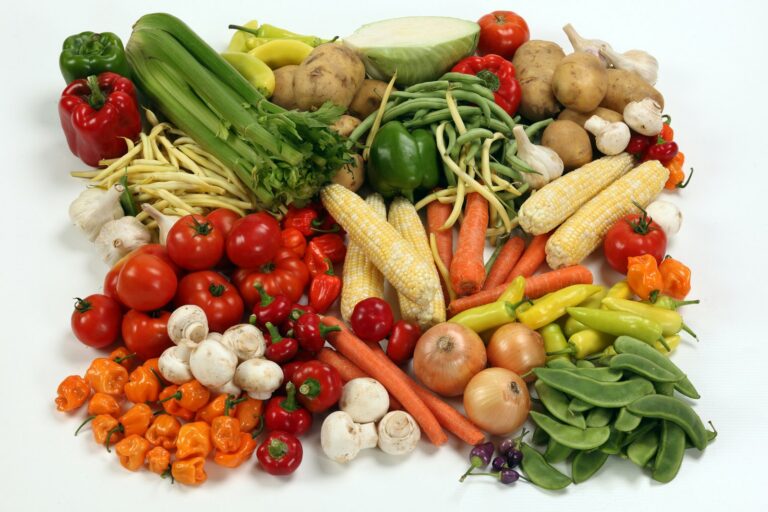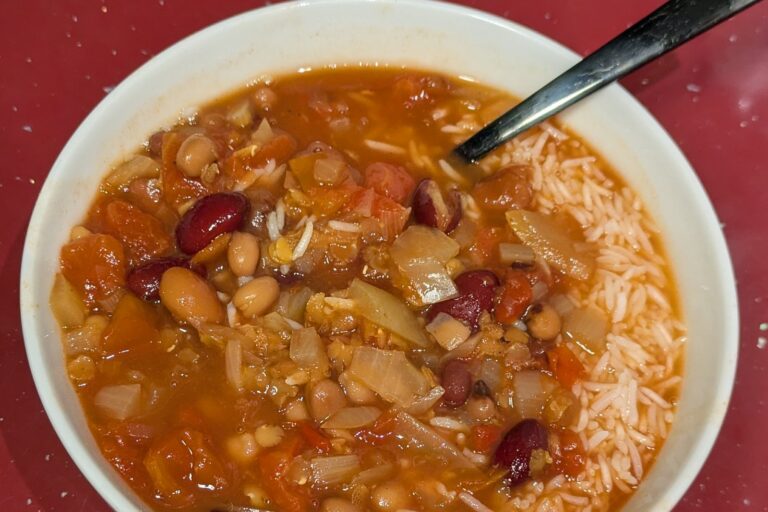
The story begins with a cardboard box on a doorstep, promising a win-win-win: farmers paid for crops they would otherwise discard, consumers fed with fresh vegetables, the planet spared a little waste. But when the boxes are opened, the arithmetic turns cold. Subscription services like Imperfect Produce survive only through government subsidies and impact investor capital, despite high consumer demand, because the hidden costs of cold-chain shipping, labor-intensive sorting, and last-mile delivery eat every margin.
The Ruthless Break-Even Point
Farmers discard irregular vegetables not out of cruelty but because labor costs for harvesting, sorting, and packing exceed their selling price. Standard produce sells wholesale for 2,000 to 3,000 yen per box, leaving profit after part-time wages and cardboard costs. Irregular produce fetches only 300 to 500 yen per box while demanding as much or more labor to gather, clean, inspect, and pack. For the farmer, shipping it means cash flows out of their pocket the moment the truck pulls away. Plowing the crop back into the field is a rational loss-cutting move.
The Puzzle That Slows The Line
Japanese agricultural standards exist to optimize logistics, not aesthetics. They ensure produce fits boxes without gaps so nothing shifts during long-distance trucking. When startups try to pack daikon radishes, carrots, cabbages, and tomatoes of varying shapes into a single box, workers must assemble each one like a manual puzzle. Packing speed drops by 30 to 40 percent compared to standard products.
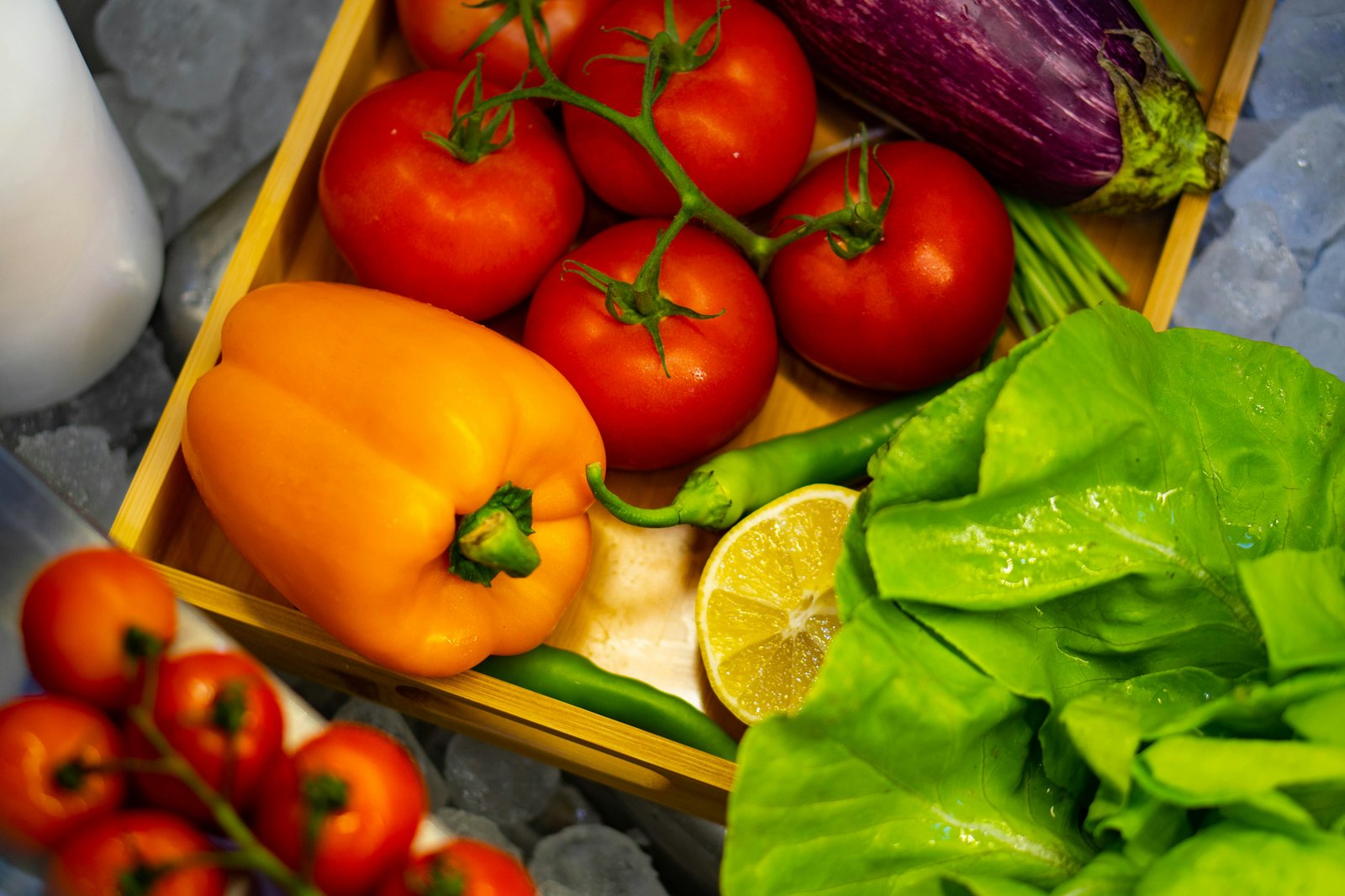
Gaps in those boxes cause transport damage. Heavy root vegetables crush soft leafy greens and tomatoes under vibration. Blemished produce invites rot bacteria, and in summer the risk of vegetables melting into mush inside the box skyrockets. The labor costs for customer support — apology emails, refunds, replacements — mercilessly blow away the thin gross profit.
When Freight Costs More Than Food
The 2024 logistics crisis in Japan sharpened the knife. A typical subscription set — 10 items, roughly four kilograms — sells for 3,500 yen including shipping. The vegetable procurement cost is roughly 800 to 1,000 yen. Cardboard, cushioning, ice packs, and flyers add 250 to 350 yen. Refrigerated home delivery under corporate contract rates runs 1,100 to 1,400 yen. Payment processing, e-commerce fees, and customer acquisition cost another 600 to 800 yen. Transportation and packaging alone — about 1,500 yen — exceed the cost of the vegetables themselves. After receiving, inspecting, picking, packing, warehouse rent, and refrigeration electricity, operating profit per box hovers near zero or slips into a loss of several hundred yen.
The Subsidy Treadmill
Most ugly-produce startups fail because they treat logistics as an afterthought, not a core cost driver. Many bleed red ink on individual subscription deliveries and stay alive only through demonstration-experiment commissions and subsidies from local governments, SDGs sponsorship money from corporations, and funds from ESG investors. Government or investor subsidies mask the unsustainability of the business models.
The Exception That Proves The Rule
Oroti Juice, a South Korean juice brand, bypassed logistics costs by buying 80 to 90 tons per year of ugly produce directly from farms, avoiding middlemen. Founder Choi Yeon-hee spent months persuading farmers to supply irregular crops, proving direct deals cut costs. She started in a 50-square-meter workshop with 300,000-won monthly rent, delivering free juice by bicycle to 25 customers found through 1,000 flyers distributed before dawn. Cold-pressed juice priced at 7,000 won per bottle required aggressive customer acquisition — free samples, flyers, and pop-ups — to justify the premium.
Sales grew 28.5 times in two years, from 10.6 million won in 2023 to 302.6 million won in 2025, after securing a permanent spot in Gwangju Shinsegae department store’s food hall. About 80 percent of Oroti’s annual volume — roughly 64 to 72 tons — consists of produce deemed too irregular for conventional channels. Vertical integration — controlling supply, processing, and direct sales — made the difference. The department store serves as a tasting and demonstration space; revenue comes from subscriptions, which generate higher margins because of their recurring nature.
What Comes Next
The answer for farmers and produce alike lies not in Instagrammable individual subscriptions but in bulk distribution as raw material for processing — food factories, restaurant chains, and meal-replacement manufacturers. Bulk container transport eliminates boxing: substandard vegetables of the same type are dumped into large returnable containers without washing or individual packaging and trucked by the load to nearby cut-vegetable or frozen-food factories. Subscription models alone cannot offset the hidden costs of cold-chain shipping and damage-prone handling.
Sources
- The Ruthless Ledger of Food Loss Businesses That 'Save Ugly Vegetables': The Reality of Subscription Services Bleeding Money Through Shipping and Sorting Costs, Only to Survive on 'Benevolent Subsidies'|一ノ瀬 岳水
- From 1,000 flyers at dawn to W300m: how one young entrepreneur built a premium juice brand on 'ugly' produce – The Herald Business
Photo: Randy Fath / Unsplash (Unsplash License)