Paracetamol was the first name on the list. In early March 2020, with many Chinese factories that supply its raw ingredient shut for weeks, India’s government decided it could not wait to see what happened next.
On Tuesday, March 3, the Directorate General of Foreign Trade issued a notification restricting the export of 26 pharmaceutical ingredients and the medicines and vitamins made from them, effective immediately. The list includes paracetamol, the antibiotics tinidazole and erythromycin, the hormone progesterone used in the contraceptive pill, and vitamins B1, B6 and B12. According to the Guardian, those drugs make up 10% of all India’s pharmaceutical exports. The Economic Times reported that a high-level committee formed by the Department of Pharmaceuticals recommended the curbs, to remain “till further orders.”
Why China’s shutdowns reached Indian shelves
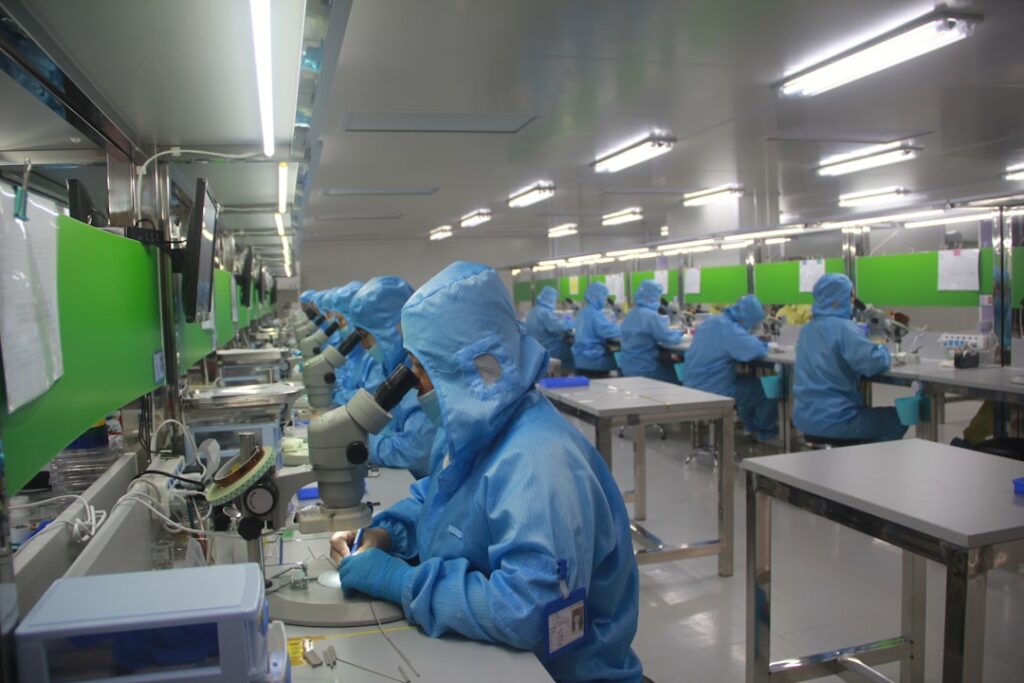
The cause was a lockdown in Hubei province, the centre of the coronavirus outbreak and a major source of active pharmaceutical ingredients. China accounted for 67.56 per cent of India’s total imports of bulk drugs and drug intermediates, worth USD 2,405.42 million in 2018-19. The Guardian put it differently: Indian drugmakers source about 70% of their ingredients from Chinese factories, many of which had been shut for weeks. Closed airports in China made it harder to get what was available out the door.
Indian factories had stocked up before the lunar new year, but those reserves were running low, and most plants were covered only until the end of March.
What the industry feared
Sahil Munjal, vice-chair of the pharmaceutical export promotion council of India, spelled out the exposure. “In India we have maximum dependency on China, so if things do not improve in March and China’s factories do not reopen then it is going to be a big, big disruption in global logistics and in the market,” he said. He added that the looming shortage was already pushing prices up.
India is one of the world’s largest drug exporters, and the US and Europe rely heavily on its supply. More than 50% of India’s drugs are made for export, and many of them cannot be sold on the home market at all. Jatish Sheth, director of Srushti Pharmaceuticals, described the curbs as aimed at preventing a shortage in India, then added: “But this will have a global impact.” Companies themselves were unsure what the restrictions covered.
Alternatives were thin. Some ingredients are also made outside China, but strict regulation of drug production means Indian plants cannot simply switch suppliers.
Officials tried to calm nerves. The government said there were enough stocks of the medicines to last three months and urged people not to panic. Cipla’s chief financial officer, Kedar Upadhye, said the company was working to improve its forward cover and did not see any large disruption at that stage. In Washington, Dr Stephen Hahn, head of the US Food and Drug Administration, told the Senate health committee that day that the impact of India’s move was uncertain. “We’re working very closely to look at that list to assess how that will affect the medical supply chain,” he said.
Sources
- India limits medicine exports after supplies hit by coronavirus (The Guardian)
- Exports of certain APIs, formulations put under restricted category amid coronavirus outbreak (The Economic Times, Teena Thacker)
Sources
- The China Drug Dependency – Council on Foreign Relations
- Impact of Covid-19 on the Active Pharmaceutical Ingredient …