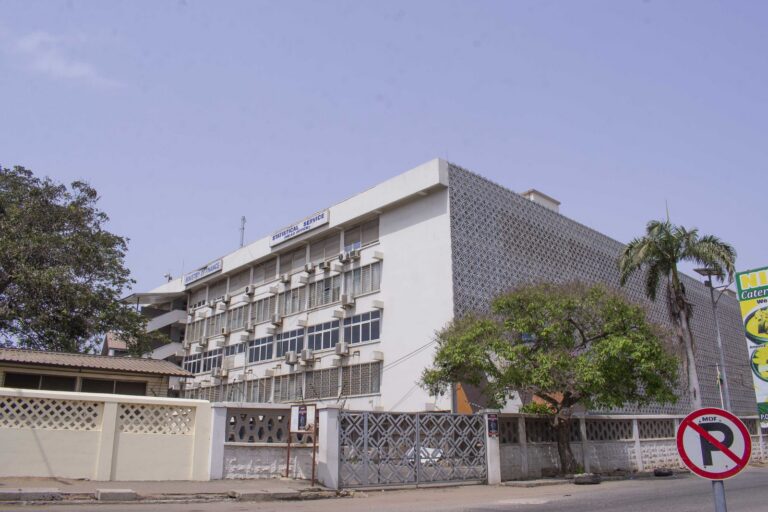
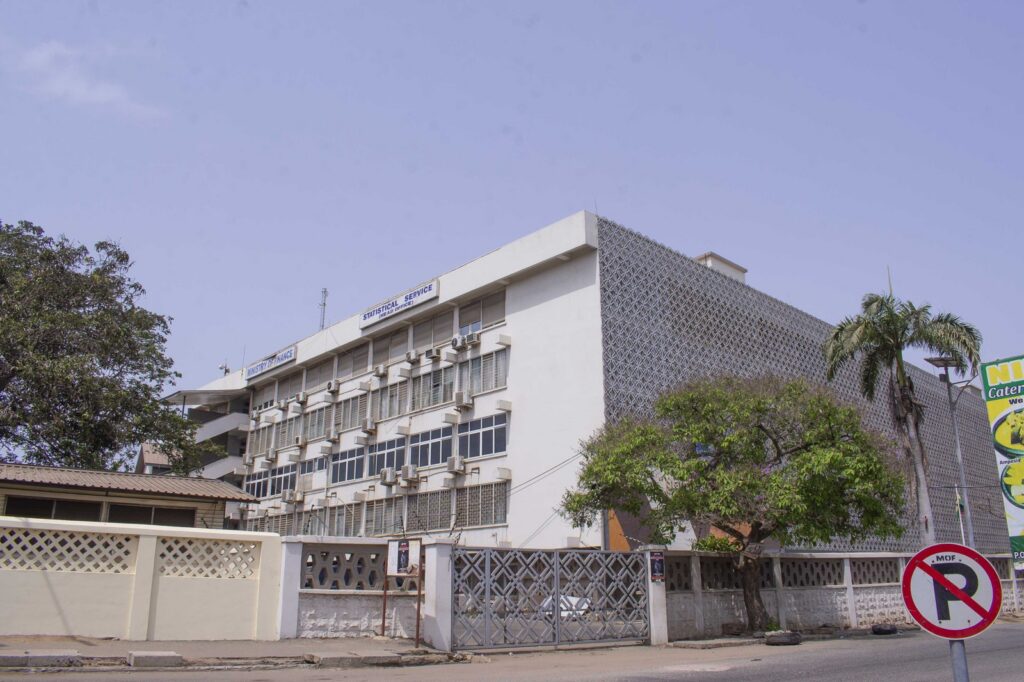
ACCRA, November 29, 2026 — Half of all Ghanaian households spent more than three-quarters of their total expenditure on food during the third quarter of this year, leaving little room for health, education or housing. The finding comes from the Ghana Statistical Service’s latest mobile vulnerability survey, which estimates that 4.69 million homes are navigating this financial squeeze.
The Story Begins in the Market
Dr Alhassan Iddrisu, the Government Statistician, presented the findings at a press briefing in Accra on Friday. He put the numbers in plain language. “When food takes three quarters of the budget, very little is left for health, for education, for housing, and for everything else,” he said.
The story begins with the 2026 third-quarter Mobile Vulnerability Analysis and Mapping survey. Conducted between July and September across all 16 regions, it drew on 7,752 mobile phone interviews weighted to represent 9.29 million households and 33.4 million people. The headline figure is stark: 50.5% of households directed over 75% of their spending to food. Only 8% managed to keep their food bill below half of total expenditure.
For those involved, the arithmetic is daily and unforgiving. Wage work remains the primary income source for 59.7% of households. Savings and trading account for another 24.5%. Small and medium-scale agriculture contributes just 10.9%, while borrowing, pensions, remittances and gifts make up the remaining 3.5%.
When Producing Food Does Not Mean Eating Well
At its heart, the survey reveals a paradox. Households dependent on agriculture — the very people growing the nation’s food — face higher rates of insufficient consumption than the national average. The rate stands at 15.9% for agricultural households, more than double the 6.6% national figure.
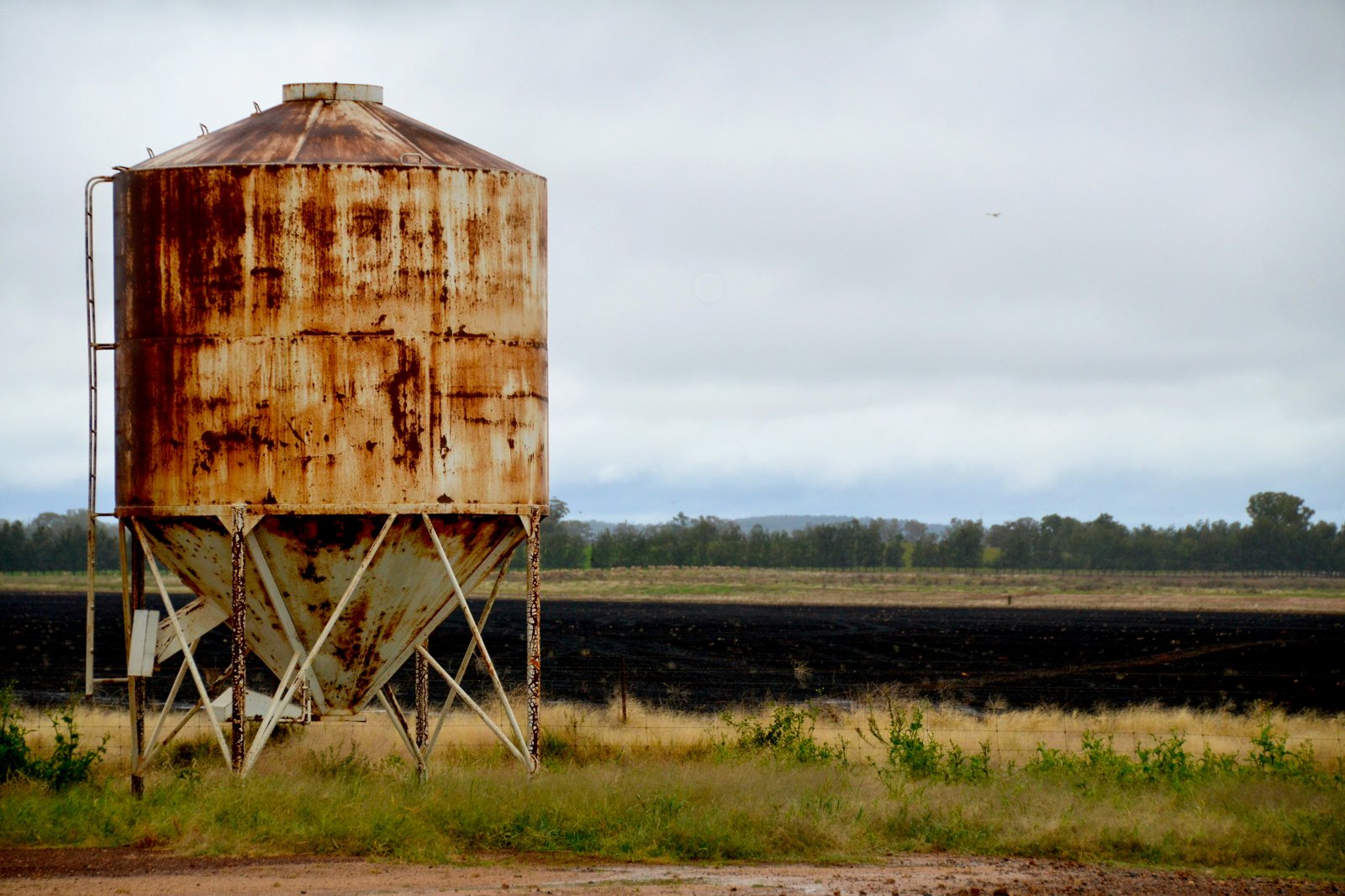
“Producing food does not by itself protect a household from food insecurity,” Dr Iddrisu said. The data bears this out. Seasonal production cycles, fluctuating market prices, and post-harvest losses leave smallholder farmers exposed. The survey suggests that storage, financing and market access matter as much as yield.
The Coping Strategies That Cost Tomorrow
What unfolded in the months before the survey shows how families bridge the gap. Nationally, 6.6% of households — about 606,000 homes — recorded poor or borderline food consumption. That translates to an estimated 2.69 million Ghanaians living in households with vulnerable food intake.
The coping strategies form a ladder of desperation. Roughly 30.1% of households, or 2.79 million, relied on medium or high food-related coping strategies: switching to cheaper or less preferred food, reducing portion sizes, skipping meals. But 11.3% — more than one in ten households — resorted to crisis or emergency strategies. These included selling productive assets, cutting healthcare spending, and withdrawing children from school.
Each choice solves today’s hunger at the expense of tomorrow’s capacity. A sold asset cannot generate future income. A child pulled from school loses years of earning potential. A forgone clinic visit allows illness to deepen.
Markets That Cannot Be Reached
Market access compounds the problem. The survey found that 22.6% of households — 2.1 million homes — reported difficulties reaching a market in the month preceding the interview. The consequences show up in consumption patterns. Households without full market access recorded a vulnerable food consumption rate of 13.5%, compared with 4.4% for those with uninterrupted access.
The gap raises questions about transportation infrastructure, distribution networks, and the physical availability of food in rural communities. It is not only a question of price, but of reach.
A Map of Disparity
The national figures conceal sharp regional divides. The North East Region recorded the highest proportion of households with vulnerable food consumption at 42.2%. Upper East followed at 30.1%, Upper West at 29.5%, and Northern Region at 27.1%.
The urban-rural divide is equally pronounced. Rural households were nearly three times as likely to experience vulnerable food consumption as urban ones — 10.7% versus 3.8%.
The Safety Net That Barely Exists
Social protection reached few of those struggling. Only 0.9% of households — approximately 83,000 homes — reported receiving food, cash or other assistance in the month before the survey. Meanwhile, 11.3% had already turned to crisis or emergency coping strategies.
The GSS recommends strengthening early-warning systems to identify vulnerable households, improving the targeting of social protection programmes, and investing in resilient agriculture, food storage, transportation and value chains. The findings underscore that food security depends not only on availability, but on the financial capacity of households to afford it and the systems that bring it within reach.
Sources
- Food Budget Ghana: 5 Ways to Improve Your Spending
- 1 in 2 households spend over 75% of their budget on food – Ghana Statistical Service – Adomonline.com
- Half of Ghanaian households spend over 75 per cent of expenditure on food – GSS – Ghana Business News
Photo: Amuzujoe (CC BY-SA 4.0)