
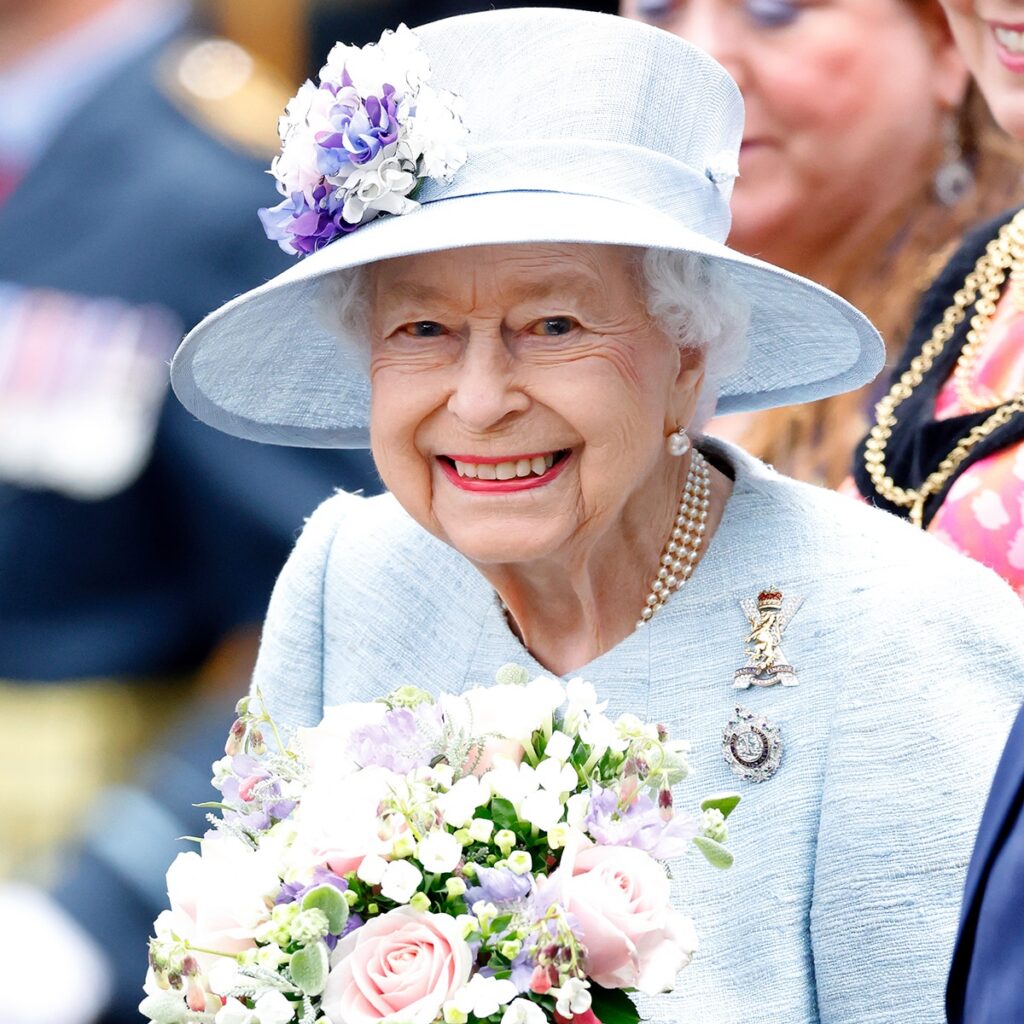
On 8 September 2022, Her Majesty Queen Elizabeth II died at Balmoral Castle in Scotland, ending a reign that lasted 70 years and 214 days. Her passing marks the conclusion of the longest‑served British monarch’s tenure and has prompted a wave of tributes from across the globe. In accordance with established succession rules, the throne passed immediately to her first‑born child, Charles, who is now styled King Charles III.
The transition activates two pre‑arranged protocols: “Operation London Bridge,” the overarching funeral and ceremonial plan devised in the 1960s, and “Operation Unicorn,” the specific set of procedures for a monarch’s death on Scottish soil. Together, these plans ensure that the forthcoming events will be conducted with the dignity befitting a sovereign.
Across the United Kingdom, citizens are gathering to honour the late queen. In Edinburgh, her coffin will lie in St Giles’ Cathedral from 12 September to 13 September, allowing the public to file past. Organisers anticipate that roughly 33 000 people will visit the cathedral during this period.
After the Scottish ceremony, the coffin will be transported by air to London, where it will be placed on view in Westminster Hall from 14 September through 19 September, offering hundreds of thousands of mourners the chance to pay their respects. The government has declared a ten‑day period of national mourning.
The centerpiece of this interval is a state funeral scheduled for 19 September, the first such ceremony in Britain since Winston Churchill’s funeral in 1965. The service will be held at Westminster Abbey, followed by a procession to the Wellington Arch. About 3 000 members of the armed forces are expected to take part, and the procession is projected to be witnessed by roughly one million onlookers in central London.
International leaders have issued statements praising the queen’s dedication to duty and her role as a symbol of stability. Many heads of state are expected to travel to London for the state funeral, underscoring the global significance of the event.
Operation London Bridge and Operation Unicorn also outline the logistical details of the royal transition, including the proclamation of the new monarch, the updating of currency and stamps, and the adjustment of the royal household’s duties. These measures aim to ensure a smooth shift from the reign of Elizabeth II to that of Charles III. As the nation prepares for the final rites, the public and media are closely watching the unfolding schedule.
The state funeral on 19 September will not only mark the end of an era but also signal the beginning of a new chapter in British constitutional history. InfoPulse Today will continue to monitor developments, providing updates on the ceremonies, international reactions, and the early days of King Charles III’s reign.