
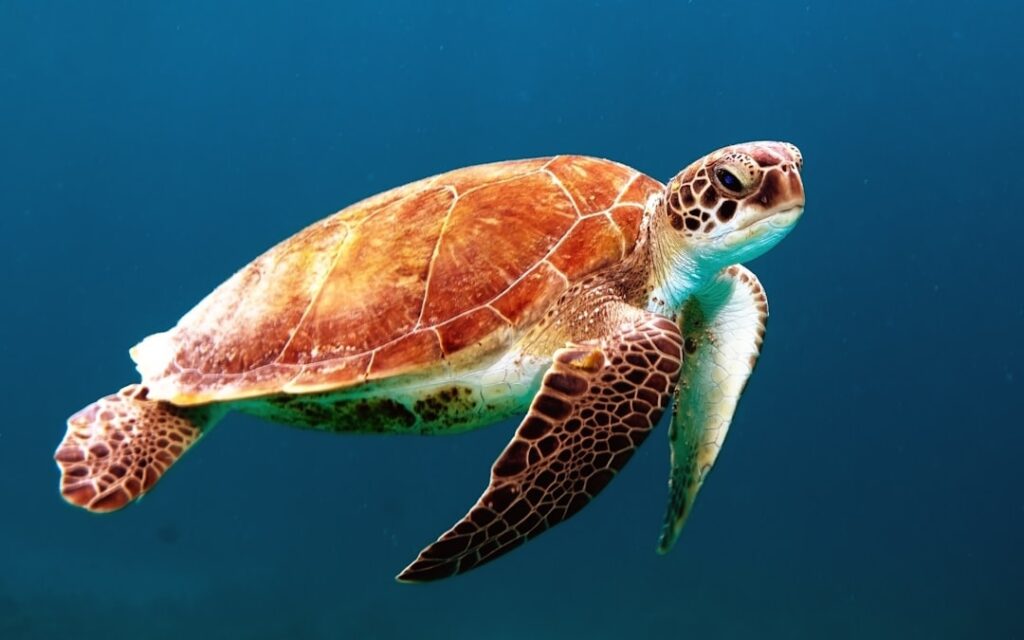
Nine people have lost their lives in Zanzibar after consuming sea turtle meat contaminated with chelonitoxins. Eight of the victims are children and the ninth is an adult. In addition, seventy‑eight individuals required hospital treatment following the same exposure.
Laboratory analysis has confirmed that the toxin responsible is chelonitoxin, a potent neurotoxin that can cause lasting damage to the nervous system. The tragedy has left families mourning, while those who survived face an uncertain recovery period.
Health officials stress that chelonitoxism is not ordinary food poisoning; it attacks nerve tissue and may result in long‑term neurological impairment for those who survive the acute phase. In response, the Zanzibar Ministry of Health has urged the public to reconsider eating a dish that has been part of the islands’ culinary heritage for generations. Sea turtle meat is regarded as a local delicacy, often sampled by tourists drawn to Zanzibar’s beaches, spices, and culture.
The current outbreak raises concerns about whether visitors will continue to order the dish, potentially affecting the tourism‑dependent economy. Dr. Fatma Abubakar, a leading health expert in Zanzibar, noted that the investigation remains active.
She said, “the investigation is ongoing, and we are working closely with local authorities to determine the cause of the contamination and prevent future incidents.” She added that while sea turtle meat can be a nutritious food source, it may also harbor toxins, making proper handling and cooking essential.
Dr. Ali Mwinyi, a local health official, echoed the commitment to safety, stating, “we are committed to providing our citizens with safe and healthy food options, and we will continue to work with local communities and stakeholders to achieve this goal.” The semi‑autonomous government has already launched training programs for food handlers and awareness campaigns aimed at improving food safety practices. Officials acknowledge that preventing contamination is challenging.
The toxin is not inherent to the meat itself; it can arise from environmental exposure, and safe preparation depends heavily on correct handling and cooking—practices that are not always feasible in home kitchens or modest roadside stalls. The Ministry’s statement urges everyone to follow established food safety guidelines and to exercise caution when consuming sea turtle meat. For the families of the nine deceased, the warning arrives too late. For the seventy‑eight hospitalized, timely medical care and adherence to safety advice could determine whether they achieve full recovery or suffer lasting health problems.
Experts warn that a single incident of this magnitude can erode years of trust in local food traditions. Travelers who see headlines about nine deaths and seventy‑eight hospitalizations may choose to avoid the dish altogether, potentially influencing their decision to visit the archipelago.
Zanzibar’s appeal lies in its unique blend of natural beauty, cultural heritage, and gastronomy; however, its remote island setting, limited cold‑chain infrastructure, and reliance on generational cooking practices complicate efforts to guarantee food safety. While the government has been working to upgrade healthcare services and food safety standards, the outbreak highlights the work that still lies ahead. Long‑term solutions may involve research and technological advances to detect and neutralize toxins before consumption.
In the short term, the Ministry’s clear message remains: exercise caution when handling and preparing sea turtle meat.




