
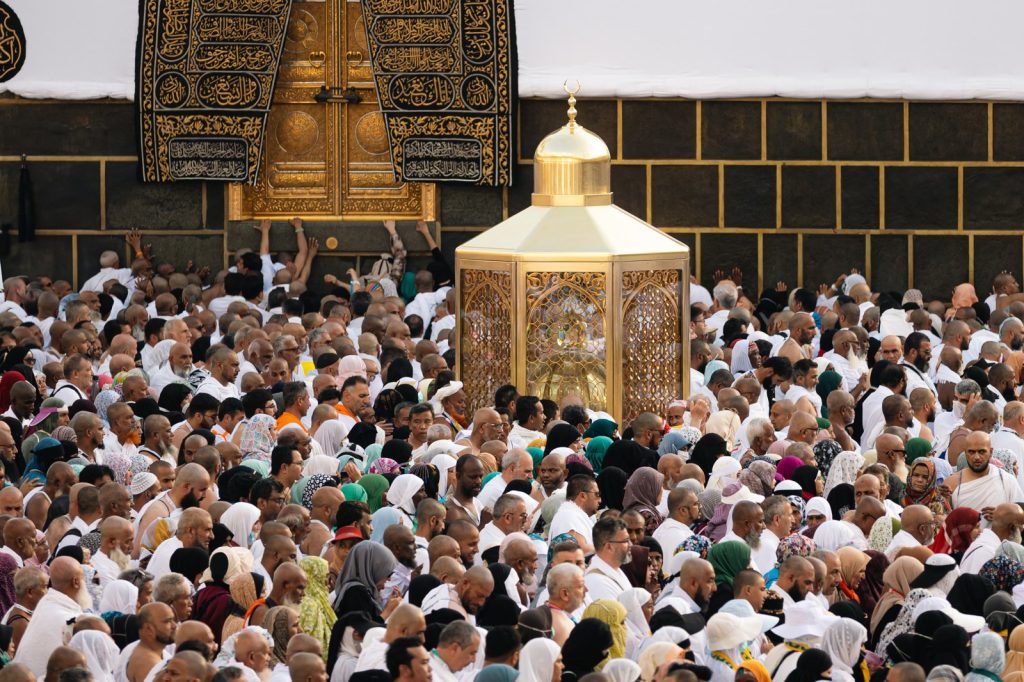
The annual hajj pilgrimage in Saudi Arabia has ended in tragedy, with 19 pilgrims confirmed dead. Fourteen of those fatalities were attributed directly to heat stroke. The deceased include citizens from Jordan and Iran, who had traveled to the holy city of Mecca to perform a central ritual of their faith.
They succumbed to the extreme desert conditions. The hajj is a fundamental religious duty expected of every able-bodied Muslim at least once in their lifetime.
This obligation, however, now collides with a harsh physical reality: Saudi Arabia’s climate is intensely hot. Extreme temperatures are not an unusual occurrence but a persistent condition. The country’s infrastructure, while improved by government efforts, strains under the immense pressure of millions of pilgrims.
These construction projects and facility upgrades cannot alter the weather, which remains a lethal factor. Jordan, a country in the Southern Levant bordered by Syria, Iraq, and Saudi Arabia, is home to several of the deceased.
While Jordanians are familiar with heat, the conditions during the hajj represent a different level of exposure. Pilgrims perform rituals in open spaces, requiring them to walk and pray for extended periods. The sheer scale of the event—millions of people gathered in one location under extreme temperatures—places enormous demands on water supplies, shade, and medical care. When these systems are overwhelmed, fatalities occur.
The death toll of 14 from heat stroke alone serves as a stark warning. The hajj is an annual event, and the climate is not cooling.
The heat is becoming increasingly punishing. The Saudi government faces a recurring challenge: protecting pilgrims from an environment it cannot control. Current measures have proven insufficient, as the deaths demonstrate.
Infrastructure upgrades, while important, are not a complete solution. This tragedy also highlights broader economic and environmental issues.
Saudi Arabia’s economy relies heavily on fossil fuels, a dependency shared globally. The report underscores the need for sustainable practices and investments in renewable energy sources like solar and wind power. Such shifts could reduce energy production costs and improve energy security, but these are long-term changes.
The hajj occurs annually, and the next pilgrimage season will again confront the same extreme heat. Jordan, too, faces a difficult balance.
The country must develop its economy and infrastructure while prioritizing environmental protection, all with limited resources. It now also bears the loss of citizens who died on a religious journey. This is not a story of faith being tested; faith endures.
It is a story of bodies in extreme heat, of a ritual requiring physical presence in a place that can kill, and of a host country that must find answers before the next wave of pilgrims arrives. The dead from Jordan and Iran went to Mecca and did not return.
The heat was indifferent to their devotion.




