
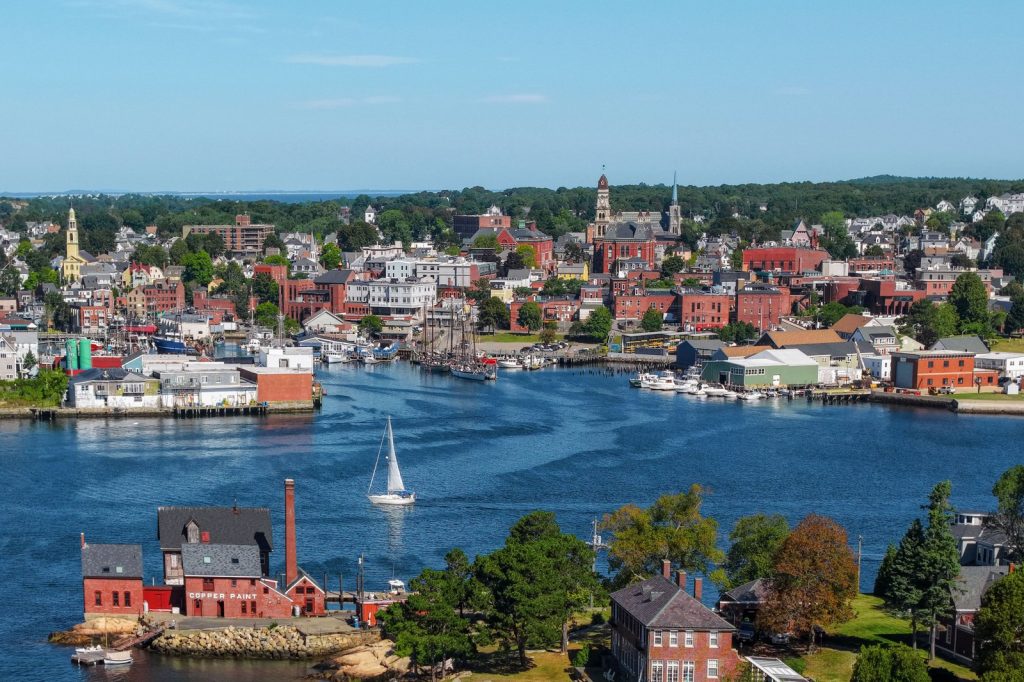
The maritime heritage of Gloucester, Massachusetts, is steeped in the perils of the sea. For generations, the city’s fishing fleet has departed from its harbor, returning with catches of cod and haddock, though not always with all hands aboard. On January 30, 2026, that legacy was marked by another tragedy.
A 72-foot fishing vessel sank offshore, resulting in one confirmed fatality and six crew members still unaccounted for. The vessel’s length places it within a specific class of working boats.
Smaller fishing boats, typically under 25 meters, are often constructed from fibreglass in modern times. Steel is reserved for larger vessels that venture farther and remain at sea longer. The report does not specify the construction material of this particular boat. Whether wood, fibreglass, or steel, no material offers a guarantee of safety against the ocean’s indifference.
The cause of the sinking remains under investigation. Common factors in such incidents include adverse weather, equipment malfunction, and human error.
Any single factor can disrupt a voyage; a combination of two or three can be catastrophic. No details have been released yet regarding which factor or factors led to this specific event. The Coast Guard will conduct an investigation, interviewing any survivors found and examining the wreckage if it can be located.
This process will take time. For now, the search operation is the immediate focus.
The six missing crew members dominate attention in Gloucester. In a port city, the fishing community is closely knit. Many residents have relatives or neighbors who work on the boats.
Any siren near the harbor draws people to the waterfront, where they watch the horizon and await updates. One family has already received the devastating confirmation of a death.
Six other families remain suspended between hope and dread, a difficult state that can persist for days and may not end as hoped. Fishing is inherently dangerous, a fact well known in Gloucester. Crews operate in conditions that keep others indoors, handling heavy gear on slippery decks, often far from assistance.
The report describes the fleet as brave and resilient. While accurate, those words do not fully convey the human cost.
Bravery and resilience cannot reverse a death or answer where the missing men are. Gloucester’s maritime history spans centuries. Some boats have returned empty, and some have never returned.
Memorials around the harbor bear the names of lost vessels. Another name may soon be added.
The search continues, which is the only active development. The report also notes broader concerns about sustainable oceans and a clean marine environment. While important long-term issues, they offer little comfort to families awaiting news. Their focus is more immediate: a name on a list, a face in a rescue basket, or a phone call that changes everything.
Gloucester will process this loss as it has others. The fleet will eventually return to sea, as fishing towns do.
But for now, the harbor is quiet. Boats remain tied up, and crew members stay ashore, waiting like everyone else to see what the sea gives back.




