
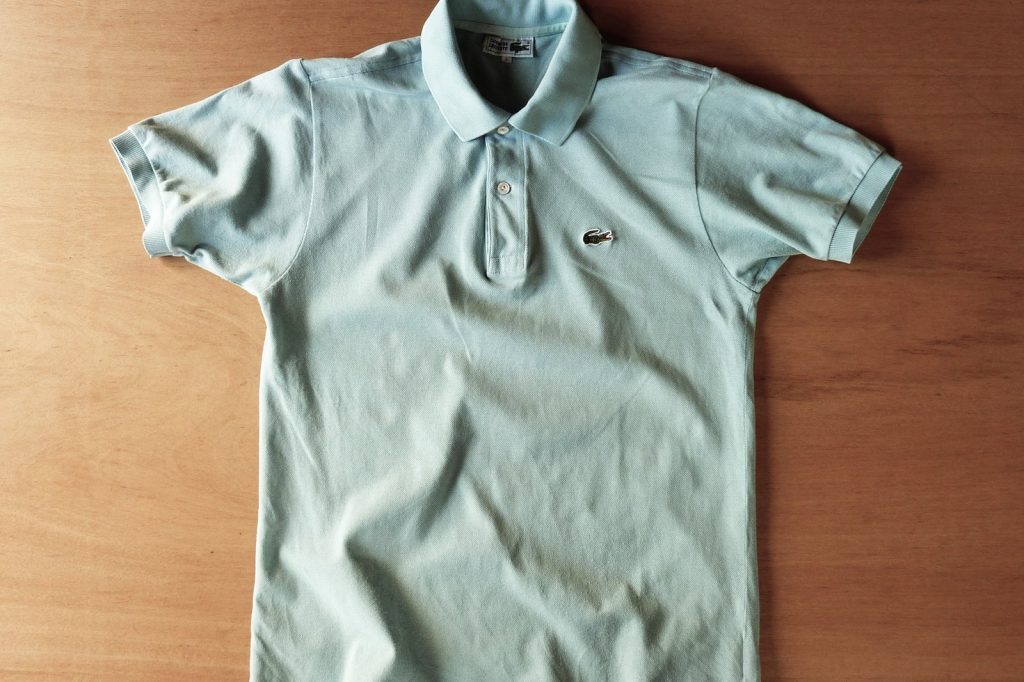
NEW YORK — A $57 long-sleeve oxford shirt is not what the French fashion house Lacoste typically stands for. Yet that is exactly the price Amazon Prime members can pay right now, as the e-commerce giant slashes select Lacoste summer items by up to 59 percent. The shirt, normally $120, is more than half off.
For a brand that rarely offers such deep discounts through its own channels, the markdowns signal something larger than a simple sale. Prime Day has evolved into a twice-annual event for Amazon.
Electronics and home goods usually dominate the headlines. Apparel gets a share, but premium brands like Lacoste do not often appear at these price points. Lacoste merchandise sits at a premium in department stores and its own boutiques.
The crocodile logo carries a certain cachet — and a certain price tag. That makes the current discounts a departure from the brand’s usual strategy.
One analyst tracking the event pointed to the $57 oxford shirt as a significant break from Lacoste’s normal pricing. The company does not typically slash its own inventory by 59 percent. So why now?
The timing offers a clue. Late June marks the traditional start of the summer shopping season. Amazon is using Prime Day to capture that wave.
Lacoste, by participating, gets access to millions of Prime members who might not walk into a Lacoste boutique. The trade-off is margin for volume.
The discounts apply to a range of summer essentials, though Amazon has not specified the exact end time for the promotion. Prime Day sales typically run 48 hours. The window is limited.
Supplies are finite. Shoppers must be logged into their Prime accounts to see the reduced prices.
That login requirement is a deliberate feature. Amazon wants membership to feel essential, not optional. Discounts like these reinforce that message.
What happens next matters. If the Lacoste sale moves significant inventory, other premium brands may follow. Luxury labels have long resisted deep discounting, fearing damage to their image.
But the retail landscape has shifted. Department stores struggle.
Direct-to-consumer channels face rising costs. Amazon offers scale that few can match. A 59 percent discount on a $120 shirt may feel like a loss of prestige.
It is also a guaranteed sale. The broader trend bears watching.
Prime Day has become a twice-annual event, not a single-day flash. That frequency normalizes discounting. Brands that once held the line now step into the fray.
Lacoste is not alone. Analysts will track whether this signals a broader shift among premium apparel makers. The oxford shirt at $57 is a test case.
If it works, expect more crocodiles in the Amazon listings. For now, the deals are live.
Prime members can log in and buy. The clock is ticking. The sale runs while supplies last.
Lacoste is not commenting on the promotion, and Amazon has not released sales figures. But the price tag speaks plainly.
A premium brand at a discount price, on a platform built for volume — that is the story. Where it leads depends on how many shoppers click “add to cart.”




