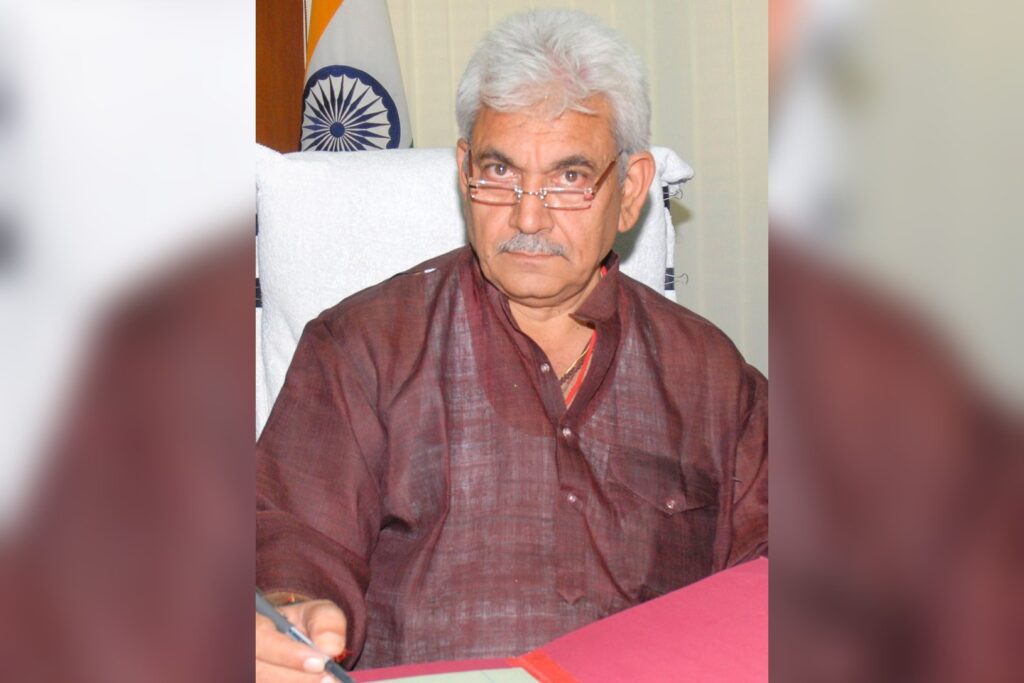
Lieutenant Governor Manoj Sinha spent Sunday at Baltal, the base camp for the Amarnath Yatra, and left with two jobs done: a security and civic review, and the launch of a campaign to make the pilgrimage free of landfill waste.
He chaired a meeting of senior civil, police and security officials on infrastructure, security and readiness. Sinha said every pilgrim should have a spiritually enriching experience and told departments to keep police and security agencies closely coordinated. He also ordered more on-the-spot registration counters to cut waiting times.
The review covered sanitation, evacuation plans, weather forecasting, holding areas, parking, langars (community kitchens), transport, healthcare, drinking water, power, buffer stocks of essentials, roads, flood mitigation, disaster preparedness, animal husbandry services and registration. Ganderbal’s Deputy Commissioner outlined the departments’ preparations. The district’s Senior Superintendent of Police described personnel deployment, surveillance, access control, traffic management and emergency response.
The Shubham-Shivam campaign
Earlier, Sinha launched the “Shubham-Shivam” information, education and communication campaign, which he described as a significant step toward a clean, zero-landfill Yatra. He unveiled a website, a pilgrimage anthem, a logo and a mascot for it.
Sanitation workers and volunteers got much of the credit. Sinha called them the “real heroes” of the effort.
Three new schemes came with the launch. A mobile app called “Trayambakam” lets pilgrims photograph waste and send it in for quick action. Think of it as a report button for litter. The “Swaha” utensil bank promotes reusable steel utensils. At the “Amarnath Seva Cafe,” visitors get refreshments in exchange for plastic waste they have collected.
Sinha also announced a regulatory framework still to come. It will require four-way waste segregation, ban single-use plastics outright and set sanitation standards for all langars and camps.