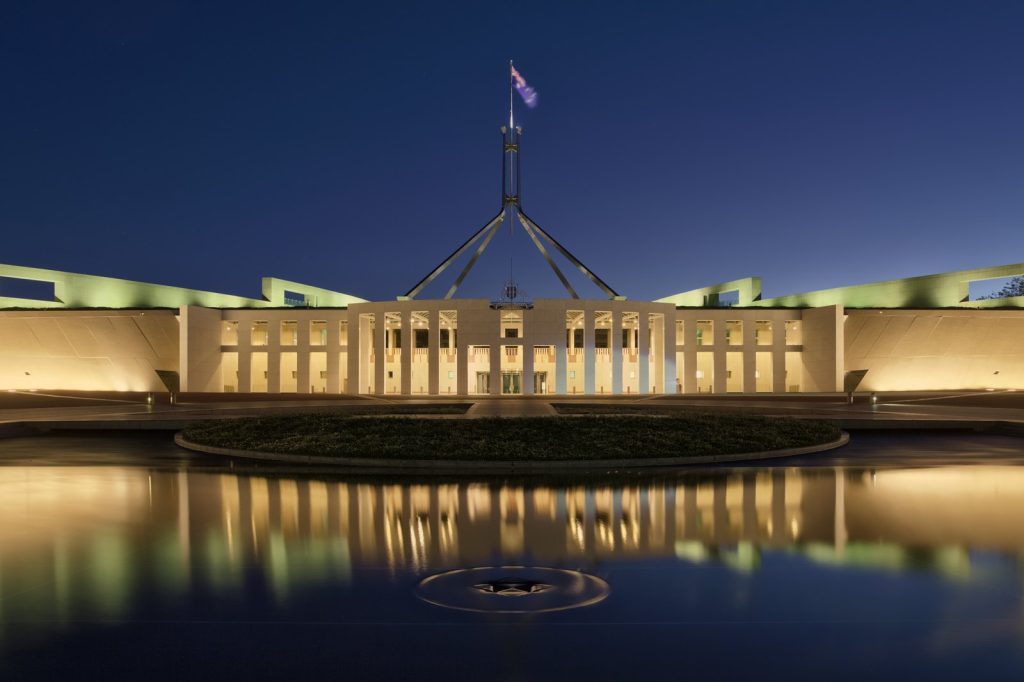
Liberal senator Jess Collins called it “a stain on our democracy.” She was speaking about how members of the Plymouth Brethren Christian Church have been treated by Labor during a parliamentary inquiry into last year’s federal election.
The inquiry’s interim report was tabled on a Tuesday afternoon. The Coalition promptly dismissed it, accusing Labor of turning the review into a “hyper-partisan witch-hunt” against church members. Liberal MP Ben Small used nearly the same words in parliament, calling it a “one-eyed hyper-partisan witch-hunt of a group of religious Australians.” Collins said Labor was using parliament to “persecute a religious group for campaigning against them.”
What the committee found
The Labor-led joint standing committee on electoral matters received dozens of reports about the behaviour of Plymouth Brethren members, who turned out in large numbers for Liberal candidates in marginal seats. The church has acknowledged that some members took part in the campaign but denies the church organised it.
Committee chair Jerome Laxale said events at the election “felt like an assault on our democracy, especially in targeted seats.” Submissions named the Brethren and the right-wing lobby group Advance, he said, and many described their activity as “a fundamental disruption to the foundations of our free and fair voting process.”
The report itself named no groups. It said a “significant proportion” of reports of antisocial behaviour at polling places were linked to “third parties.”
The recommendations
There are 14. The committee wants a review of the threshold at which an entity counts as a significant third party under federal electoral law, and so falls under regulation. It also proposes a mandatory code of conduct for everyone at polling places, enforced in designated “campaign zones” around booths where campaigner numbers and signage would be limited.
A wider review of electoral law to guard against “domestic interference” is also on the list. Laxale said behaviour designed to dissuade people from taking part in elections could arguably fall into that category.
A dispute over hearings
The committee said the church and Advance declined to appear at hearings in November 2025, March and May. Last week it said it would summon them if invitations were refused again, calling the step “extraordinary” but “necessary.”
The church’s director, Lloyd Grimshaw, has written to say he is prepared to give evidence and “state the facts.” A church spokesperson said the church had offered on Tuesday morning, for the fifth time, to appear and wanted to confirm that it “did not support, coordinate or otherwise participate in the 2025 election.” The spokesperson added that the church had been unable to attend on the one date first proposed.
An Advance spokesperson told Guardian Australia that Laxale “is a sook who is currently conducting a witch-hunt into anyone who disagrees with him.”
The inquiry now turns to its remaining terms of reference, including fixed four-year terms and more MPs in parliament. Its final report is due in November.