In 1845, William Henry Fox Talbot made a daguerreotype of peaches and a pineapple. It is the first known photograph to treat food as its subject.
For a long time afterward, food pictures looked like dinner as the diner saw it: laid out on a table setting, shot from above. Stylists arranged everything flat on the plate and clearly separated, so the dish read well from that angle. Later came romantic lighting, shallower angles and more props. The extreme versions earned the label “food porn.”
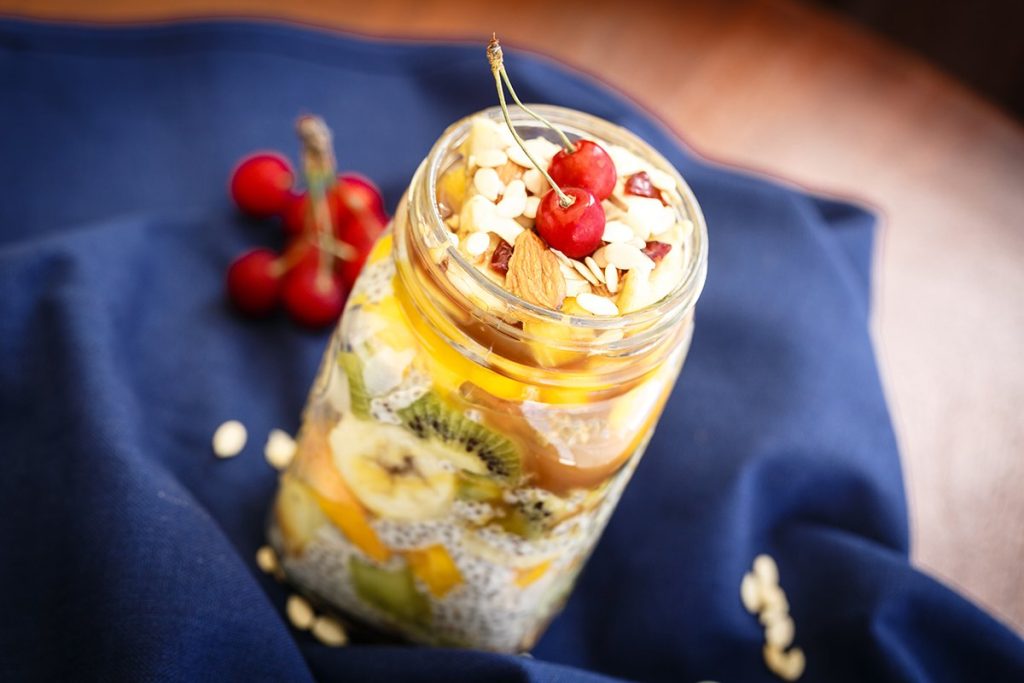
The current look in Western commercial work goes the other way. Simple, clean, natural, few props. Photographers lean on selective focus, tilted plates and extreme close-ups. Kitchens have helped, since chefs now build taller, layered dishes that suit narrow-angled shots.
The person who makes the plate behave
Behind each of those pictures is a food stylist, whose job is to make the food look attractive in the finished photograph. That is not how a home cook or a chef plates a dish. A stylist has to know how to turn taste, aroma and appeal into something a flat image can carry.
Many stylists have culinary training. Some are professional chefs, others come from home economics. They also have to be resourceful shoppers, because the work starts at the market. Only the most visually perfect ingredients will do, and the stylist buys several extras and test items, which makes shopping a slow business.
The best-looking item gets marked as the “hero,” the one that will appear in the final frame. During setup and test shoots, a cardboard or lower-quality stand-in takes its place.
Looks good, not for eating
Shoots happen in a studio under controlled lighting, or in natural light. The background’s color and texture are chosen to complement the food and help the lighting.
Styled food is usually marked inedible and thrown out afterward. It has been handled, or treated in ways that make it unsafe to eat. Take a glass of cold liquid. To fake a thin layer of condensation, a stylist sprays it with dulling spray, shielding the parts that should stay clear with paper or masking tape.
Cameras at the table
Amateurs have taken up the craft too. With social media and the rise of selfies, diners now photograph their meals on phones to share on Instagram or in food blogs. The habit is sometimes called “camera eats first.” Influencers use food photos to push healthy eating, fad diets or a restaurant, and some restaurateurs object and ban diners from photographing their plates.
Commercial work has its critics as well. BBC News ran a 2022 story on McDonald’s and Wendy’s being sued over burger ads said to mislead on size, and a 2023 report that Burger King faced a legal claim over the size of the Whopper.