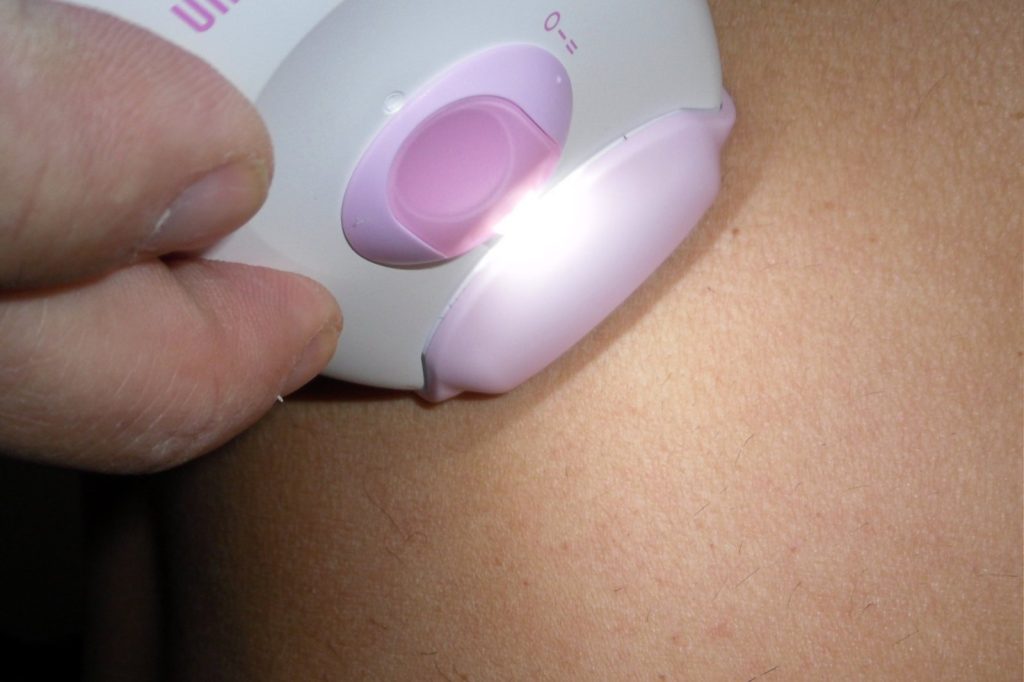
A $500 laser costs about the same as one professional hair removal session. The difference is that you keep the laser. That is the pitch behind a new round of at-home devices, and after more than three years of testing them, Women’s Health editors say the long-term results justify the effort. They are also blunt about the limit: none of these gadgets delivers permanent hair loss.
What they do is zap hairs at the root, which slows regrowth and leaves skin smoother. Most users see first changes in one to four weeks, with full results taking up to 12. Dermatologist Bertha Baum, DO, says people typically use a device weekly for four to ten weeks before the results last. Thinning, she adds, shows up after about four treatments.
IPL or diode: what the difference means
In plain terms, there are two kinds of device. IPL (intense pulsed light) and diode lasers both scan for pigment and target the hair follicle, as dermatologist Melanie Kingsley, MD, explains. Each has its own strengths and its own blind spots.
IPL is the common one. It sends out broad-spectrum light, roughly 400 to 1,400 nm, aimed at melanin, the pigment that colors hair. The catch is that it cannot tell dark hair from dark skin. Dermatologist Rachel Nazarian, MD, says that makes it unsuitable for dark and deep skin tones. Fair to olive skin with dark hair is the sweet spot.
Until recently every home device was IPL. Epilaser now sells a diode laser for home use, which concentrates its light at about 810 nm. Think of it as trading a floodlight for a flashlight: the narrower beam finds the follicle instead of scorching the skin around it. That makes diode lasers slightly more versatile, including for some people with darker complexions. Either way, keeping results means repeat treatments.
What to look for when buying
Check the flash count first, since it tells you how long the device will last. “Many devices contain about 200,000 flashes, which is typically good for more than 15 years, although it also depends on how many areas you’re treating,” Nazarian says. The Smoothskin has unlimited flashes, though it costs more.
Extras push the price up too. The Nood has several intensity modes, from gentle settings for sensitive skin to stronger ones for faster results, and Braun offers interchangeable heads. Cooling technology, which chills the skin before, during and after each pulse, makes longer and higher settings easier to tolerate.
Head size matters. Larger heads cover big areas faster, while a compact one, like the Iouniya’s, works on both face and body.
The routine
The time commitment is front-loaded: up to five sessions a week at first. After a few months, upkeep drops to once or twice a season. Anyone with sensitive skin should start at one session a month and build up as the skin allows. Results arrive more slowly that way, but the skin stays calm.
The editors, working with seven dermatologists, narrowed their picks to 12 devices.