
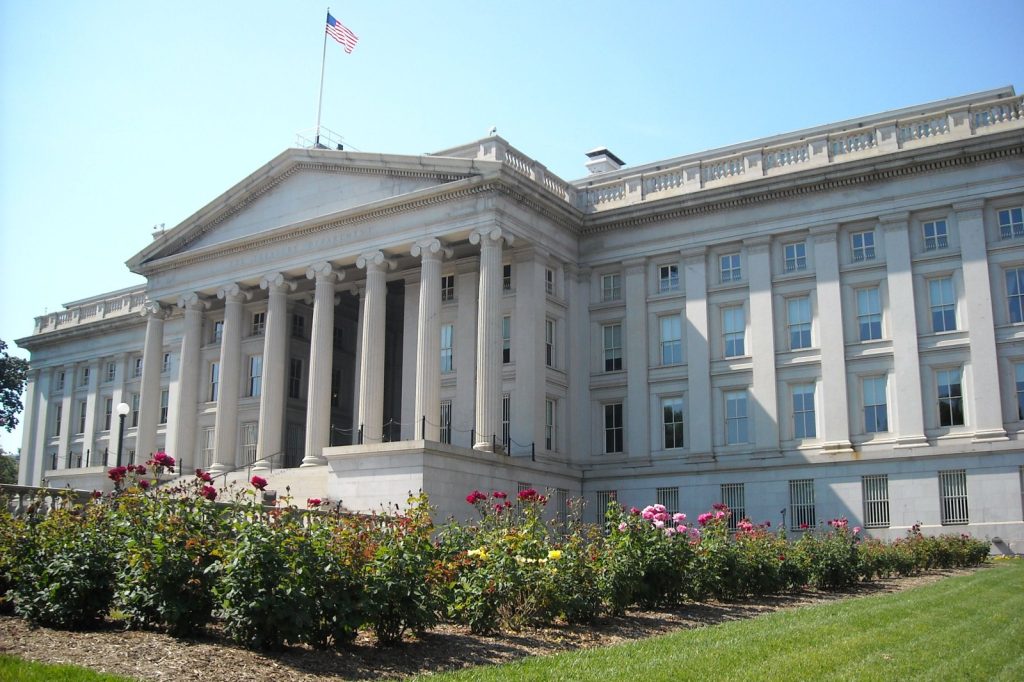
WASHINGTON, September 26 — The Corporate Transparency Act is still on the books, and the agency charged with enforcing it has spent the past year gutting it. That is the bottom line for anyone tracking U.S. anti-money-laundering policy. The CTA — enacted by Congress under the Trump administration as part of the Anti-Money Laundering Act of 2020 — requires certain companies to report their beneficial owners, the real people who own or control them, to the Treasury Department’s Financial Crimes Enforcement Network.
The law was designed to curb the abuse of anonymous shell companies, which have been linked to money laundering, fraud, drug trafficking, sanctions evasion, corruption, tax crimes, human trafficking, organized crime and terrorist financing.
The rule that emptied the statute
In August 2026, FinCEN issued a Final Rule that exempts almost all entities Congress mandated to report their true owners. The rule eliminates reporting requirements for U.S. entities and individuals and requires reporting only from certain foreign entities registered to do business in the United States. The FACT Coalition and numerous law enforcement, national security, small business and anti-corruption organizations have criticized the Final Rule, saying it contradicts the law as Congress wrote it and reopens U.S. markets to illicit finance and abuse by anonymous shell companies.
A May 2026 report from the U.S. Government Accountability Office reached a similar conclusion. The GAO warned that the expanded exemptions create significant gaps in beneficial ownership information available to law enforcement and recommended that Treasury address the risks.
The report traced those exemptions to FinCEN’s March 2025 Interim Final Rule, which the August 2026 Final Rule made permanent. GAO noted that shell companies have long been used to obscure ownership and facilitate illicit finance, and that the lack of timely access to high-quality beneficial ownership information remains a major vulnerability in U.S. efforts to combat illicit finance.
Courts have upheld the law. Congress has not repealed it.
In December 2025, the U.S. Court of Appeals for the Eleventh Circuit upheld the CTA in National Small Business United v. U.S. Department of the Treasury, finding it a constitutional exercise of Congress’s authority under the Commerce Clause. Other courts have likewise rejected broad challenges, and the law remains in effect.
FinCEN has yet to fully implement the statute since Congress enacted it in January 2021. On Capitol Hill, certain members have pressed to codify the exemptions or repeal the law outright.
In April 2026, the House Financial Services Committee advanced H.R. 425, legislation that would effectively repeal the CTA’s beneficial ownership reporting requirements for U.S. companies. The bill narrowly cleared committee on a vote of 26-25, facing bipartisan opposition. It has not been enacted into law.
The case for the reporting regime rests on a simple gap. Anonymous companies can be formed without providing much information about who actually owns or controls them, leaving law enforcement and financial institutions struggling to identify the individuals behind suspicious transactions.
Law enforcement officials, national security experts, financial institutions, anti-corruption organizations and human rights advocates have long backed reforms to end anonymous company ownership in the United States. The United States has long been one of the easiest places in the world to create an anonymous company. More than 100 countries have already implemented disclosures similar to the CTA.
Investors will note what comes next. The GAO has asked Treasury to identify actions addressing the risks posed by the domestic reporting exemptions. Whether Treasury does so — or whether Congress moves on H.R. 425 — will determine how much of the CTA survives.




