
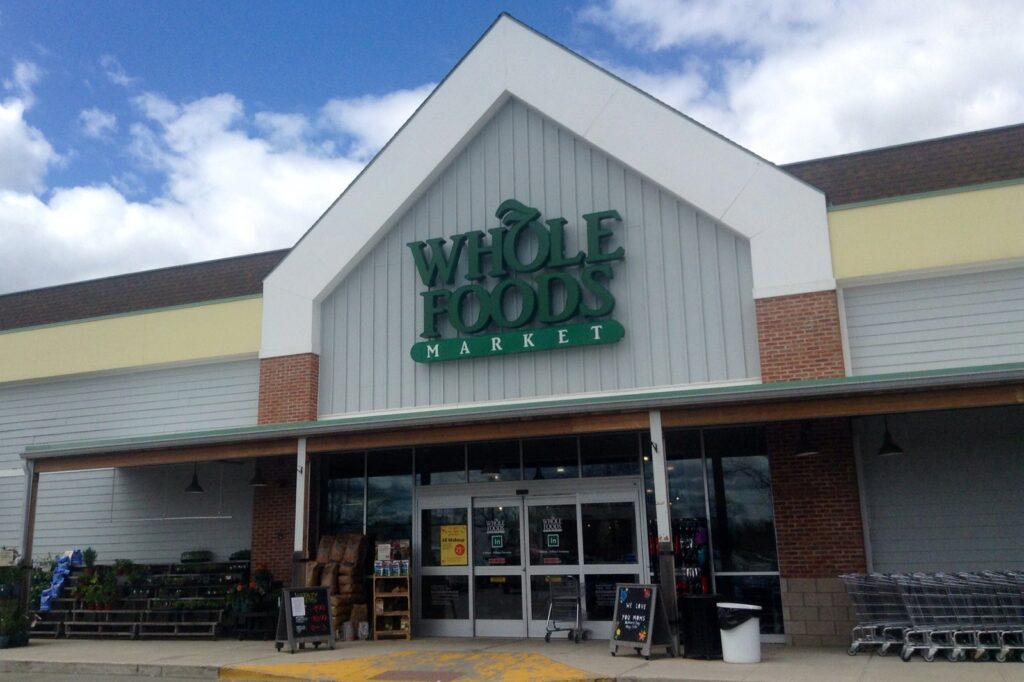
Whole Foods Market Uses Expert Trends Council to Forecast 2027 Food and Beverage Trends
Whole Foods Market consulted its expert Trends Council for predictions on cutting-edge flavors, products, and ingredients for 2027, according to the company’s 2026 trend report. The council identified terroir as a growing concept beyond wine, emphasizing regional identity in food.
How the Trends Council Identifies Emerging Food Trends
The Trends Council evaluates provenance and Protected Designations of Origin to track interest in regional honey, single-estate chocolate, and named-source grains. Brands like Jacobsen Salt Co. and Counter Culture Coffee help normalize origin-specific storytelling. Row 7 Seed Co.’s tinned produce highlights vegetables grown on specific regional farms to preserve a sense of place. The concept of merroir highlights how ocean environment influences seafood flavor.
Role of Provenance and Terroir in 2027 Predictions
Whole Foods Market emphasizes regional identity through offerings like single-estate extra-virgin olive oils and Parmigiano Reggiano from select farms in Parma, Italy. Exclusive products like Principe San Daniele prosciutto are sourced from the only Certified Humane farm in Italy. These products reflect the council’s focus on traceable origins and distinct regional flavors.
Growth of ‘Beauty From Within’ Food and Beverage Products
The concept of ‘beauty from within’ is gaining momentum as consumers turn to ingredients rich in collagen, antioxidants, healthy fats, and hydration for skin health. Collagen jelly sticks, skin glaze gummies, olive oil shots, and ‘drink your sunscreen’ products are emerging in the beauty and wellness market. Sardines and oysters are gaining attention as skin-supportive foods due to their omega-3s, vitamin D, zinc, and copper content.
Examples of Products Reflecting 2027 Trend Forecasts
Whole Foods Market’s 2026 LEAP Early Growth Cohort includes HEYDOH Single-Origin Soy Sauce as part of its trend-aligned innovation. Whole Foods Market Transparent Trade Peruvian 70% Dark Chocolate is launching in fall 2026 as part of its trend-forward offerings. Jacobsen Salt Co. salts are available in select stores as a product of Oregon. Row 7 Seed Co.’s tinned vegetables are sourced from single organic farms across the U.S. and are launching in 2027.
How Trend Predictions Shape Retail Offerings and Consumer Expectations
Whole Foods Market uses trend predictions to guide its sourcing strategy, selecting products that align with predicted consumer interest in provenance and beauty-from-within ingredients. The company’s offerings are adjusted to reflect the Trends Council’s forecasts, ensuring stores carry items like single-estate chocolates, named-source grains, and skin-supportive seafood ahead of anticipated demand.
How the Trends Council Evaluates Consumer Behavior and Cultural Shifts
The Trends Council analyzes broader cultural movements and consumer values to anticipate food trends, looking beyond ingredients to lifestyle influences. Members assess shifts in wellness priorities, sustainability concerns, and global flavor exploration to identify what resonates with shoppers. This includes monitoring how consumers connect food choices to personal identity, environmental impact, and community support.
By tracking social media conversations, purchasing patterns, and emerging brand narratives, the council identifies early signals of change in consumer preferences. These insights help distinguish fleeting fads from enduring trends rooted in deeper societal values. The council’s process combines qualitative observation with quantitative data to forecast which movements will gain traction by 2027.
This approach allows Whole Foods Market to align its product curation not only with what consumers are buying but also with what they value—such as transparency, ethical sourcing, and cultural authenticity. The council’s foresight ensures the retailer stays ahead of demand by recognizing trends as they emerge in cultural discourse, not just in sales data.
Named‑Source Grains, Regional Honey, and Certification Impact
The 2027 trend report highlights a surge in consumer curiosity for “named‑source grains,” where heirloom varieties are marketed with explicit geographic tags. Whole Foods plans to showcase these grains alongside other provenance‑focused items, leveraging Protected Designations of Origin (PDO) to guarantee authenticity. This regulatory framework, already familiar to wine lovers, is now being applied to cereals and pulses, allowing shoppers to trace a grain’s lineage to a specific farm or region.
Regional honey is another pillar of the terroir narrative. By emphasizing the floral source—such as clover from the Pacific Northwest or wildflower blends from the Appalachian hills—Whole Foods aims to differentiate honey beyond generic labels. The council notes that such origin‑specific storytelling not only educates consumers but also supports biodiversity by rewarding pollinator‑rich landscapes.
Beyond grains and honey, the report lists additional single‑origin products slated for 2027 shelves: coffees from Costa Rica, Guatemala, and Kenya; Seggiano vinegars from Italy; Damya Extra Virgin Olive Oil from Tunisia; and Steelhead Trout sourced from Norway. Each item carries a clear place‑of‑origin claim, reinforcing the broader strategy of using provenance as a quality signal and a driver of premium pricing.
Sustainability as a Driver of Trend-Driven Sourcing
Whole Foods Market’s sourcing strategy integrates sustainability as a core component of its trend forecasting, ensuring that products aligned with 2027 predictions also meet environmental and ethical standards. The company prioritizes suppliers who demonstrate regenerative farming practices, reduced carbon footprints, and biodiversity conservation, particularly for origin-specific goods like single-estate chocolates and named-source grains. This approach reflects the Trends Council’s observation that consumers increasingly associate regional identity with ecological stewardship.
For example, Row 7 Seed Co.’s tinned vegetables are sourced from single organic farms using sustainable agricultural methods that preserve soil health and regional ecosystems. Similarly, Whole Foods Market’s partnership with Counter Culture Coffee emphasizes direct trade relationships that support farmer livelihoods and shade-grown cultivation, which protects migratory bird habitats. These sourcing decisions are not only trend-responsive but also designed to advance long-term environmental goals.
By linking trend anticipation with sustainable sourcing, Whole Foods Market ensures that its 2027 offerings resonate with consumers who view food choices as extensions of their values. The company’s Transparent Trade Peruvian 70% Dark Chocolate, launching in fall 2026, exemplifies this alignment—its traceability to specific Peruvian cooperatives is paired with fair compensation and agroforestry practices that maintain forest cover. This dual focus on trend relevance and sustainability strengthens consumer trust and reinforces Whole Foods’ position as a leader in responsible retail.
Sources
- Whole Foods Market
- The Next Big Things: Our Top Food Trend Predictions for 2027 | Whole Foods Market
- Enshrouded 1.0: Der vollständige Changelog enthüllt den Glimmkessel und große Systemwechsel
Photo: Mike Mozart from Funny YouTube, USA (CC BY 2.0)




