The Evolution of Coffee Culture and the Shift Away from Simple Milk Swaps
The story begins with a simple question about what fills our mugs, but it quickly opens up into a much larger transformation across the global coffee shop landscape. According to Oatly Group AB, the world’s original and largest oat drink company, traditional dairy alternatives are no longer just about a straightforward swap for cow milk. Oatly Group AB published its second Future of Taste Report on October 22, 2026, capturing a distinct shift in how people view their daily routines. The report is based on more than 200 interviews with baristas, café owners, mixologists, and drinks experts across 21 countries, alongside quantitative trends data compiled by researchers CultureLab. For those involved in daily operations, the takeaway is clear: consumers now expect excitement, texture, and functionality rather than a basic flat white.
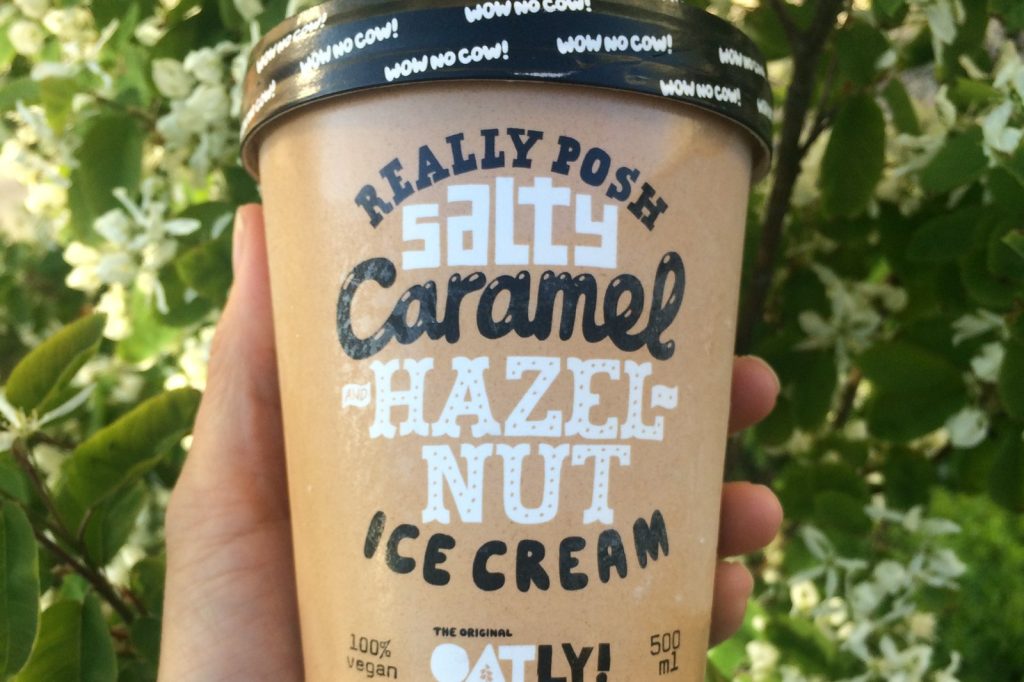
To understand how this shift unfolded, we have to look back at the origins of the company driving much of this conversation. Oatly Group AB is a Swedish food company, publicly traded on the American stock market under the Nasdaq ticker OTLY, that produces alternatives to dairy products from oats, including oat milk. Oatly was formed in the 1990s using research from Lund University, and it was founded in 1994 by food scientist Rickard Öste and his brother Björn Öste. The parent company of Oatly AB is Ceba AB, which was founded by Rickard Öste, Ingegerd Sjöholm, Inger Ahlden and Lennart Lindahl together with the cereals company Skånska Lantmännen on 17 February 1994. From its headquarters in Malmö and a production and development centre in Landskrona, the company grew steadily before changing its name from Havre Global AB on 1 March 2021.
By December 31, 2020, Oatly products were available in 60,000 retail stores and 32,200 coffee shops around the world, with key markets including Sweden, Germany, and the United Kingdom. The footprint expanded further with availability in 11,000 coffee and tea shops in China, and at more than 6,000 retail and specialty shops across the United States, including thousands of Starbucks locations. This massive commercial reach was supported by diverse financial backing over the years. The group included celebrities such as Oprah Winfrey and Jay-Z, as well as Starbucks former chairman and chief executive officer Howard Schultz, alongside institutional investors like Blackstone Inc., Verlinvest, Industrifonden, Östersjöstiftelsen, and the employees.
Botanicals, Fermentation, and the Pharmafication of Beverages
At its heart, the modern café menu is absorbing influences from traditional food cultures, nature, and wellness in a trend the industry recognizes as a move toward complex flavors. According to the Oatly Future of Taste Report, 40% of drinks professionals say herbs and botanicals will shape the future of flavor, making it the number one taste trend in the findings. Ingredients such as ginger, hibiscus, and lavender are gaining attention on menus worldwide. Furthermore, 56% of experts spontaneously mentioned fermentation as a key ingredient trend, bringing items like kombucha, tepache, kvass, and Turkish şalgam onto the radar of modern beverage creators.
This appetite for natural complexity draws deep connections to regionality and storytelling. Lara Sosna of Forkk Studio in Germany notes that people are becoming increasingly interested in flavors that tell a story through herbs, flowers, botanicals, tea, and fermented fruits. To bring these elements together, beverage makers are experimenting with savory pairings like salty olives and brine mixed with refreshing lemon and vegetable juice, often topped with an olive oil oat barista cold foam. These intricate flavor profiles reflect a broader push away from standard menus toward drinks with distinct personality and wellness attributes.
Texture and the Great Café Reconnection in the Age of AI
Beyond flavor, the latest data points to texture playing an increasingly starring role in what customers order. Innovations like coffee jelly and cold foam show that people want a physical experience from their beverages, going far beyond liquid poured over ice. This structural change in the cup matches a parallel shift in why people visit cafés in the first place. With the rise of artificial intelligence and remote working, physical coffee shops are taking on a renewed purpose as social spaces for meeting and spending time.
According to the report, 51% of drinks experts say belonging, community, or connection will be central to the future of cafés. This social reconnection manifests through specialist coffee communities, matcha groups, music-led spaces, and venues built around shared hobbies and interests. While the quality of the drink still matters profoundly to patrons, what happens around the cup has become just as vital for the survival and relevance of the modern neighborhood gathering spot.
The Rise of Non-Coffee and Tea Orders
While coffee remains the anchor of the café experience, the report highlights a significant boom in non-coffee and tea orders. This shift indicates that customers are increasingly seeking variety beyond traditional espresso-based drinks. The expansion of menus to include diverse tea options and other non-coffee beverages reflects a broader desire for different flavor profiles and ritualistic experiences. This trend complements the move toward botanicals and fermentation, as these ingredients often integrate seamlessly into tea-based preparations. As cafés adapt to these changing preferences, the menu is becoming a more complex landscape of choices that cater to specific tastes and wellness goals.
Oat Drink as a Creative Foundation for Beverage Design
While often viewed simply as a dairy substitute, Oatly Group AB highlights that oat drink serves as a “brilliant starting point” for beverage creativity. According to the company, this base allows baristas and café teams to build drinks that patrons do not just order but actively remember. This perspective shifts the role of the ingredient from a passive replacement to an active component in flavor engineering, supporting the broader trend of menus becoming far more expressive and personalized.
The report emphasizes that consumers are expecting more functionality and excitement from their daily beverages. By leveraging the neutral yet textured profile of oat milk, creators can layer in the complex botanical and fermented elements discussed earlier without compromising the drink’s structural integrity. This approach enables the development of wellness drinks with real personality, aligning with the industry’s move toward global flavors and playful textures that define the modern café experience.
Sources
- The End of the Flat White? Oatly’s Future of Taste Report Identifies Four Key Trends Shaping Café Menus
- Oatly
- Bodine Vollering joins EF Education-Oatly | EF Pro Cycling
Photo: Helen Alfvegren (CC BY 2.0)