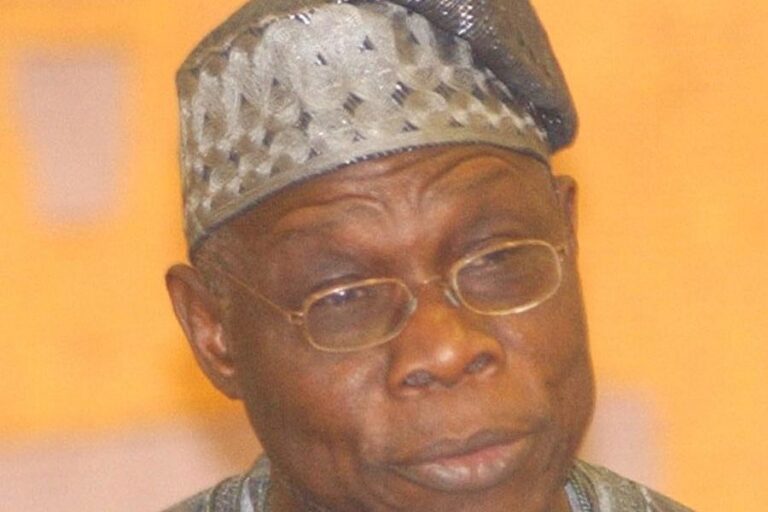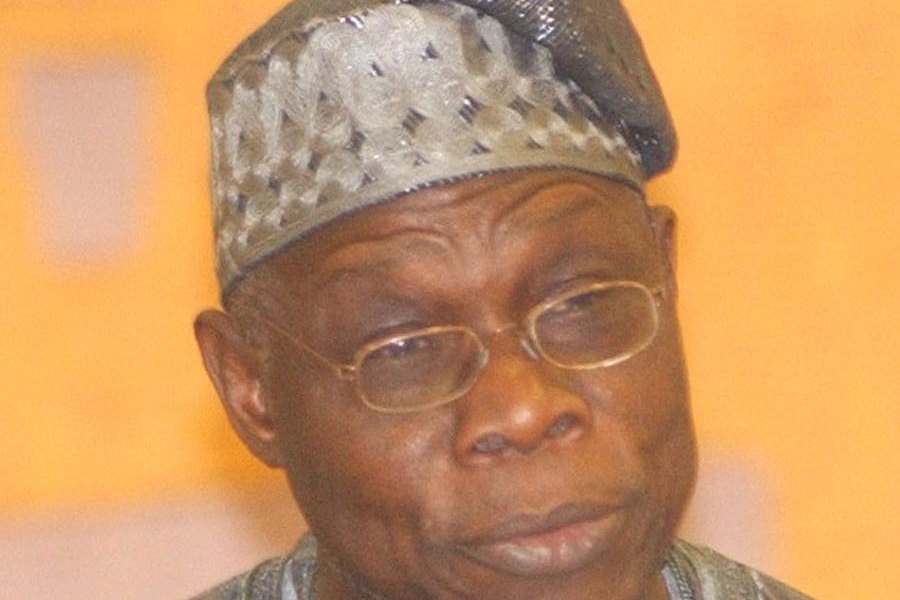
LONDON, October 26, 2026 — Former President Olusegun Obasanjo has condemned the naira devaluation under President Bola Tinubu’s administration, declaring that the policy has impoverished every Nigerian by 300 percent and transformed Africa’s most populous nation into the world’s poverty capital. Speaking at the Financial Times Africa Summit in London, Obasanjo rejected arguments that the reforms require more time, stating plainly, “I don’t see anything getting better.”
< h2>The Weight of a 300 Percent Loss
Obasanjo’s remarks came during a keote interview at the FT Africa Summit, where he was pressed on the economic trajectory of Nigeria since Tinubu took office in May 2023. The former president was unequivocal in his assessment of the currency’s freefall. Within three months of Tinubu’s reforms—which removed the fuel subsidy and allowed the naira to float—the currency collapsed from an average of ₦500 per dollar to approximately ₦1,500 per dollar. Obasanjo argued that this sudden shift erased years of purchasing power for ordinary citizens.
“That made Nigeria become the poverty capital of the world, which means Nigeria has the largest number of poor people in the world,” Obasanjo said. “You cannot say to me that that is good for Nigeria.” He emphasized that the devaluation was not a technical adjustment but a daily reality for families. “We do not live in isolation as a country. We interact with the rest of the world. And overnight, you devalue the currency by 300 per cent. The naira went from N500 to a dollar to N1,500 to a dollar. What that meant was that every Nigerian is made poor by 300 per cent.”
The former president was scathing in his critique of the Tinubu administration’s defense of the reforms. He dismissed the argument that the president simply needs more time to deliver results. “For the economy, I don’t see anything getting better. What policies are you seeing through? You impoverish your people, and you want to see impoverishment through?” he remarked. Obasanjo suggested that the government’s focus on subsidy removal had missed the root cause of Nigeria’s fiscal woes.
< h2>Subsidy, Corruption, and Missed Opportunities
On the contentious issue of the fuel subsidy, Obasanjo offered a nuanced but firm critique. He argued that the subsidy was not the primary problem facing the economy; rather, it was the corruption that surrounded it. “If you are in a very bad economic situation, you must curb corruption,” he said. “And not spend money like a drunken sailor.” He pointed to his own administration’s stalled negotiations with Shell, noting that the British multinational had declined an offer to take over Nigeria’s refineries. According to Obasanjo, Shell cited not only the poor state of the facilities but also the pervasive corruption networks within the Nigerian oil industry as significant hindrances.
Obasanjo’s criticism extended beyond the capital’s economic policies. He also addressed Nigeria’s foreign relations, specifically the decision in August 2023 to cut power supply to the Republic of Niger. According to the former president, Niger had come to rely on Nigeria for its power supply after agreeing not to develop its own generation plans on the Niger River. “Niger relied on Nigeria for its power supply after agreeing not to explore its own power generation plans on the Niger River,” Obasanjo stated, suggesting the move was a strategic miscalculation that strained regional ties.
< h2>A 2025 Verdict on Devaluation’s Limits
Obasanjo’s comments resonate with a growing body of research questioning the efficacy of the devaluation. A 2025 study by Adedeji D Gbadebo at Walter Sisulu University in South Africa found that the currency’s collapse had largely failed to stimulate exports as intended. The study attributed this to Nigeria’s limited export diversification and persistent oil production constraints. “The limited diversification of Nigeria’s export base, coupled with ongoing oil production constraints and global price volatility, has curtailed any potential gains from a weaker currency,” Adedeji noted.
Official data underscores the scale of the adjustment. Before the Central Bank of Nigeria unified the exchange-rate windows on June 14, 2023, the official rate stood at approximately ₦460.8 to the dollar. By October 19, 2026, that rate had fallen to about ₦1,333.54. While headline inflation showed a slight deceleration—dropping to 14.63 percent in September 2026 from 20.98 percent a year earlier—food inflation remained stubbornly high at 19.59 percent. Real GDP grew by 4.43 percent in the second quarter of 2026, and the Minister of Finance, Taiwo Oyedele, announced that subsidy removal had saved the government approximately ₦15.8 trillion between June 2023 and December 2025.
< h2>A Statesman’s Lament
Olusegun Matthew Okikiola Ogunboye Aremu Obasanjo’s life has been defined by transitions—from the rural village of Ibogun-Olaogun to the heights of Nigerian power, and now to the role of outspoken critic. Born in 1937, he rose through the ranks of the Nigerian Army, engineering a career that saw him serve as Military Head of State from 1976 to 1979 and later as elected President from 1999 to 2007. His tenure was marked by efforts to de-politicise the military and combat widespread violence, though his attempts to abolish presidential term limits drew criticism.
Obasanjo’s political journey includes a period of imprisonment under the Sani Abacha regime from 1995 to 1998, which he has consistently denied as a coup plotter. Following his release, he returned to politics, earning a PhD in theology in retirement. Today, at the FT Africa Summit and in interviews such as those published by New African Magazine and Punch NG, Obasanjo uses his considerable platform to challenge the current administration’s economic path. His message is direct: the devaluation has failed the people, corruption must be the first target, and the future looks uncertain if the status quo persists.
Sources
- Olusegun Obasanjo
- Naira devaluation made Nigeria poor, Obasanjo says – New African Magazine
- You impoverished Nigerians, Obasanjo attacks Tinubu’s reforms
Photo: José Cruz/ABr (CC BY 3.0 br)