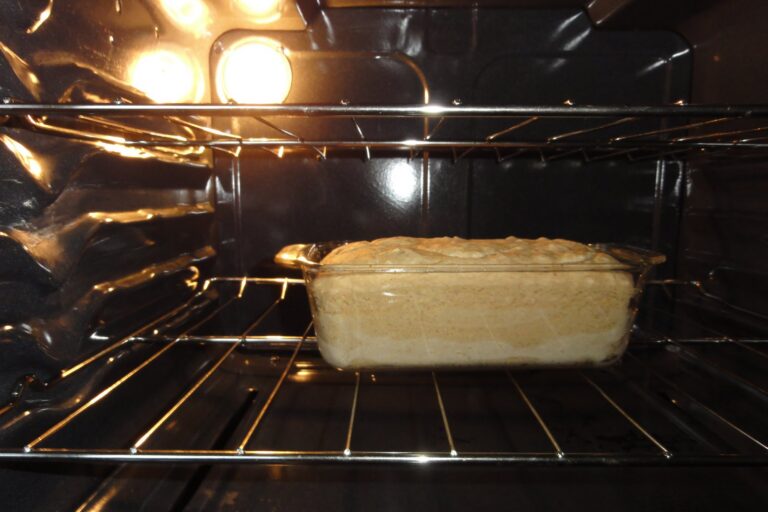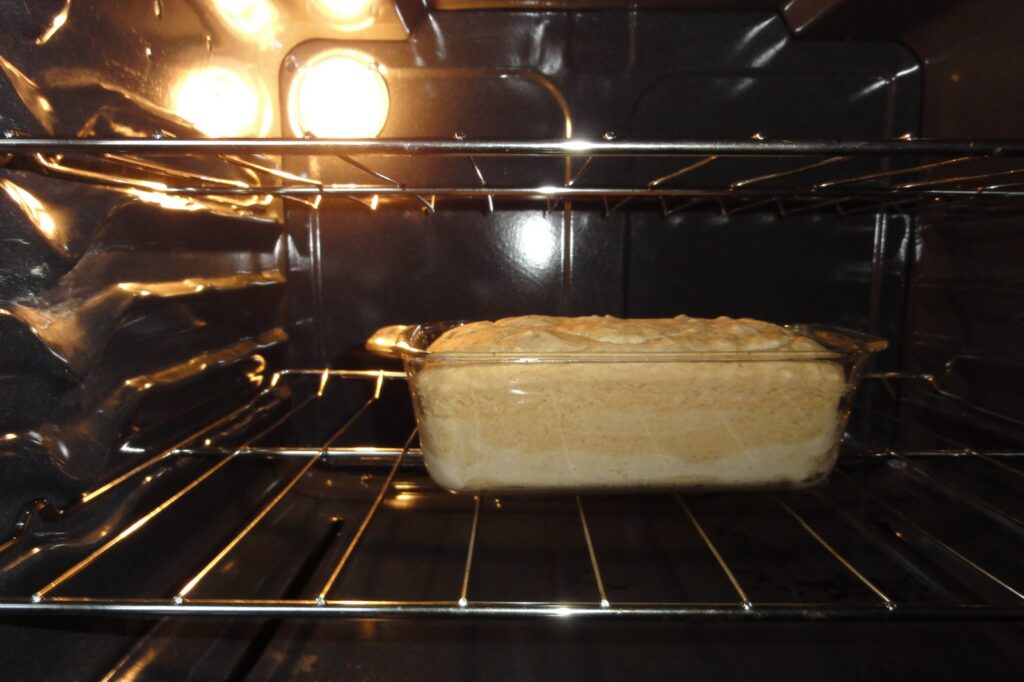
The story begins not in a digital feed, but in a quiet corner of a room where a teenager is focused on the rhythmic clicking of knitting needles or the scent of yeast rising in a dough bowl. This is the heart of “grandmacore,” an aesthetic and lifestyle trend that has moved beyond a fleeting social media fad to become a genuine cultural shift for young people seeking an escape from the relentless pace of modern life. What unfolded over the past year is a quiet rebellion against the constant stimulation of smartphones, with teens and young adults swapping screen time for the tactile satisfaction of traditional, often elderly-associated hobbies.
The Aesthetic of Slowness
At its heart, grandmacore is an embrace of cozy surroundings, vintage decorations, floral patterns, and homemade food. It draws inspiration from the traditional grandmother’s home, prioritizing activities like knitting, sewing, gardening, and embroidery. This movement is particularly appealing to Millennials and Generation Z, who are looking for alternatives to the digital noise that dominates their daily lives. Rather than spending evenings scrolling through feeds, these young people are finding satisfaction in creating something tangible and enjoying a slower pace.
The trend gained significant visibility through TikTok and other social media platforms, where young creators share videos of themselves crocheting, baking bread, and tending to gardens. A January 2025 report highlighted this growing community, noting the rise of creators like Madison Vaughn, whose “Grandma Cottage” TikTok account has amassed approximately 65,400 followers. For many participants, the appeal is emotional and nostalgic, a way to reconnect with a sense of history and comfort that feels increasingly rare in a digital world.
Why Teens Are Choosing the Needle Over the Screen
The shift toward these traditional hobbies is driven by a desire to find “slowness” in daily life. Embroidery entrepreneur Hannah Arnold explained that younger generations are actively making room for hobbies now, rather than postponing enjoyment until retirement. “I think part of it is … the desire to kind of find some slowness in your day,” Arnold said, describing a generational move toward immediate, tangible pleasure over future-oriented productivity.
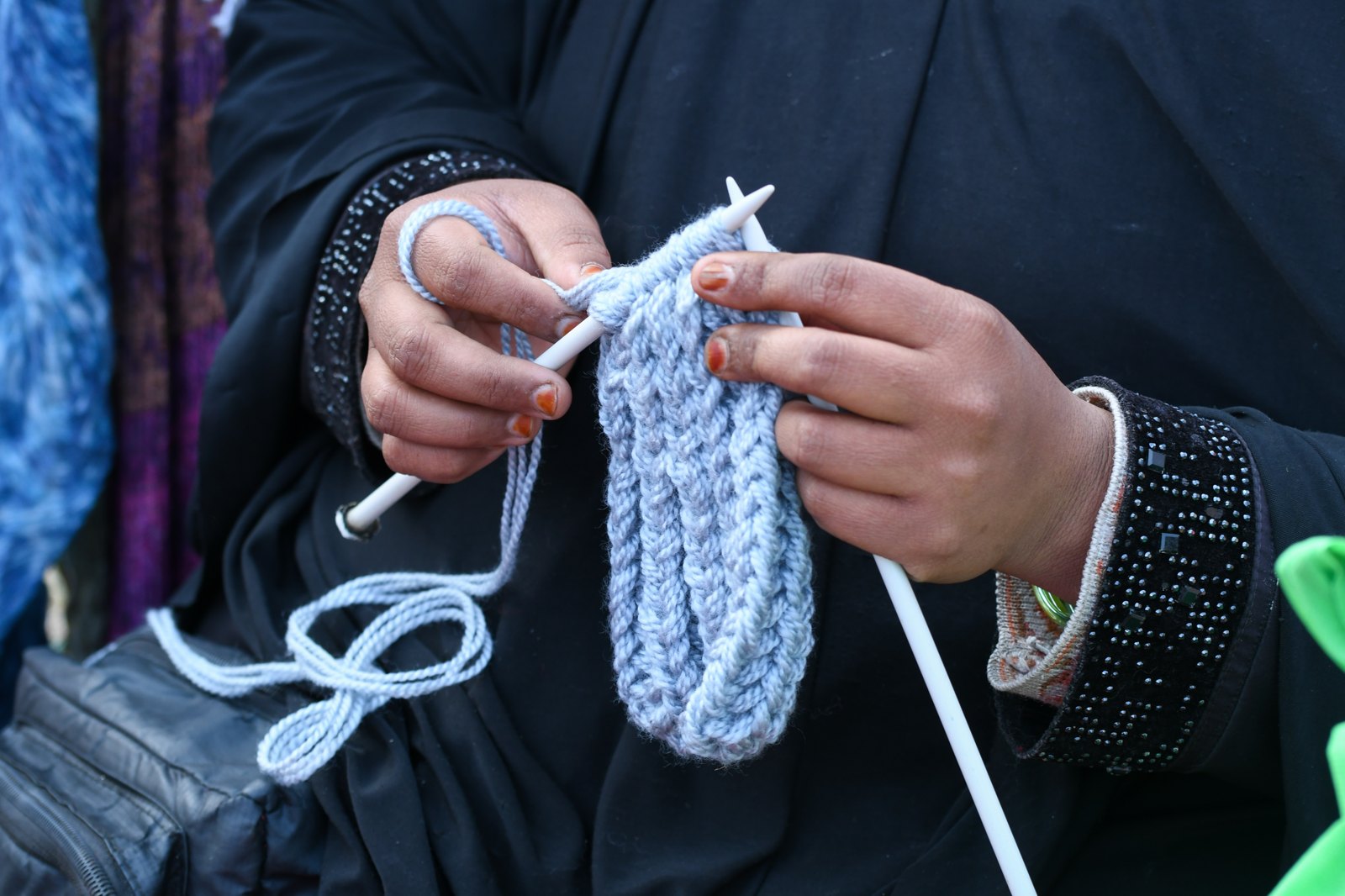
Parents are also noticing this change, observing that their children are using these activities to relax and express themselves. According to experts featured in *Parents*, traditional hobbies provide opportunities for creativity, connection, and stress relief. For teenagers, these pursuits offer a productive way to manage stress that does not depend on grades, popularity, or online attention. Completing a knitting project or growing vegetables provides a sense of accomplishment that is entirely self-contained, offering a mental break from the performance-based nature of social media.
This trend also encourages intergenerational connection. Families are spending more time together, with parents introducing children to hobbies they enjoy and encouraging interactions with grandparents. This dynamic allows kids to experiment without the pressure of being perfect, fostering a sense of community and shared experience that is often lacking in isolated digital interactions.
Craft as a Cultural Counter-Movement
Grandmacore does not exist in a vacuum; it is part of a broader cultural response to economic pressures and the “hustle culture” of the 21st century. It shares DNA with the cottagecore aesthetic, which was first named on Tumblr in 2018 and centers on a rural way of life, sustainability, and agrarianism. Both movements emphasize simplicity and a pastoral life as an escape from the perceived dangers and stresses of the modern world. By encouraging proponents to spend time in nature or in creative practice, these aesthetics facilitate physical and mental self-care.
The emphasis on handmade and artisanal objects reflects a desire for authenticity in a world of mass production. Followers of these aesthetics often purchase secondhand, vintage, or hand-built items, valuing the story and labor behind the object. This preference for tactile, touchable joy stands in stark contrast to the intangible nature of digital consumption. It is a way for young people to ground themselves in the physical world, finding comfort in textures and processes that have remained largely unchanged for centuries.
The Fashion of Grandmacore
The grandmacore aesthetic has not remained confined to hobbies; it has firmly entered the realm of high fashion, particularly through the “grandmacore bag.” Needlepoint, embroidery, and tapestry are taking over handbags far and wide, ranging from chic clutches to large, oversize carryalls. This trend kicked off about a year ago when Valentino launched its DeVain bag in November 2025 as part of its pre-fall 2026 collection under Alessandro Michele. With its beaded details, tapestry textiles, and embroidery, the bag is described as a love letter to a new kind of grandmacore with a dash of boho.
Valentino is not the only luxury house focusing on crafty, comfy bags. Dries Van Noten’s fall/winter 2026 collection features an east-west duffel-style tote adorned with floral tapestry and a large snakeskin-effect patch. This piece evokes a vintage sentiment, resembling an item that could have been picked up on travels in a foreign land decades ago and passed down through generations. The bag serves as a wearable textural wonder, offering a tactile counterpoint to the smooth, digital surfaces of modern life.
Elsewhere, Fendi recently reissued 20 archival versions of the Baguette under chief creative officer Maria Grazia Chiuri. Most of these reissues are collaged in craft, featuring intense zebra-striped beadwork, mirror appliqué, and floral embroidery inspired by South Asian craft. The mirror bag, for example, involves 138 hours of handwork with the Mumbai atelier Chanakya International. These bags are clear nods to craft in a world where fashion, and many other things, move at lightning speed. They offer a bit of slowed-down, tactile luxury that is particularly well-suited for winter and holiday dressing.
Longevity and Cultural Significance
The rise of grandmacore suggests a lasting shift in how young people define leisure and value. It is not merely a trend to be consumed and discarded, but a lifestyle choice that prioritizes well-being and connection. The fact that luxury brands are investing in handcrafted, time-intensive production methods indicates that this aesthetic has moved from the fringe to the mainstream. The 138 hours of handwork required for a single Fendi mirror bag is a stark statistic in an era of fast fashion, highlighting a new premium placed on time and skill.
For those involved, the movement represents a reclaiming of time. By engaging in hobbies that require patience and focus, teens and young adults are asserting control over their moments of rest. The trend’s longevity is supported by its alignment with broader desires for sustainability, mental health, and genuine human connection. As the winter season approaches, the grandmacore bag and the cozy hobbies it represents are poised to become central to how a new generation dresses and lives, proving that the old ways still have a vital place in the modern heart.
Sources
- Grandmacore Is Trending With Teens: Why Kids Are Embracing Grandma Hobbies
- Cottagecore
- Grandmacore Bags Are Bringing Cozy, Crafty Texture to Winter Outfits
- Grandmacore Bags Are Bringing Cozy, Crafty Texture to Winter Outfits – AOL
Photo: Bart Everson (CC BY 2.0)