
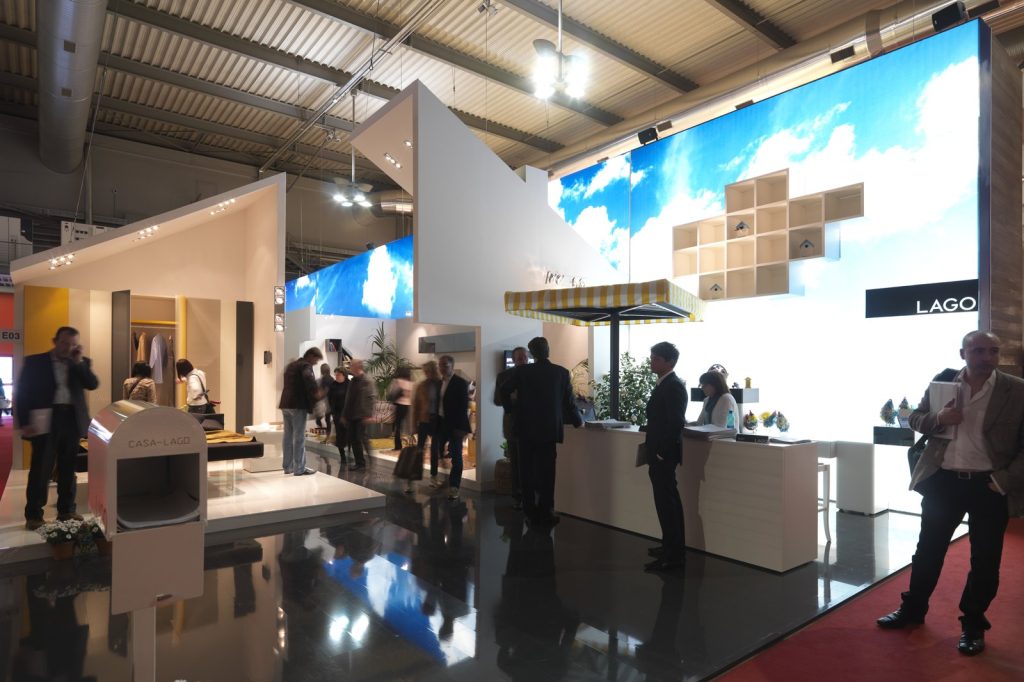
Milan Design Week is a machine for consensus. Year after year, the same global firms, the same materials, the same aesthetic. That is the background noise against which the second episode of the Room For Dreams podcast landed, recorded live in front of an audience in Milan.
The architects on stage, Arun Sharma and Jaskaran Singh, did not come to celebrate the machine. They came to talk about how to turn it against itself.
The term they are actively defining is “digital vernacular.” It is not a nostalgic term. They are not arguing for a return to hand-drawn details or regional quirks as museum objects. The argument is narrower and more precise.
Feed the local patterns, the regional materials, the specific building traditions into AI systems. Let the machine learn from the place, not overwrite it.
The technology that flattens the world, they propose, can be the tool that saves difference. This is a direct challenge to the usual tech anxiety that haunts the profession. The fear is that AI replaces the ornament, the regional quirk, the thing that makes a building belong somewhere.
Sharma and Singh flip that script. They frame AI as an unexpected ally for keeping local identity alive. The question that hangs over Milan Design Week every year — can architecture embrace the future without losing its soul? — gets a specific answer from them.
One word: vernacular. Not as a fixed thing.
As a living language. The timing is deliberate. Milan Design Week draws the global architecture world to one place.
The pressure to conform is immense. Sharma and Singh are pushing back against that sameness.
They are not alone. The Room For Dreams podcast, now two episodes in, is positioning itself as a platform for exactly this kind of rethinking. The live recording format gives the exchanges an edge.
No polished talking points. No rehearsed answers. Just architects working through a problem in real time.
Where this leads is not yet clear. The digital vernacular is a term still being defined.
The architects describe a process, not a finished product. They feed regional patterns into AI. The machine learns from them.
But what comes out the other end? That is the open question.
The podcast episode does not pretend to have a tidy answer. It wrestles with the problem. That is the point.
The forces behind this are straightforward. Globalized architecture produces glass towers that look the same in Milan, Shanghai, or Dubai. Local identity gets squeezed out.
The architects are arguing that technology, the very thing driving the sameness, can be turned into a preservation tool. It is a counterintuitive move.
It is also a practical one. You cannot stop technology. You can try to bend it toward what matters.
Sharma and Singh are not proposing a return to the past. They are proposing a way to carry the past forward.
That is the difference between a museum piece and a living language. The digital vernacular, if it works, keeps local identity breathing. It does not freeze it.
That is a harder task than nostalgia. It is also the only one that matters.




