Tents built for about 5,000 people at Guantánamo, bought for $2.85 million, never held a detainee. They did not meet federal standards. By June the base was averaging just 16 detained migrants a day.
That is one of the stories in a Government Accountability Office report released Thursday on how U.S. Immigration and Customs Enforcement has expanded its detention system. GAO found six major initiatives launched without a comprehensive strategic plan: no clear answer on where capacity was needed, what it would cost to maintain, or which facilities would really be necessary. The result was stalled projects, course corrections and wasted money, just as ICE prepares to handle tens of billions of additional dollars.
The scale of the push
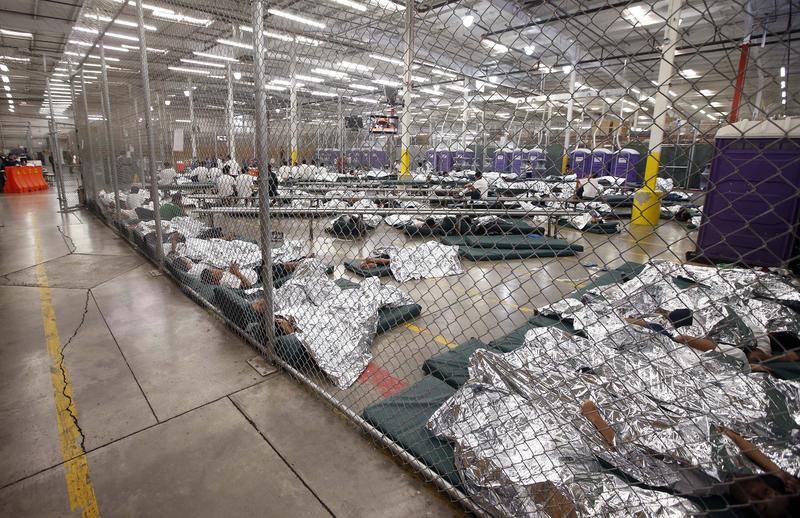
The number of people in ICE custody went from about 39,000 in January 2025 to roughly 67,000 on July 30, 2026. Congress approved $45 billion to expand detention capacity in the One Big Beautiful Bill Act.
The warehouses are the clearest case. ICE spent about $1.07 billion buying 11 of them to convert into detention centers, then decided to sell seven. None ever housed a detainee. The review counted nearly $20 million in unrecoverable costs for services, security, utilities and other expenses tied to the properties. Of the other four, renovation plans for the ones in Arizona and Maryland were put on hold by legal challenges, and bringing them up to standard was estimated to cost hundreds of millions.
Food for an empty camp
At Camp East Montana in El Paso, Texas, the government bought $7.1 million in food it did not need, then spent another $11.5 million on services over two weeks while the center sat empty.
In Florida, the federal government set aside up to $608 million to reimburse the state for running the facility known as Alligator Alcatraz. GAO put the cost at $249 per detainee per day, against the $92 ICE normally pays, a gap of 171 percent. The facility closed in June. A separate agreement with the Federal Bureau of Prisons covers eight centers and makes ICE pay the full cost of running them, overtime and temporary staff included, at an average of $182 per detainee per day.
Even as some projects stalled, ICE kept buying. In July it acquired two private detention centers in California for $1.47 billion. In August it bought two more, in Kansas and Minnesota, for $734 million. GAO noted that the agency had not assessed what those facilities would cost to maintain over the long term.
Heather MacLeod, GAO’s director for Homeland Security and Justice, summed it up: the lack of planning led to “stops and starts” that ultimately resulted in waste. The Department of Homeland Security defended the pace of the expansion and pointed out that the new funding from Congress lets ICE move ahead with its operations.