A Louisiana family makes gumbo in Minnesota. Not because Minnesota is short of dinner options, but because the pot reminds them who they are. That small act sits at the centre of how many American families hold onto their culture: through what they cook, and how they sit down to eat it.
Weekly and yearly anchors
Plenty of households still keep a Sunday dinner, a custom with roots in European and American culture. The menu barely changes. Roast chicken or pot roast turns up week after week, and that sameness is the point. Breakfast does the same job on a smaller scale: pancakes on Saturday, bagels on Sunday, oatmeal on weekdays. Children tend to remember these modest rituals as fondly as holiday feasts, because they happened so reliably.
Some dishes appear only once a year. A grandmother’s tamales at Christmas, a great-aunt’s cranberry sauce at Thanksgiving. When a younger relative learns to make them, they are taking over more than a recipe. They are taking responsibility for the memory. Families that put up pickles in summer, apple butter in autumn and marmalade in winter tie the year to the harvest, and children learn where food comes from.
Cooking across borders
For first and second-generation immigrant families, food is often the strongest link to the old country. Ingredients may have to come from specialty shops, which takes extra effort, but the kitchen becomes a classroom where language, history and values are passed on with the technique. Street snacks cross over too: Filipino turon, Mexican elote, Indian chaat, Turkish simit. Making them at home shows children the everyday culture of their parents’ homeland, not just the formal holiday version.
Gardens do similar work. Italian families grow tomatoes and basil, Mexican families cilantro and chiles, Vietnamese families lemongrass and Thai basil. Children who help learn patience and the pleasure of eating what they grew.
In multicultural homes, traditions blend. Korean tacos, Italian-Indian curry pasta and Mexican-Filipino lumpia are the sort of dishes that grow out of two heritages sharing one table.
Rules at the table
Faith shapes the kitchen as well. Some homes keep kosher or eat only halal, others observe Lent or follow Hindu vegetarian practice, and these rules decide how families shop, cook and eat together. Even manners carry values: waiting until everyone is seated, saying grace, eating with hands or utensils, sitting on the floor or at a table. Children absorb these unspoken rules and often repeat them when they start households of their own.
Then there are the cooking marathons, where extended family gathers to make pierogi, roll grape leaves or turn out dozens of tamales. They are social events as much as work, full of talk and laughter. Birthdays have their own rituals: a particular cake recipe, breakfast in bed, a choice of any dinner.
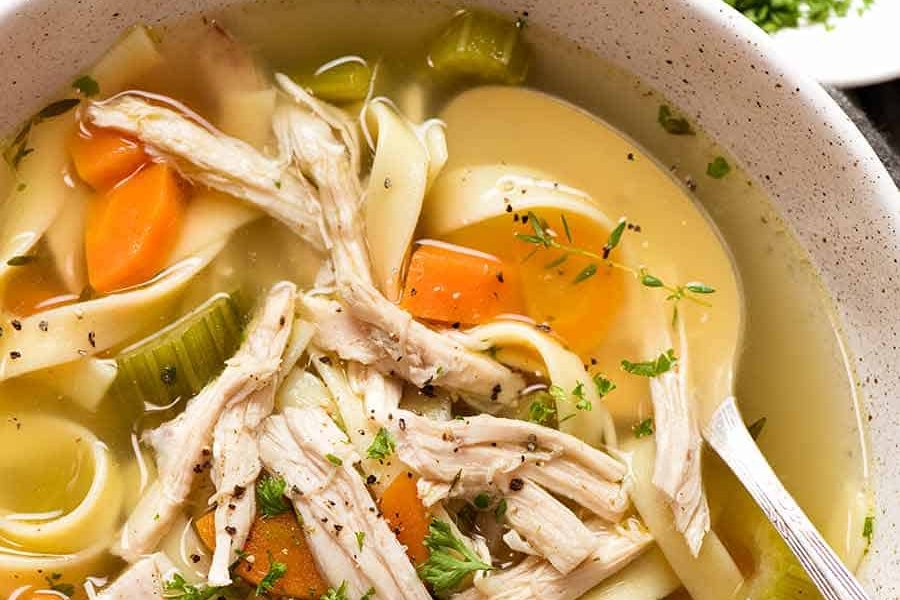
The stories come with the food. A certain soup prompts the tale of how great-grandparents survived hard times, and a celebratory dish leads to weddings and reunions. Cooking from scratch is harder than it was, but the families who still do it are, in the end, deciding what to carry forward.