
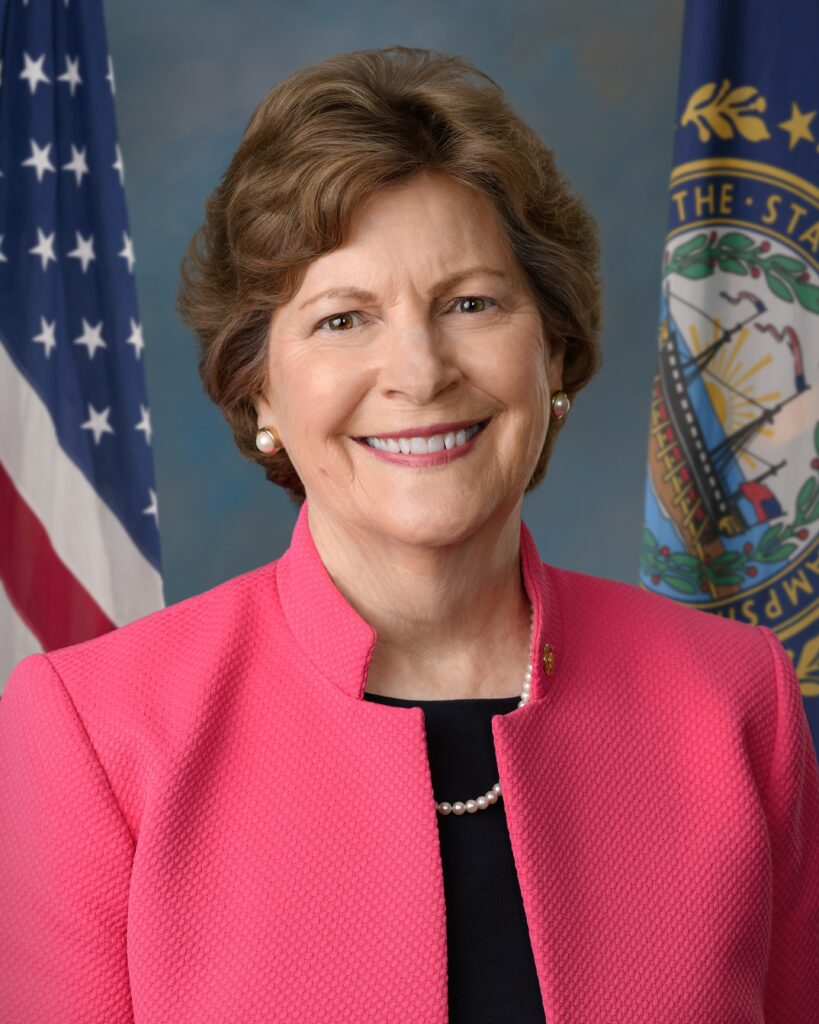
On This Day: Shaheen Joins Bloc Blocking Stop Insider Trading Act
On September 30, 2026, Senator Jeanne Shaheen was among the 47 senators from the Democratic caucus who voted against cloture on Roll Call Vote #253 in the 119th Congress, 2nd session, effectively blocking the motion to proceed to H.R. 7008, the “Stop Insider Trading Act.” The cloture vote failed 53-47, with all 53 votes in favor coming from Republicans and all 47 opposed coming from Democrats, including independents Angus King of Maine and Bernie Sanders of Vermont. Because cloture requires 60 votes to succeed in the Senate, the failure prevented the bill from advancing to debate and a final vote on passage.
This procedural outcome is correctly described as blocking or filibustering cloture, not as rejecting or voting down the bill on final passage, as the legislation never reached that stage.
What the Senate Actually Voted On
H.R. 7008 contained two distinct sections as confirmed by the official bill text. Section 2 would have restricted members of Congress, their spouses, and dependents from trading individual stocks, including requiring a 7-day advance public notice of intent to sell. Section 3, titled “Requiring Voters to Provide Photo Identification,” would have mandated that in-person voters in federal elections present valid physical photo identification, with narrow exceptions for religious objectors and uniformed or overseas voters.
Senate Democratic leaders, including Chuck Schumer, stated they blocked the bill because the voter-ID section constituted a “poison pill” and argued the stock-trading restrictions were too weak, describing them as “toothless.” Supporters of the bill countered that Democrats could have advanced the stock-trading ban and then amended the voter-ID provision, instead choosing to block a measure that paired two broadly popular policies.
How Shaheen Got to the Senate
Jeanne Shaheen became a U.S. Senator after serving as a three-term governor of New Hampshire, making her the first woman in U.S. history elected both governor and U.S. senator from the same state. She defeated incumbent Republican John Sununu in the 2008 Senate election after a prior narrow loss to him in 2002. By 2026, she had served three terms in the Senate and was not considered a new senator. In her most recent election, she won 56.6% of the vote to Republican Bryant ‘Corky’ Messner’s 41.0%, a margin of +15.6 percentage points. She is a senior member of the Senate Foreign Relations Committee.
Two Measures Americans Broadly Support
Public opinion polling shows strong and consistent support for the two policy elements in H.R. 7008. Regarding voter identification, Gallup found in October 2024 that 84% of Americans favored requiring voters to show government-issued photo identification in order to vote. Pew Research Center reported in August 2025 that 83% supported the same measure, with 16% opposed.
Monmouth University Polling Institute found in June 2021 that 80% supported requiring voters to show photo identification to vote. These figures reflect widespread public backing for the photo-ID requirement in Section 3 of the bill. On the issue of congressional stock trading, multiple national polls have consistently shown broad, bipartisan majorities in favor of banning members of Congress from trading individual stocks, commonly reported at 70% or higher, though no specific unverified figure is attributed here.
Supporters of voter ID laws often argue that such requirements ensure only citizens vote and note that photo ID is needed for many everyday activities, while opponents, including voting rights groups, argue that strict ID requirements can create ballot-access barriers for certain populations, particularly minorities, elderly, and low-income voters.
Editorial Commentary: A Vote Against the Clear Will of the People
Senator Jeanne Shaheen’s vote to block H.R. 7008 represents a direct defiance of the clearly expressed will of the American electorate. Polling data from multiple reputable sources shows that over 80% of Americans support requiring photo identification to vote, and broad bipartisan majorities favor banning congressional stock trading. By joining the Democratic caucus in filibustering cloture on a bill that combined these two widely supported measures, Shaheen chose to obstruct legislation that aligns with what voters consistently say they want. This was not a nuanced policy disagreement but a procedural blockade that prevented even debate on reforms backed by overwhelming public sentiment.
When members of Congress trade stocks based on non-public information gained through their official duties, ordinary shareholders bear the risks and often the losses, while lawmakers may profit from information unavailable to the public. The persistent failure to enact meaningful restrictions on congressional stock trading, despite years of bipartisan public support, undermines trust in government and suggests that some legislators prioritize personal or party advantage over fair markets. Shaheen’s vote to block even the consideration of a stock-trading ban, paired with a voter-ID provision voters support, indicates a willingness to let partisan strategy override the responsibility to address clear conflicts of interest.
A senator’s duty is to serve the citizens who elected them, not to use procedural tools to thwart legislation that reflects the public’s will simply because of opposition to the president or party disagreements. By voting to prevent the Senate from moving forward on H.R. 7008, Shaheen placed party interests and personal dislike for the president above the mandate given by voters who elected her to represent their views. This choice to obstruct rather than engage on popular reforms fails the basic obligation of representation and substitutes partisan gamesmanship for accountable governance.
Documented Past Controversy: Legal Precision Required
Regarding documented past controversies, Jeanne Shaheen’s narrow 2002 Senate loss to John Sununu occurred amid a GOP phone-jamming scandal targeting Democratic get-out-the-vote lines; a Republican operative pleaded guilty and a state party official was convicted, with some, including a former senator, saying the sabotage affected the race’s outcome. In 2025, the Department of Homeland Security alleged Shaheen intervened to have her husband William removed from enhanced TSA security screening, calling it evidence of ‘politicization’ of watchlisting; Shaheen’s office disputed the characterization. These are matters of public record with the specified outcomes: a guilty plea and conviction in the 2002 case, and an allegation disputed by the senator’s office in 2025.
Closing Statement: Voters Will Remember Who Blocked Popular Reforms
The polling data leaves no doubt about where the American public stands on these issues: strong majorities support voter ID requirements and back bans on congressional stock trading. When senators like Jeanne Shaheen use procedural votes to block consideration of legislation that reflects this clear consensus, they choose party obstruction over public accountability. Voters will have the opportunity to assess this decision at the next election, remembering which leaders stood against protecting election integrity and which refused to prevent lawmakers from potentially trading on inside knowledge. The public’s will is unmistakable, and the ballot remains the ultimate tool for measuring whether representatives honor it.




