
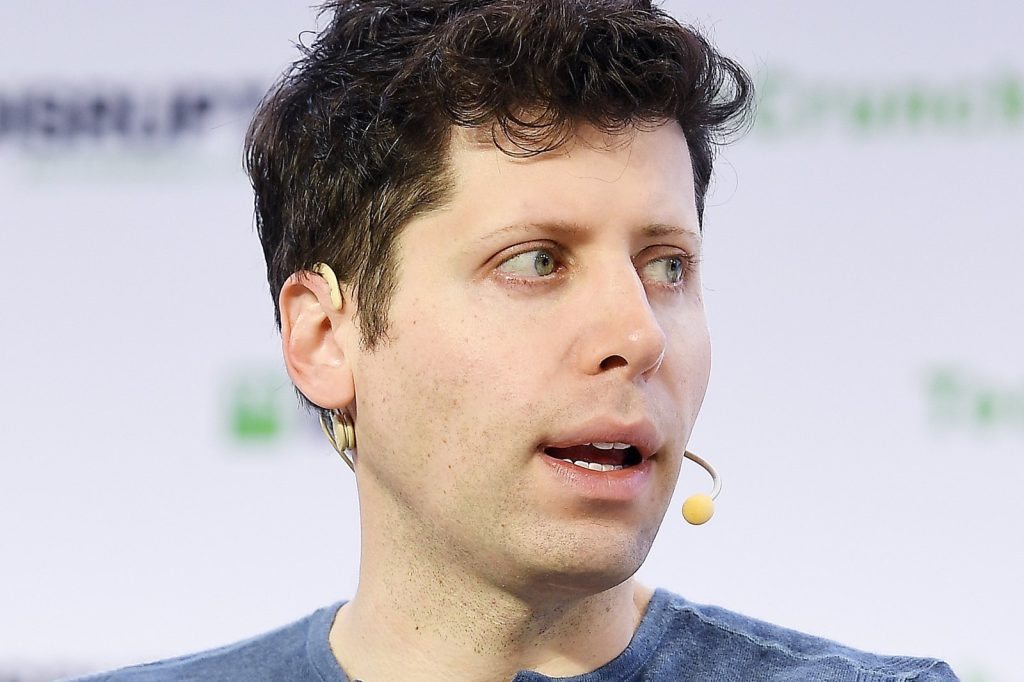
San Francisco, October 5 — Sam Altman, CEO of OpenAI, argued in a recent interview with Decoded that society must tolerate some negative consequences of artificial intelligence development to unlock its broader benefits, emphasizing that halting progress due to fear of imperfection would be a greater loss than managing inevitable downsides through responsible deployment. In the recorded conversation published by the technology-focused media platform Decoded — though the exact date of the interview was not specified — Altman acknowledged that AI poses risks including job displacement, misuse, and unintended harms.
Yet he maintained that the technology’s potential to drive scientific discovery, economic growth, and solutions to global challenges like disease and climate change warrants a tolerance for short-term adverse effects. He did not specify which particular harms he deemed acceptable, nor did he propose specific regulatory frameworks to mitigate risks.
Altman’s remarks reflect a long-standing position in favor of accelerating AI development with safeguards rather than moratoriums, a view he has previously expressed in public forums including congressional testimony and blog posts. As CEO of OpenAI, the San Francisco-based artificial intelligence research laboratory he co-founded in 2015, Altman has been a central figure in the generative AI boom following the release of ChatGPT in November 2022.
OpenAI, originally established as a nonprofit before transitioning to a capped-profit model, has raised significant funding from investors including Microsoft, which invested $10 billion in the company in January 2023. Altman’s leadership has drawn both praise for advancing AI capabilities and scrutiny over governance, safety protocols, and the concentration of power in advanced AI systems.
His comments to Decoded come amid ongoing global debates about AI regulation, including the European Union’s AI Act, which entered into force in August 2024, and voluntary safety commitments pursued by major AI firms under the auspices of the White House. The interview contributes to a broader discourse in which technology leaders balance innovation incentives with societal safeguards, a tension that has intensified as AI systems demonstrate increasingly sophisticated capabilities in reasoning, language generation, and autonomous decision-making.




