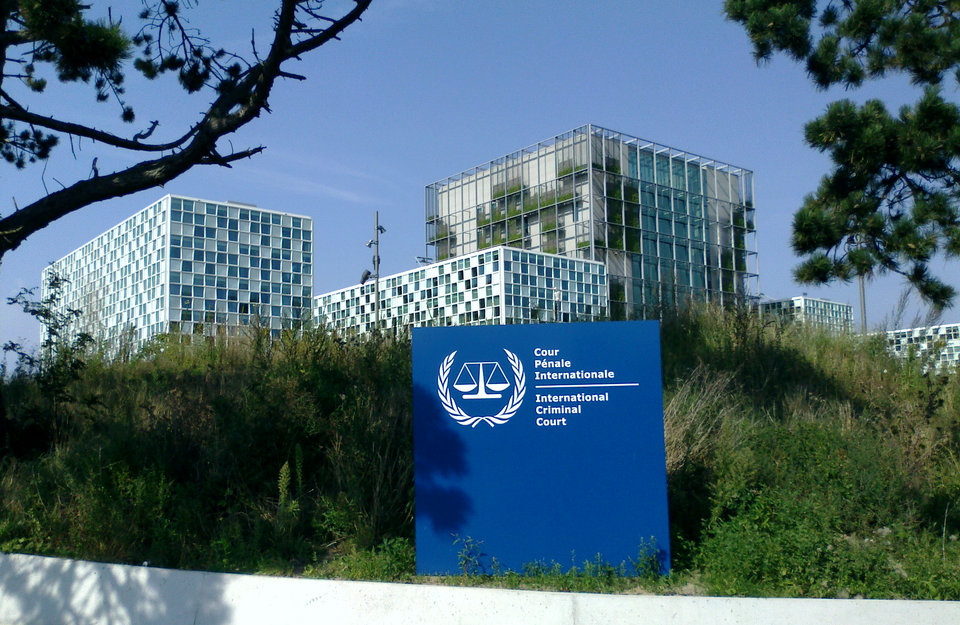
“It is always a shock to see your name appear on the same list as drug traffickers and terrorists when you are a judge committed to upholding the rule of law.” That is how Tomoko Akane described the moment Washington sanctioned her, in answers she gave to El Pais. Within days her credit card was suspended. She is president of the International Criminal Court, and she has stayed at her desk.
A prosecutor from Japan
Born in 1956, Akane was appointed a prosecutor in 1982. She worked at the Supreme Public Prosecutors Office and later led the Hakodate District Public Prosecutors Office as its top prosecutor, according to The Asahi Shimbun. She became an ICC judge in 2018 and was chosen president in March 2024, the first Japanese judge to hold the post. By her own account, a commitment to justice has driven her since her junior high school years.
The court she runs is young. Founded in 2002, it is the world’s only permanent tribunal for genocide, war crimes and crimes against humanity, and it has opened 18 investigations. Akane’s term as president ends in March 2027, the same year her statutory nine-year tenure as a judge finishes.
Warrants, sanctions and a Russian verdict
In 2023 Akane sat on the Pre-Trial Chamber that issued an arrest warrant for Russian President Vladimir Putin over the alleged forcible deportation of Ukrainian children. Moscow’s courts later convicted her in absentia.
The American pressure came from a different direction. The administration of U.S. President Donald Trump has called the court “corrupt and fatally politicized,” and Secretary of State Marco Rubio has said he intends to dismantle it. In August 2026 the United States sanctioned Akane together with Senegalese prosecutor Abdoulaye Seye, barring her from U.S. territory. She is one of 13 judges, prosecutors and staff members of the court under sanctions. The Asahi Shimbun noted that the U.S. measures from 2025 are said to stem from the court’s investigation touching American soldiers in Afghanistan and its warrant for Israeli Prime Minister Benjamin Netanyahu.
Then came October 9, when Washington announced sanctions against the court itself. Akane told the Asahi that the difference in scale is large. Funds held in the United States have been frozen, and relations with U.S.-based nongovernmental organizations have become hard to maintain. “But our activities have not stopped,” she said.
Her own count, given to El Pais, shows how far the pressure reaches: nine of the court’s eighteen judges, both deputy prosecutors, the former prosecutor and one staff member have been designated by the United States. Nine current and former judges, including the whole presidency, have been convicted in absentia in Russia. Two-thirds of the bench, she said, faces coercive measures from powerful states.
What she asks of member states
Akane has pressed the court’s 125 member states for three things: political solidarity, steady financial contributions, and cooperation in arresting and handing over people named in warrants. The court has no police force, she noted, and none of its current proceedings would have been possible without states making arrests. “Arrest warrants issued by the Court do not expire,” she said.
Some support has come. The foreign ministers of the Group of Seven, excluding the United States, issued a statement backing the court, and the European Parliament gave this year’s Sakharov Prize to the ICC. Japan did not join 79 other nations and regions last year in opposing U.S. sanctions on ICC judges, but this year it joined seven other nations in a joint foreign ministers’ statement. Akane welcomed that change in tone. More than 174,000 people in Japan signed petitions, she said.
Her message to Japanese readers was plain. A judge in a Japanese trial should not be bribed or leaned on by a politician, and the same should hold globally. The ICC’s assembly of member states meets in The Hague from Nov. 30 to Dec. 7 to decide what to do about the sanctions. The trial of former Philippine president Rodrigo Duterte is expected to begin in November.
Sources
- INTERVIEW/ Tomoko Akane: ICC will not be bullied despite contending with U.S. sanctions | The Asahi Shimbun: Breaking News, Japan News and Analysis
- Tomoko Akane, president of the International Criminal Court: ‘History sooner or later will call us all to account. Where were you?’ | International | EL PAÍS English