
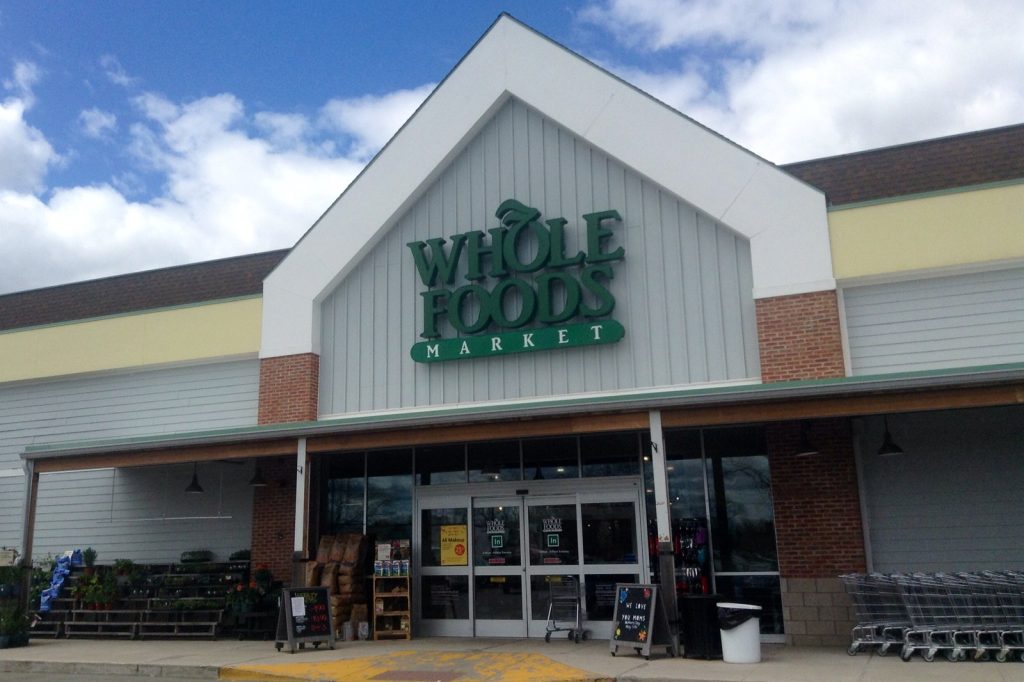
AUSTIN, TEXAS, October 17, 2026 —
Whole Foods Market’s 2027 trend predictions—terroir, beauty-from-within foods, and bitter flavors—are the latest proof of how a Texas health food store became the world’s most influential grocery prognosticator. The chain’s journey from a $45,000 Austin startup to Amazon’s $13.7 billion acquisition is a story of resilience, corporate ambition, and a relentless focus on what customers will crave next.
The Store That Wouldn’t Drown
The story begins in 1978, when John Mackey and Renee Lawson borrowed $45,000 from family and friends to open SaferWay, a vegetarian natural foods store in Austin. The name was a playful jab at Safeway, but the business was anything but frivolous. Mackey and Lawson lived at the store—no shower, just a water hose hooked to the dishwasher—because they couldn’t afford anywhere else. Two years later, they merged with Clarksville Natural Grocery, rebranding as Whole Foods Market and adding meat to their shelves. At 10,500 square feet with 19 staff, it was already bigger than most health food stores of the time.
Then came the flood. On May 25, 1981, Austin’s worst deluge in a century ruined Whole Foods’ inventory and equipment, wiping out $400,000 in losses. The company had no insurance. But the flood didn’t break Whole Foods. Customers, neighbors, and creditors rallied to help. The store reopened in 28 days, a testament to the community-driven ethos that would define it. For Mackey and Lawson, the flood wasn’t a setback—it was proof that Whole Foods wasn’t just a business. It was a movement.
How a Grocery Chain Built an Empire
By the early 1990s, Whole Foods had outgrown Austin. The company went public in 1992, listing on Nasdaq as WFM, and began a decade-long acquisition spree. It bought Wellspring Grocery in North Carolina, Bread & Circus in Massachusetts, and Fresh Fields Markets on the East Coast for $134.5 million in stock. By 1999, it had 100 stores across the U.S. The strategy was simple: dominate the organic market by swallowing competitors whole.
The numbers tell the story. In 2017, Amazon paid $13.7 billion for Whole Foods, integrating it into Prime and expanding its reach to over 500 stores in North America and the UK by 2019. For Mackey, the sale marked the end of an era. As the last remaining co-founder, he sold his stake, stepping away from the company he had built. The acquisition wasn’t just a financial windfall—it was a bet on Whole Foods’ ability to shape the future of grocery shopping.
The Trends Council: How Whole Foods Predicts the Future
Today, Whole Foods doesn’t just follow food trends—it sets them. The company’s Trends Council, a team of foragers, buyers, and culinary experts, spends the year in farmers’ markets, trade shows, and restaurants, hunting for what’s next. Their 2027 predictions—terroir, beauty-from-within foods, and bitter flavors—are already influencing menus and grocery aisles.
Terroir, once confined to wine, now extends to olive oils, honey, and even seafood (merroir). Whole Foods stocks single-estate olive oils, Parmigiano Reggiano from Parma, and Norwegian Steelhead Trout, all chosen for their distinct regional flavors. Meanwhile, the “beauty-from-within” trend has turned sardines and oysters into skincare staples, with collagen jelly sticks and olive oil shots blurring the line between snack and supplement.
Sonya Gafsi Oblisk, Whole Foods’ Chief Merchandising & Marketing Officer, calls these trends a reflection of consumer demand for “simpler, whole-food ingredients.” The company’s LEAP Early Growth Cohort—brands like HEYDOH single-origin soy sauce—shows how Whole Foods nurtures innovation. But the real question is whether it can keep leading trends under Amazon’s corporate umbrella.
A Legacy of Disruption—and Doubt
Whole Foods’ rise was built on two pillars: a commitment to organic food and a knack for spotting what’s next. It pushed fermented foods and regenerative agriculture long before they were mainstream. It turned specialty items into everyday staples. And it made provenance a selling point, from single-origin coffee to named-source grains.
Yet the Amazon acquisition has left some wondering if Whole Foods can stay true to its roots. The company’s 500-plus stores and Prime integration have made it a bellwether for organic grocery adoption, but its future under corporate ownership remains uncertain. For now, the Trends Council keeps predicting. The question is whether the world will keep listening.
The Role of Community in Whole Foods’ Resilience
Whole Foods Market’s ability to recover from the 1981 flood was not just a testament to its founders’ determination but also to the power of community support. After the flood caused $400,000 in damages and left the store without insurance, customers, neighbors, and staff rallied to help clean, repair, and rebuild. Creditors, vendors, and investors also played a crucial role in the recovery effort, allowing the store to reopen in just 28 days. This collective response underscored the deep connection Whole Foods had fostered with its community, a connection that would become a cornerstone of its identity.
This community-driven ethos continued to shape Whole Foods as it expanded. From its early days in Austin to its national growth, the company prioritized local relationships, sourcing products from regional suppliers and engaging with local communities. This approach not only strengthened its brand but also reinforced its reputation as a business that cared about more than just profits. The flood, in many ways, became a defining moment that highlighted the importance of community in Whole Foods’ resilience and long-term success.
Sources
- Whole Foods Market
- The Next Big Things: Our Top Food Trend Predictions for 2027 | Whole Foods Market
- Whole Foods Market Reveals Its Top Food and Beverage Trend Predictions for 2027
Photo: ajay_suresh (CC BY 4.0)




