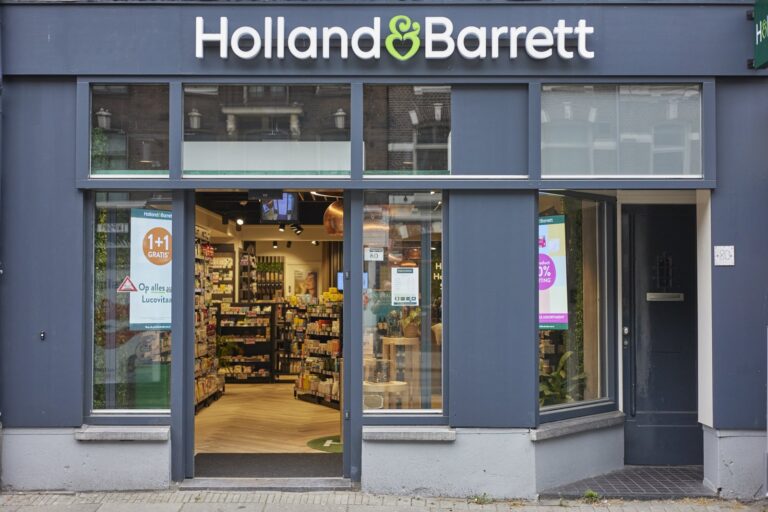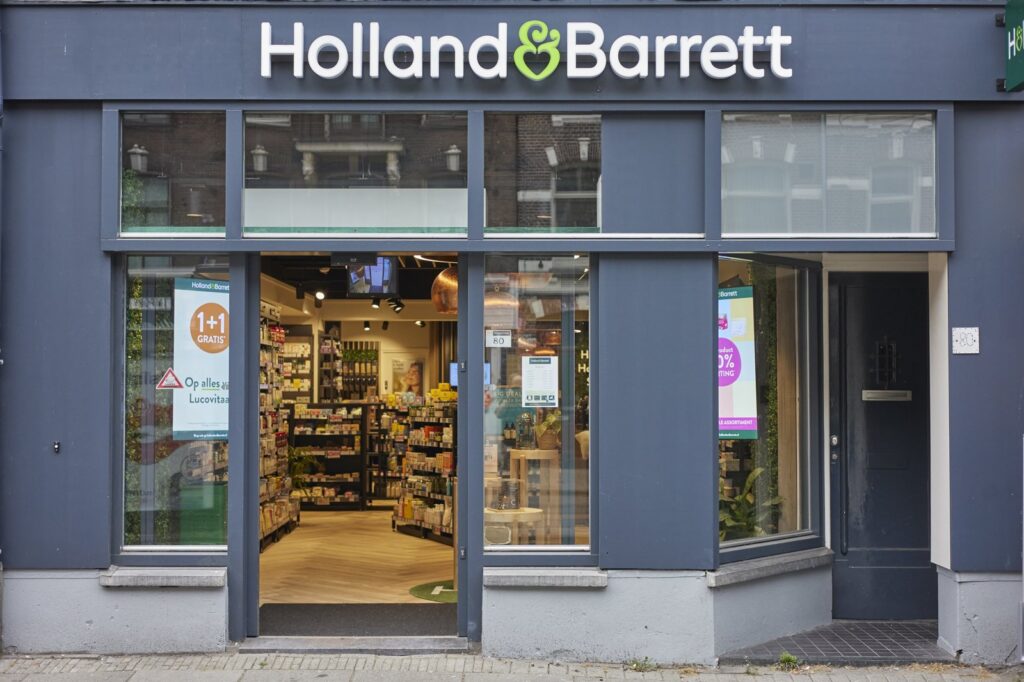
Holland & Barrett forecasts a shift toward simpler, more targeted wellness in 2027, as consumers grow weary of constant digital tracking and seek meaningful health rituals.
The Story Begins with a Backlash
The story begins with a growing consumer backlash against obsessive health data tracking and digital fatigue. Lina Chan, director of women’s health at Holland & Barrett, notes that modern life’s pressures have left many feeling tired, despite wellness efforts. “The 2020s built a faster, hotter, more artificial world,” she says, “one where AI is everywhere, pharmaceutical shortcuts promise quick fixes, and stimulation never really switches off.”
This fatigue has sparked a reevaluation of how people manage their health. Instead of relying on constant monitoring, consumers are seeking simpler, more meaningful ways to support their wellbeing. According to Holland & Barrett’s 2027 wellness trends report, 57 percent of people only listen to their body when something already feels off.
At Its Heart: Nervous System Health and Hydration
At its heart, the shift is about prioritizing nervous system health and hydration. In 2026, magnesium topped consumer searches on Holland & Barrett’s website with 32.8 million queries, followed by collagen at 29.4 million. Magnesium Bisglycinate led sales with nearly 45 million capsules sold, reflecting a focus on regulation and balance.
Climate stress and rising temperatures are also driving interest in cooling therapies and hydration products. The global hydration supplement market is projected to grow from £31 billion in 2026 to £66 billion by 2036. Emily Reed, head of innovation pipeline at Holland & Barrett, observes, “Heat affects everything—our energy, hydration, skin, even how we exercise. Cooling is becoming such a hot space in wellness right now.”
For Those Involved: Functional Nutrition and Accessible Rituals
For those involved in the wellness industry, the focus is on functional nutrition and accessible rituals. Alex Glover, global product formation lead at Holland & Barrett, expects to see more targeted nutrition using precision-fermented proteins and convenient formats. “Some of the best products contain just a handful of carefully selected ingredients at meaningful, evidence-based doses,” he says. “Less can really be more.”
Halotherapy, or salt therapy, is gaining traction in the UK after rapid growth in the US. Sessions involve lying in ‘caves’ where pharmaceutical-grade salt is pumped through the air, believed to aid respiratory and skin conditions. The global salt therapy market is expected to grow by more than nine percent in the next decade.
As 2027 approaches, the wellness landscape is poised for a simpler, more targeted approach, one that prioritizes balance, hydration, and meaningful rituals over constant optimization.
The global hydration supplement market is on track to grow from £31 billion in 2026 to £66 billion by 2036, driven by soaring temperatures and climate stress.
Sources
- The Wellness Trends Set To Take Over 2027, According To The Experts
- Holland & Barrett forecasts shift towards simpler, more targeted wellness in 2027
- 7 Wellness Trends Set To Dominate 2027
Photo: Sambracke (CC BY-SA 4.0)