The story begins in a university amphitheatre on a cold Sunday, where students queue before dawn to trade last season’s jeans for a vintage jacket, and in a Detroit loft where a designer turns old Lions jerseys into dresses. Thrifting has moved from the margins to the mainstream for a generation of teenagers, driven by a collision of economic necessity and a hardening awareness of what their clothes cost the planet.
The Waste Behind The Wardrobe
At its heart, the shift is a reaction to numbers that have become impossible to ignore. More than 100 billion garments are produced every year, and within twelve months, 65 percent of them end up in the trash, where they are either incinerated or sealed in methane-emitting landfills, according to data highlighted by CoPIRG and Eco-Cycle. The fashion industry alone accounts for 20 percent of global water waste and 10 percent of greenhouse gas emissions. Sustainable fashion, as a defined movement, aims to reduce those environmental impacts, protect the workers producing the garments, and uphold animal welfare.
Community As Currency
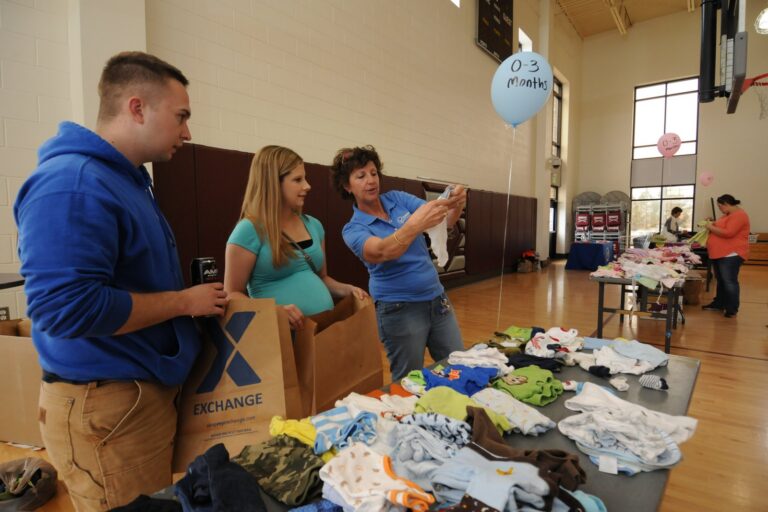
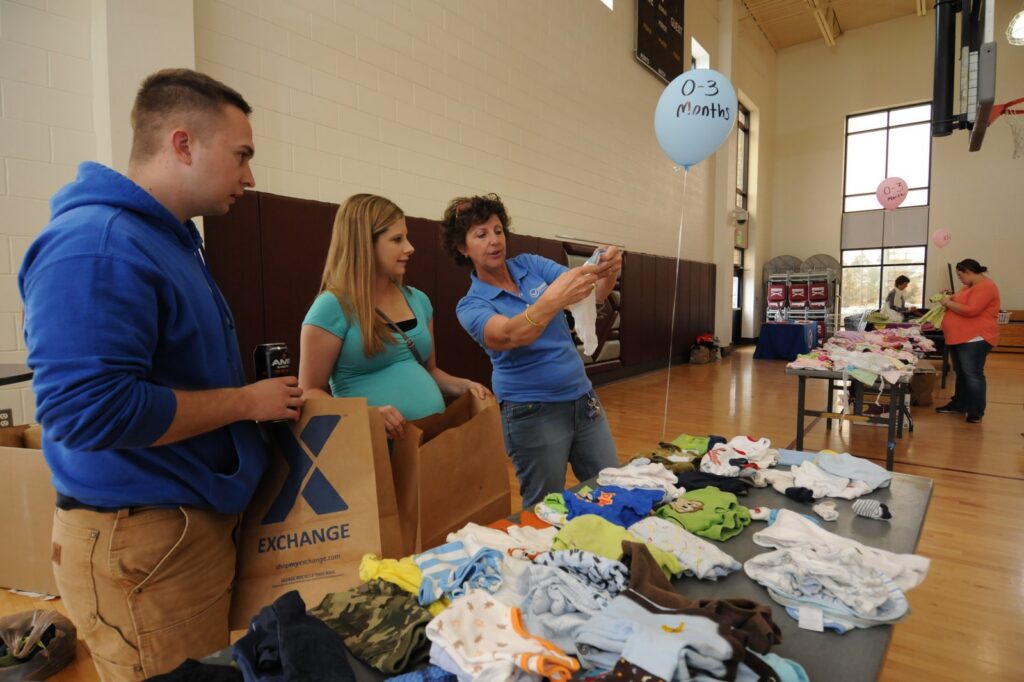
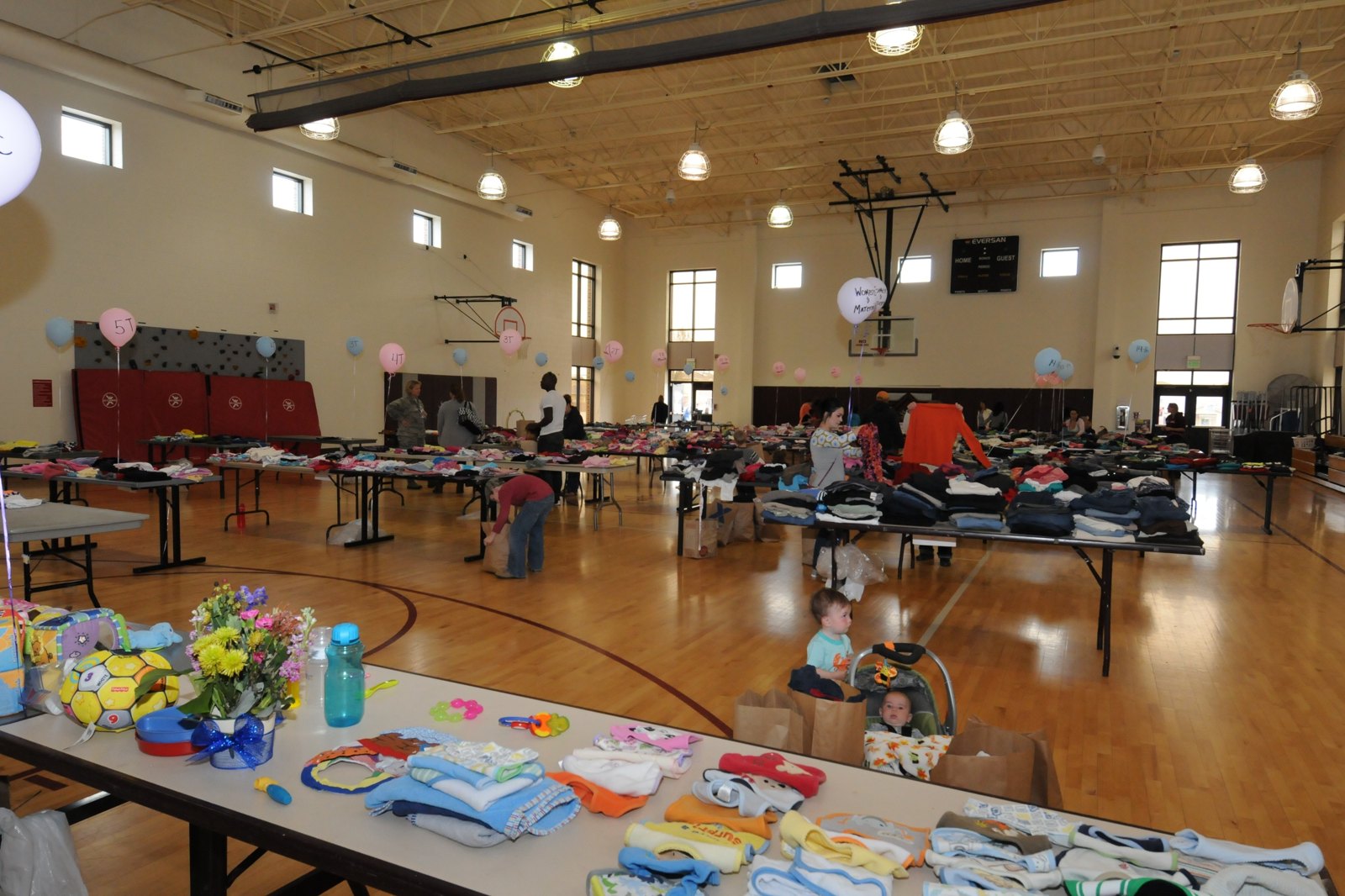
What unfolded at the University of Virginia’s Big SWAP event illustrates how the mechanics of thrifting have changed. Organized by the student group SWAP — an acronym for Sustainability, Wearing confidence, Accessibility and Promoting community — the semesterly gathering operates on a simple premise: students bring bags of used clothing and leave with an equal share of what others donated. No money changes hands. Olive Monahan, the group’s secretary, said the mission is “getting clothes so they’re not going to landfills,” but noted the atmosphere is equally vital. “Everybody here is really happy and passionate,” she said. The inventory shifts in real time as volunteers restock tables from fresh donation piles, turning the amphitheatre into a temporary, zero-waste department store.
Upcycling And The Maker Economy
In Detroit, Raya Chodock has built a brand, Haus of Raya, on the same principle scaled to commerce. After selling vintage and independent designers for two years, she pivoted in 2022 to upcycling — converting secondhand garments into new, one-of-a-kind pieces. She sources vintage sports tees from Michigan dealers and reworks them into dresses and knitwear using signature patterns cut in-house, a process that can take three months from sourcing to finished collection. Her basics come from sustainable mills and a local manufacturer. This winter, she is hosting “Rework with Raya” workshops to teach sewing and mending basics, arguing that the skill lets people “mend your own clothes and start making your own.”
Markets And Momentum
The model is replicating in public markets. In Denver, a “Shop, Swap, & Sip” event held on America Recycles Day drew more than 235 people to a local brewery. Fourteen local businesses, artists, and nonprofits sold upcycled fashion, vintage watches, and zero-waste goods alongside a clothing swap that saved hundreds of pounds of textiles from the landfill. Organizers also collected 81 signatures on petitions calling on H&M and Forever 21 to halt fast fashion waste. The event kicked off Colorado Recycles Week, the third week in November dedicated to promoting waste diversion statewide since 2020.
Affordability And The Greenwashing Trap
For teenagers, the economic argument is as persuasive as the environmental one. Sustainable fashion has a reputation for higher price tags — organic cotton requires more labor, and ethical brands pay living wages — but a new tier of affordable labels is emerging. Good On You, a ratings platform, curates brands rated “Good” or “Great” that sit in a budget-friendly price range, offering what it calls a “more approachable entry point.” The guide warns consumers to watch for greenwashing: fast fashion giants launching “conscious” lines while their core business models remain reliant on overproduction and disposable trends.
Influence And The Algorithm
Social media and influencers have acted as the accelerant. Platforms turn thrifting hauls and upcycling tutorials into content, normalizing secondhand style for an audience that measures identity in aesthetics. The visibility of events like Big SWAP and Shop, Swap, & Sip feeds the cycle, showing teenagers that sustainable fashion is not a sacrifice but a hunt — one with better odds than the clearance rack.
Sources
- Sustainable fashion
- 54 more affordable sustainable fashion brands – Good On You
- A Wild Western SWAP showdown brings sustainable fashion to Grounds
- Detroit-based Haus of Raya leading the way for sustainable fashion
- Sustainable market gives Denverites an alternative to fast fashion and waste
- Princess of Wales puts sustainable fashion in spotlight on India visit | The National
Photo: U.S. Space Force 50SW by 2nd Lt. Darren Domingo (Public domain)