
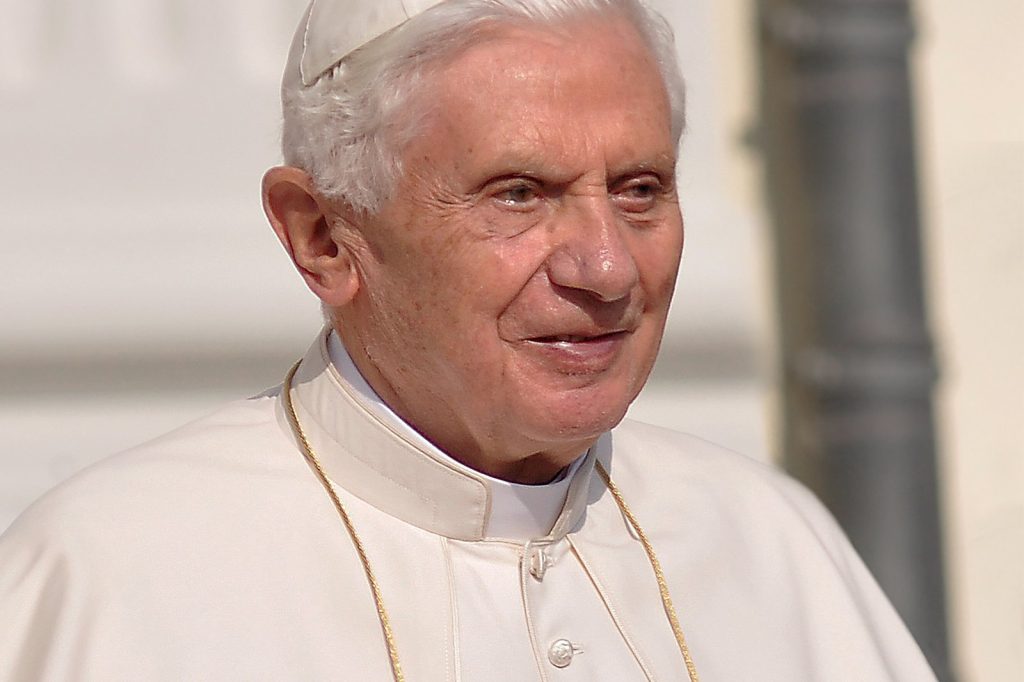
From his ordination in Bavaria in 1951 to his retirement as “pope emeritus,” Joseph Ratzinger’s career within the Catholic Church has been defined by a relentless emphasis on theological scholarship rather than parish ministry. The pattern emerged early: after becoming a priest, he earned a full professorship by 1958 at the age of 31, an ascent that highlighted his academic aptitude.
In 1977, Ratzinger’s appointment as Archbishop of Munich and Freising drew attention because it followed his episcopal consecration less than a month earlier. Despite a limited pastoral record, Pope Paul VI elevated him to the cardinalate, signaling a clear preference for a scholar over a traditional shepherd. This decision set the tone for the roles he would later assume.
Four years later, in 1981, Ratzinger was named Prefect of the Congregation for the Doctrine of the Faith, the Vatican’s oldest dicastery charged with safeguarding doctrinal integrity. The position, suited to a theologian rather than a parish priest, placed him at the helm of the Church’s doctrinal enforcement for more than two decades.
During this period he became the principal architect of contemporary Catholic orthodoxy, issuing theological clarifications and overseeing the application of Church teaching. The culmination of his scholarly path arrived with his election to the papacy in 2005. As Pope Benedict VI, he continued the logical extension of his previous work, defending Catholic doctrine from the Chair of Peter. His resignation in 2013—an event not seen in nearly six centuries—was presented as an act consistent with his long‑standing view that a pope unable to fulfill his duties should step down.
He then adopted the title “pope emeritus” and withdrew to a monastery within the Vatican gardens, where he has remained for almost a decade. Ratzinger’s influence persists despite his physical retirement.
His extensive writings, speeches, and doctrinal rulings continue to shape seminary curricula, episcopal references, and the operational framework of the Congregation for the Doctrine of the Faith. At 95, his presence is quiet, yet his intellectual legacy remains a cornerstone of Catholic thought. The current papacy under Pope Francis highlights a contrasting emphasis.
While Francis stresses mercy and pastoral adaptability, Ratzinger’s legacy underscores doctrinal clarity and firm boundaries. The tension between these approaches reflects structural rather than personal differences: one leader built a career on defining truth, the other on applying it to complex human realities.
For seven decades, Ratzinger’s mind guided Catholic teaching on liturgy, morality, and the relationship between faith and reason. The Church today continues to grapple with the balance between his doctrinal rigor and the more pastoral orientation of the present pontificate. Though Ratzinger never oversaw a large diocese or managed a vast bureaucracy, his dedication to writing, teaching, and doctrinal enforcement secured his place as a pivotal figure in modern Catholic history.




