
Westminster, July 18, 2024 — cybernewschronicle.com — The King’s Speech is 1,421 words long. Those words, read from a gilded throne in the House of Lords by a monarch recently treated for cancer, now carry a legislative freight of 39 proposed bills. For Prime Minister Keir Starmer, this is not just ceremony.
It is the first concrete map of what his Labour government intends to do with the power won in the July 2024 election. King Charles III delivered that map.
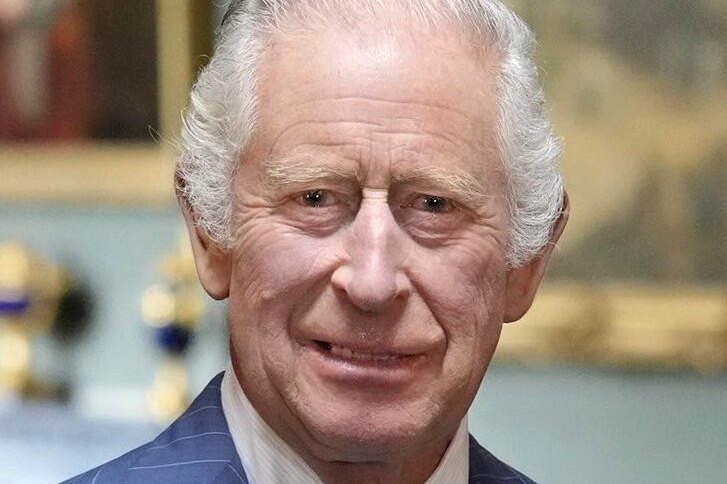
His presence was itself a statement of stamina. After stepping back from public duties earlier this year for cancer treatment, the 75-year-old monarch returned to Westminster in the Diamond Jubilee State Coach. The Household Cavalry rode alongside.
Queen Camilla sat at his side. The state opening happened.
That fact alone — that the King could manage the event — signals a recovery, but the event was never about the King. It was about the government’s agenda, now formally on the table. The stakes are concrete.
The government wants to renationalise the railways. That means taking private operators back into public ownership — a structural shift in how millions of people travel, and a direct reversal of decades of Conservative transport policy. It will cost money, require legislation, and face legal and operational hurdles.
The King’s Speech put that on the parliamentary timetable. Workers’ rights are next.
The speech promised to strengthen them, though the report gives no detail on what “strengthening” means. It could mean banning zero-hour contracts, raising the minimum wage, or giving unions more power to strike. Each option carries real risk for businesses, especially small ones.
The debate in the coming weeks will test how far Labour is willing to go. Illegal immigration also got a mention.
The government plans to “tackle” it. The previous Conservative government’s Rwanda deportation scheme collapsed. Labour inherits a system still under strain, with Channel crossings continuing.
The speech offered no specifics on a replacement plan. The risk is that the words remain just words — that the government talks tough but delivers no new mechanism to deter or process arrivals. That would leave the policy vacuum unfilled.
Then there is the House of Lords. The government wants to reform it.
The report does not say how. Abolition? An elected chamber?
Age limits? The Lords is the second chamber, unelected, full of appointed peers and hereditary aristocrats.
Any reform is a constitutional change. It will take time, political capital, and a majority in the Commons. If the government pushes too hard, it could stall the rest of the agenda.
If it pushes too softly, nothing changes. These are not abstract promises. They are 39 pieces of proposed legislation, each one a bill that must survive debate, amendment, and votes in both Houses.
The King’s Speech is the starting gun, not the finish line. For Starmer, this is his first State Opening since taking office.
The agenda is his. The risks are his too. The King read the words.
The Labour Party wrote them. Now Parliament will decide what survives.
That is what is at stake in the coming weeks and months: not just a set of policies, but whether a new government can turn a 1,421-word speech into law.
{“@context”: “https://schema.org”, “@type”: “NewsArticle”, “headline”: “King Charles III’s Speech Maps 39 Bills for Labour Government”, “description”: “The King’s Speech is 1,421 words long. Those words, read from a gilded throne in the House of Lords by a monarch recently treated for cancer, now carry a legisl”, “datePublished”: “2024-07-18T15:00:00+00:00”, “author”: {“@type”: “Person”, “name”: “InfoPulse Today”}, “publisher”: {“@type”: “Organization”, “name”: “InfoPulse Today”}}




