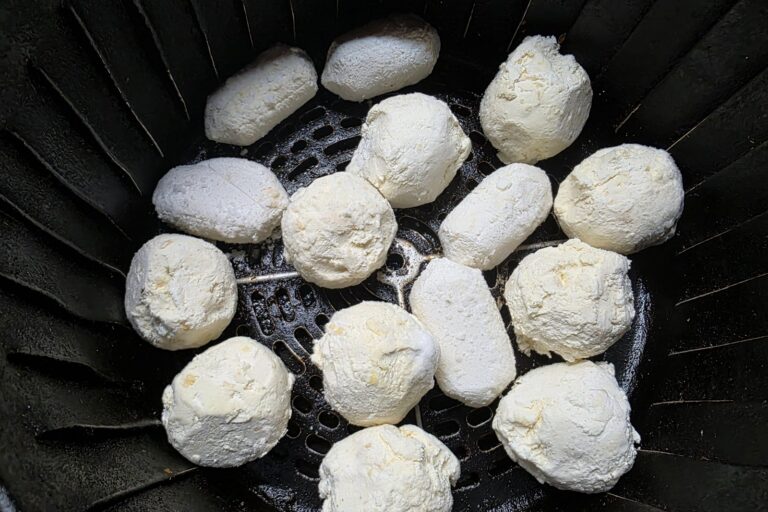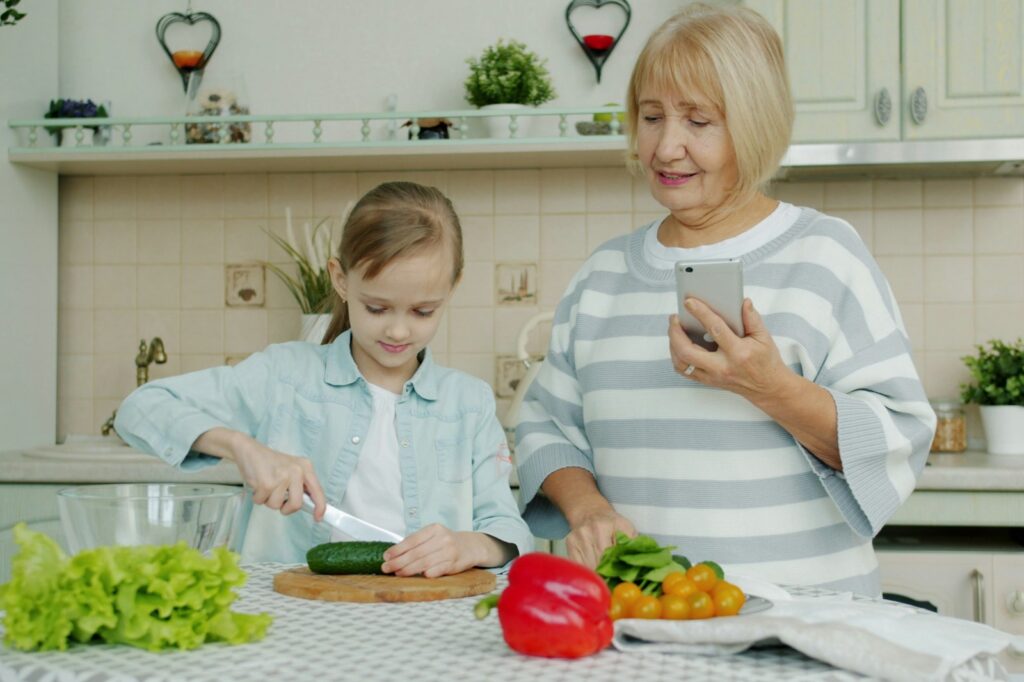
The story of a viral recipe begins not on a kitchen counter, but on a screen, where a 15-second video can launch a culinary trend that lands on dinner tables across the globe. For millions, the journey from a TikTok food trend to a practical home-cooked meal is a seamless, almost magical transition, powered by a global platform that has fundamentally changed how we discover, share, and eat.
The Rise of TikTok Food Content
This culinary revolution is happening on TikTok, a Chinese social networking service and short-form online video platform that hosts videos ranging from three seconds to 60 minutes. Since its launch, the platform has become one of the world’s most popular social media services, using recommendation algorithms to connect content creators and influencers with new audiences. The popularity of TikTok has allowed viral trends in food, fashion, and music to take off and increase its worldwide cultural impact. The numbers are staggering. Currently, TikTok has 2.21 billion active users globally, with the United States recording the highest number of users at 136 million. In the USA, people spend an average of 53.8 minutes per day on the app, a significant commitment of time that underscores its central role in daily life.
Mechanics of Viral Recipe Algorithms
At its heart, the transition from video to table is driven by TikTok’s powerful recommendation engine. The platform uses algorithms to connect content creators and influencers with new audiences, a mechanism that can turn a simple cooking video into a global phenomenon overnight. A creator posts a short, visually appealing recipe—perhaps a creamy fettuccine or a viral baked feta pasta. The algorithm identifies the video’s potential, pushing it to users who have shown interest in similar content, food creators, or even just general lifestyle videos. This creates a feedback loop: as more people watch, like, and comment, the algorithm’s confidence in the video grows, amplifying its reach to millions who might never have encountered the recipe otherwise. The majority of TikTok creators are aged between 18 and 24 years, a demographic that is both creating and consuming these trends, shaping a food culture that is fast, accessible, and visually driven.
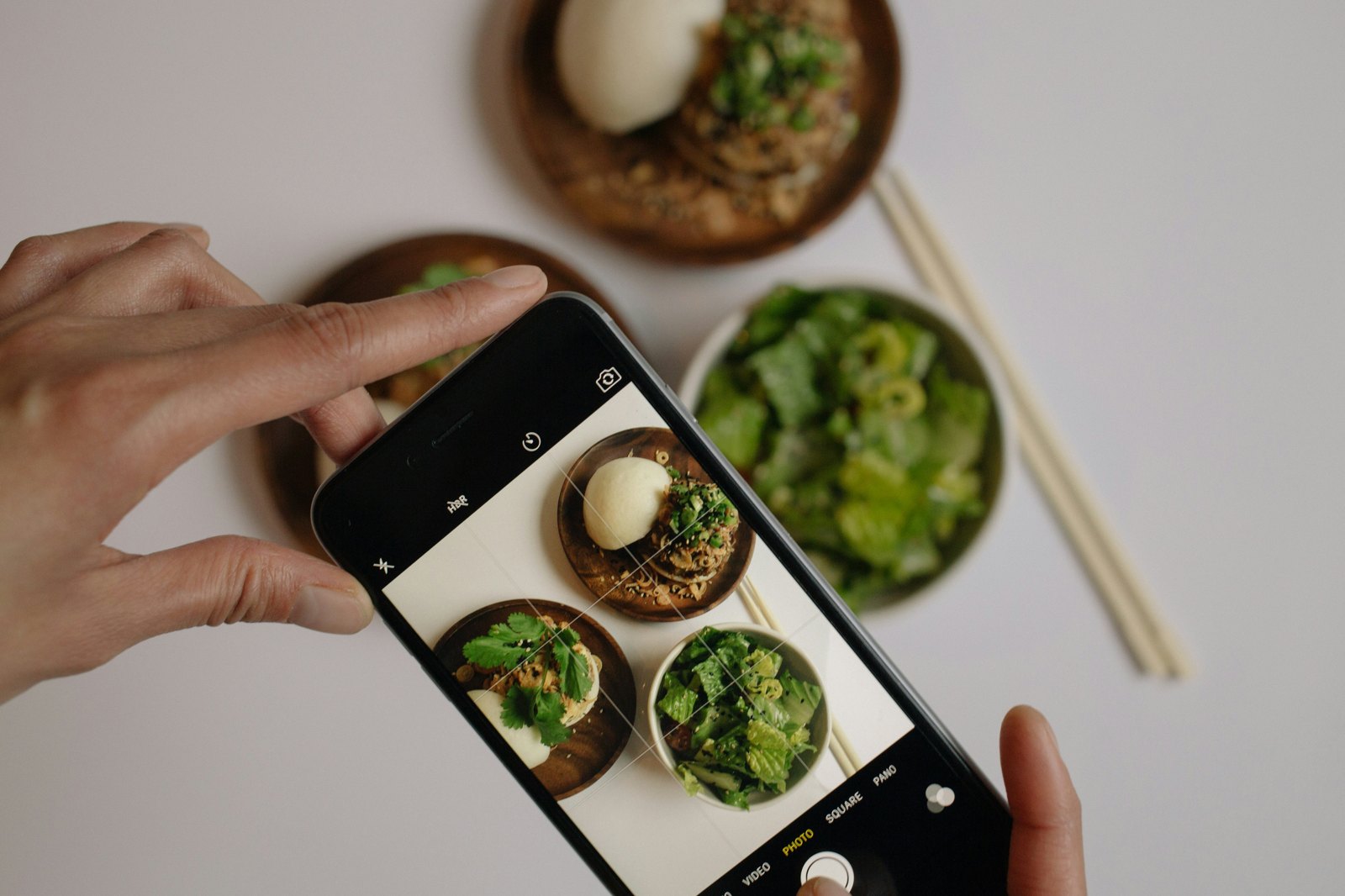
Transitioning Video to Practical Cooking
The magic lies in how these short-form videos translate into practical, everyday cooking. Unlike a traditional recipe blog with pages of text and multiple photos, a TikTok recipe is distilled to its essence. The video format, often set to a catchy tune and featuring quick cuts and satisfying visuals, breaks down a dish into simple, easy-to-follow steps. A viewer might see an ingredient being chopped, a sauce being mixed, and the final, glorious plated result, all in under 30 seconds. This format demystifies cooking, making it feel approachable and achievable for even novice chefs. The trends that successfully transition are often those that promise a big result with minimal effort, using accessible ingredients that viewers can find at their local supermarket. The story of a viral recipe is not just about what is being cooked, but how the video itself teaches a new generation to cook, one swipe at a time.
Audience Demographics and Engagement
The audience for these trends is vast and deeply engaged. With 2.21 billion monthly active users, TikTok is the world’s 5th most used social media platform. The United States has the largest TikTok audience, with over 136 million users, many of whom are turning to the app for meal inspiration. The platform’s high engagement is key; users spend an average of 53.8 minutes per day on TikTok in the USA, a period during which they might encounter dozens of food videos. This sustained exposure normalizes new ingredients and techniques, making them less intimidating and more likely to be tried. When a trend like “baked feta pasta” or “cloud bread” appears in a user’s feed repeatedly, it shifts from a novelty to a genuine possibility for dinner, driven by the platform’s ability to create a shared cultural moment around food.
The Future of Social Media Recipes
As the platform continues to grow, its influence on global food culture is only set to deepen. TikTok added around 940 million new users compared to 2023, a growth of approximately 91.35%. This explosive expansion means new audiences and new culinary trends are constantly emerging. The future of social media recipes will likely see even more interactive and immersive formats, with creators finding new ways to engage their followers and translate the viral video experience into a successful home-cooked meal. The journey from a creator’s kitchen to a viewer’s table is now a well-oiled machine, powered by algorithms and a global audience hungry for the next delicious discovery. For those involved, from the home cook filming a simple recipe to the family trying it for the first time, the story is one of connection, creativity, and the simple joy of a meal shared.
Sources
- TikTok
- How Many People Use TikTok (2026): Active User Stats
- Spain demands TikTok suspension until child abuse material is removed
- TikTok Lawsuit 2026: Who Qualifies & How to File
- Meet UCLA’s viral redhead cheerleader: Her massive social media following and actor boyfriend
- Clarkson's Farm star teases new filming project after split from partner
Photo: Vitaly Gariev / Unsplash (Unsplash License)