SAN FRANCISCO, November 21, 2026 — Instacart has mapped the grocery carts of millions of Americans to forecast the ten food trends that will define 2027. The data, drawn from orders placed between January and September 2026 across nearly 100,000 stores, points to a year where fancy fruit, bite-size snacks, and a Japanese and East Asian pantry lead the way.
The Story Begins in the Cart
Every year, the platform that connects 2,200 retailers and 9,000 consumer packaged goods brands looks backward to see forward. Analysts filtered for categories that grew steadily, persisted through the summer, appeared in nearly every market, and were not propped up by a single retailer. The result is a list of ten trends that grew their share of items in Instacart carts during the first nine months of 2026.
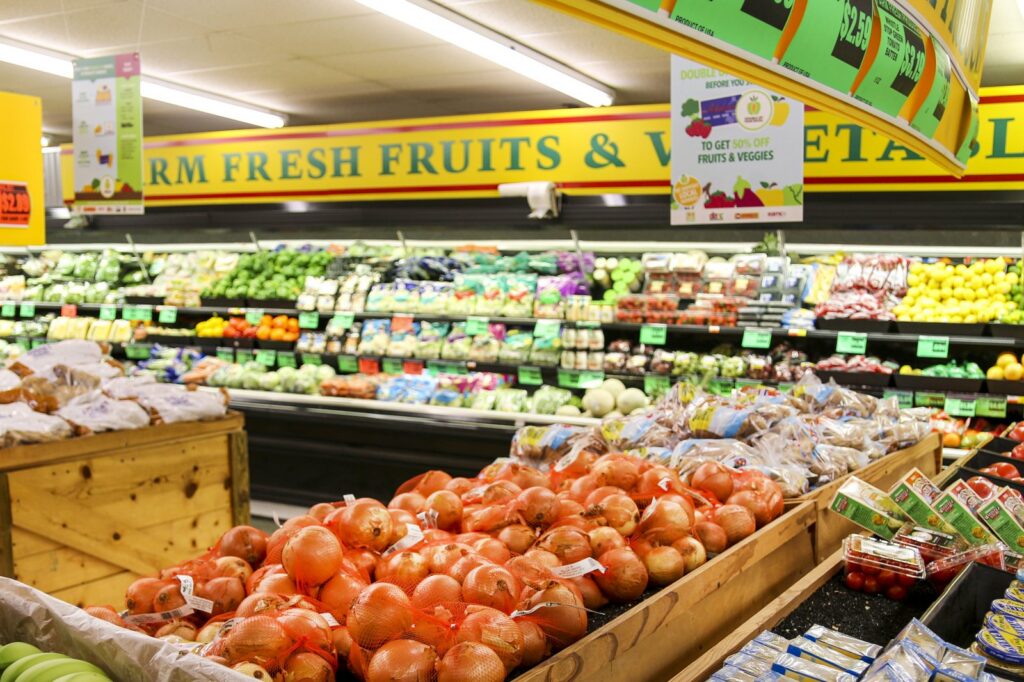
At its heart, the story is one of elevation. The top trend, labeled “fruit, but fancy,” grew 33 percent. It sits alongside “bite-size and better-for-you” at 25 percent and the “Japanese and East Asian pantry” at 24 percent. These are not niche movements; they are broad shifts in what home cooks reach for when they open the app.
Breakout Stars: Sushi Rice and Chili Crisp
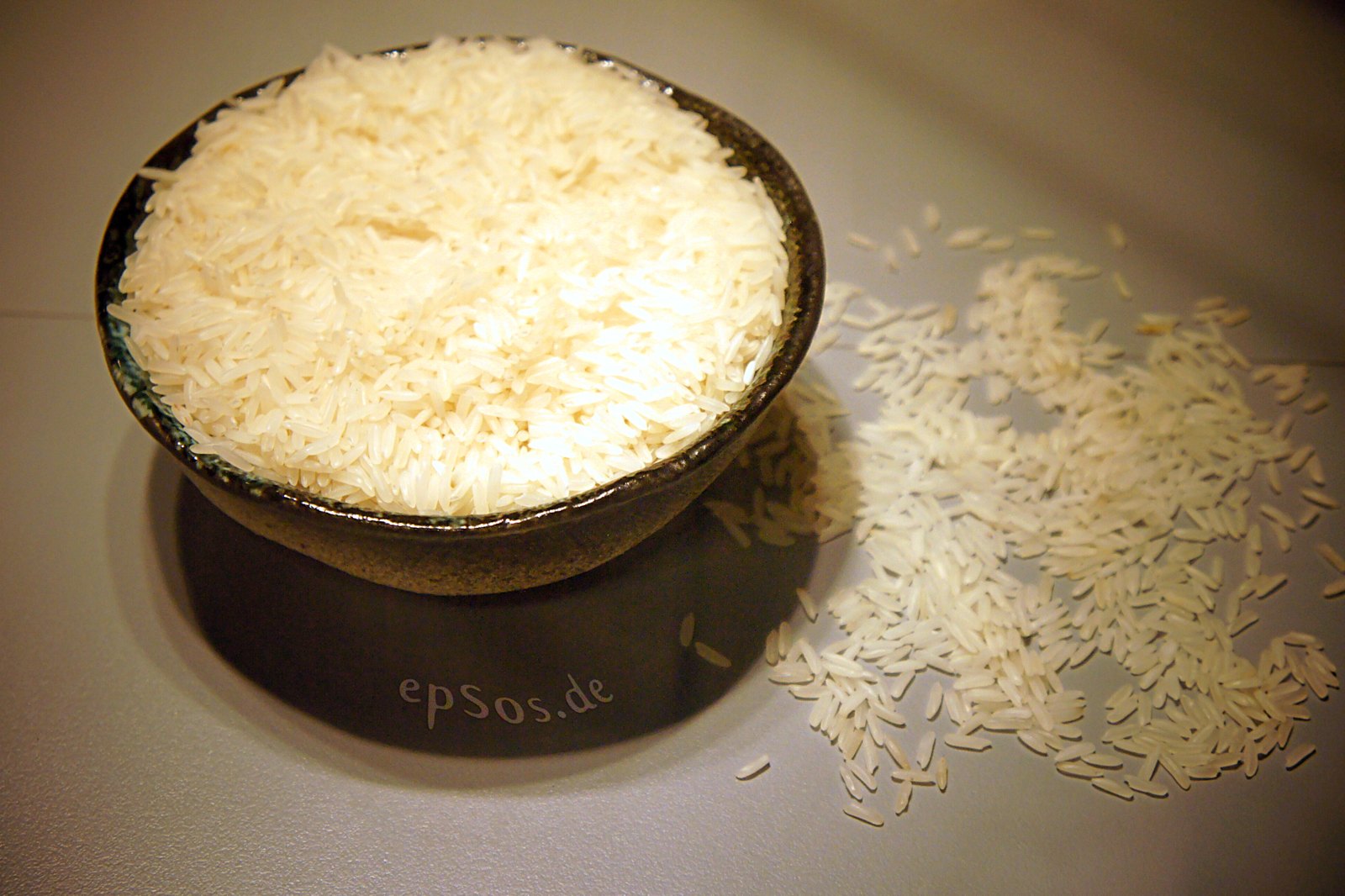
Within the East Asian pantry trend, two categories posted numbers that demand attention. Sushi rice nearly doubled, surging 91 percent. Chili crisp, the condiment that has migrated from restaurant tables to home refrigerators, grew 67 percent. For those involved, the shift feels less like a trend and more like a new baseline. Canned sardines, carried by brands like Wild Planet and Fishwife, grew 41 percent, continuing a tinned-fish renaissance that shows no sign of ebbing.
Breakfast got an upgrade, too. Sourdough rose 31 percent, leading a broader breakfast category up 21 percent. Beef bacon jumped 49 percent, signaling a willingness to swap the familiar for something richer.
A Map of Thirty-Two Favorites
What unfolded next reveals the texture of the country. Thirty-two different categories claimed the top spot across the 50 states and the District of Columbia. In Massachusetts, it was Greek yogurt. In California, Latin crema. In Rhode Island, chicken salad. The variation is a reminder that a national forecast is really a mosaic of local habits.
Some places were early. Massachusetts devoted an 18 percent larger share of its cart to these ten trends than the national average as far back as 2025. Utah, Washington, Oregon, and Idaho followed. Among cities, Santa Monica led at 52 percent above the national rate, with San Francisco at 47 percent, Newton, Massachusetts at 44 percent, and Kirkland, Washington at 39 percent. If you live in one of these places, your cart may already look like everyone else’s will next year.
Context: A Company in Transition
The forecast arrives while Instacart navigates its own inflection point. In October 2026, DoorDash agreed to acquire the company for $17 billion in a cash-and-stock deal valued at $65 a share, a 26 percent premium. The merger, approved unanimously by Instacart’s board, still requires shareholder and regulatory approval in the United States, Canada, and Israel. The companies have said they expect the deal to close in late 2027 or the first half of 2028.
Regulators are watching. The Department of Justice is reviewing the merger, and the Federal Trade Commission launched a personalized pricing inquiry in October 2026 into Instacart and eight other major companies, including DoorDash, Uber, and Walmart. DoorDash has publicly stated it does not use surveillance pricing or personalized pricing practices, promising that two customers ordering from the same vendor at the same time see the same item price. The FTC’s order seeks detailed information on how personal data sets prices and compensation. Previous talks between DoorDash and Instacart in 2021 ended over antitrust concerns.
Sources
- Instacart
- The $17 billion DoorDash-Instacart deal puts a spotlight on a16z and Silicon Valley’s rival-board problem | Fortune
- 10 rising food trends, according to Instacart data | The Garden Island
- DoorDash pushes back on FTC pricing inquiry: 'We don’t do surveillance pricing'
- FTC’s Personalized Pricing Crackdown Could Hurt Consumers
- Indian-Origin, US-Based Agency Founder Nominated for CoA Award, Ceremony to Be Held at Oxford University Campus
Photo: Alabama Extension (CC0)