BOSTON, November 22, 2026 — A bright green latte on a chilly Newbury Street sidewalk and a limited‑edition matcha tiramisu Frappuccino in a Tokyo café both signal a shift: the once‑ceremonial powder is now a global culinary star.
From Monks to Modern Menus
The story begins in the Song dynasty, when Chinese monks ground tea leaves into a fine powder and whisked it with hot water. That practice travelled to Japan around 1191 with the Zen monk Eisai, who introduced the technique to a culture that would soon perfect it. By the sixteenth‑century Muromachi period, Japanese farmers had devised shading methods that produced tencha, the precursor to today’s matcha, giving the powder its vivid hue and umami‑rich profile.
Why the Aesthetic Captivates
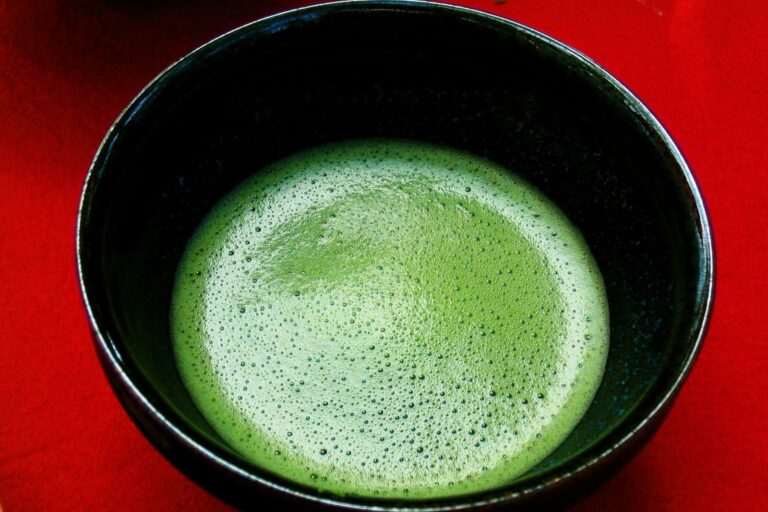
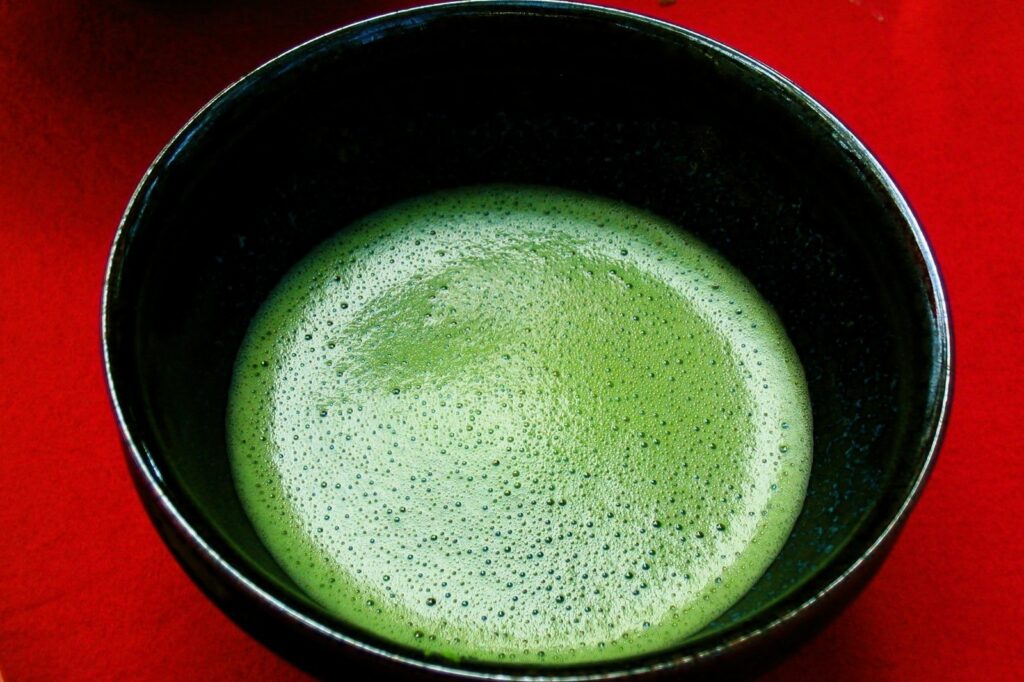
At its heart, ceremonial‑grade matcha from Japan offers an earthy, subtle sweetness that can be savoured straight, hand‑whisked, without milk. As one Boston student noted, “the good stuff from Japan… tastes good without milk,” a sentiment echoed by consumers who see the bright green swirl as a visual promise of health and mindfulness. The colour itself—bright, almost neon—has become a design cue for brands seeking Instagram‑ready products, from matcha‑infused ice cream to blue‑lavender latte blends that promise calm and focus.
Numbers Behind the Green Surge
Export data for the 2025–26 fiscal year show Japan shipped 13,125 tonnes of green tea, a 42 percent jump from the previous year, and the value of those exports more than doubled to 84.7 billion yen (US$535 million). Powdered green tea, including matcha, made up roughly 70 percent of that volume, with the United States alone accounting for over 30 percent of shipments.
Supply Chains Under Strain
Producers face a tangle of agricultural hurdles. Tencha must be grown on hilly terrain, shaded with costly sheets, and dried in specialised furnaces. An ageing workforce and a shortage of successors compound the challenge, while heat damage in 2024 slashed one Kyoto grower’s spring 2025 harvest by a quarter. Switching from sencha to tencha also demands a three‑to‑five‑year waiting period for new bushes to mature, leaving many farms unable to meet soaring demand.
Innovation and the Road Ahead
Brands such as byChae have turned the story into a local experience, sourcing Japanese matcha for hand‑whisked drinks on Boston’s Newbury Street, while global chains roll out matcha‑tinted seasonal beverages. Yet, as food‑technology experts warn, “innovation teams need to think long term about what their backup plan is if a product takes off and outpaces supply.”
For the everyday consumer, the surge means brighter drinks and desserts on menus, but also higher prices—byChae’s hand‑whisked matcha costs about $7 per cup, reflecting the cost of importing premium powder and the labour involved.
Next month, Japan’s Ministry of Agriculture will release its 2026–27 subsidy plan for shade‑sheet distribution, a step that could help stabilise supply as demand continues to climb.
Sources
- Matcha
- Boston Brews: byChae – The Tufts Daily
- Blume Matcha Coconut & Blue Lavender Latte Powder Variety Pack 50 Servings | Organic Superfood Boosters for Lattes, Coffee – L-Theanine, Blue Spirulina, Moringa, Coconut Milk – Organic, Keto Friendly | Grocery Pickup & Delivery | Whole Foods Market
- Can Japan turn a matcha craze into a lasting tea brand?
- Matcha and Ube: Supply Chain and Formulation Challenges
- Is Starbucks Japan’s new Matcha Tiramisu Frappuccino really like a Christmas tree?
Photo: rumpleteaser from Nagoya, Japan (CC BY 2.0)