The biggest food trends of 2027 are already sitting in grocery carts across the country, and some of them might surprise you. Instacart data tracking purchases from January through September 2026 reveals a shift toward fermented pastes, East Asian pantry staples, and nutrient-dense snacks that are reshaping what stores will stock next year.
The Story Begins in the Cart
Instacart analysts looked for categories that grew steadily, persisted through the summer, and appeared across retailers rather than spiking at a single chain. They found ten trends meeting that bar. At the top, “fruit, but fancy” grew its share of items by 33 percent. Bite-size and better-for-you snacks rose 25 percent. The Japanese and East Asian pantry category grew 24 percent overall, driven by specific ingredients moving from restaurant menus into home kitchens.
Sushi rice nearly doubled, with a 91 percent increase in share. Chili crisp, the fermented chili oil condiment, grew 67 percent. Both sit inside that broader East Asian pantry trend. Canned sardines swam upstream 41 percent, with brands like Wild Planet and Fishwife gaining the most share. At breakfast, sourdough rose 31 percent and beef bacon jumped 49 percent, part of an upgraded breakfast trend that grew 21 percent.
Layered Heat and Fermented Depth
Industry experts see those numbers continuing into 2027. The Institute of Food Technologists’ outlook identifies roasted tea, fermented chili pastes, and distinctive citrus as flavors poised to influence innovation. Heat is becoming more nuanced. Consumers are seeking layered profiles with distinct chili varieties, fermented pastes, and sweet, smoky, or tangy pairings rather than relying on intensity alone, according to the IFT report.
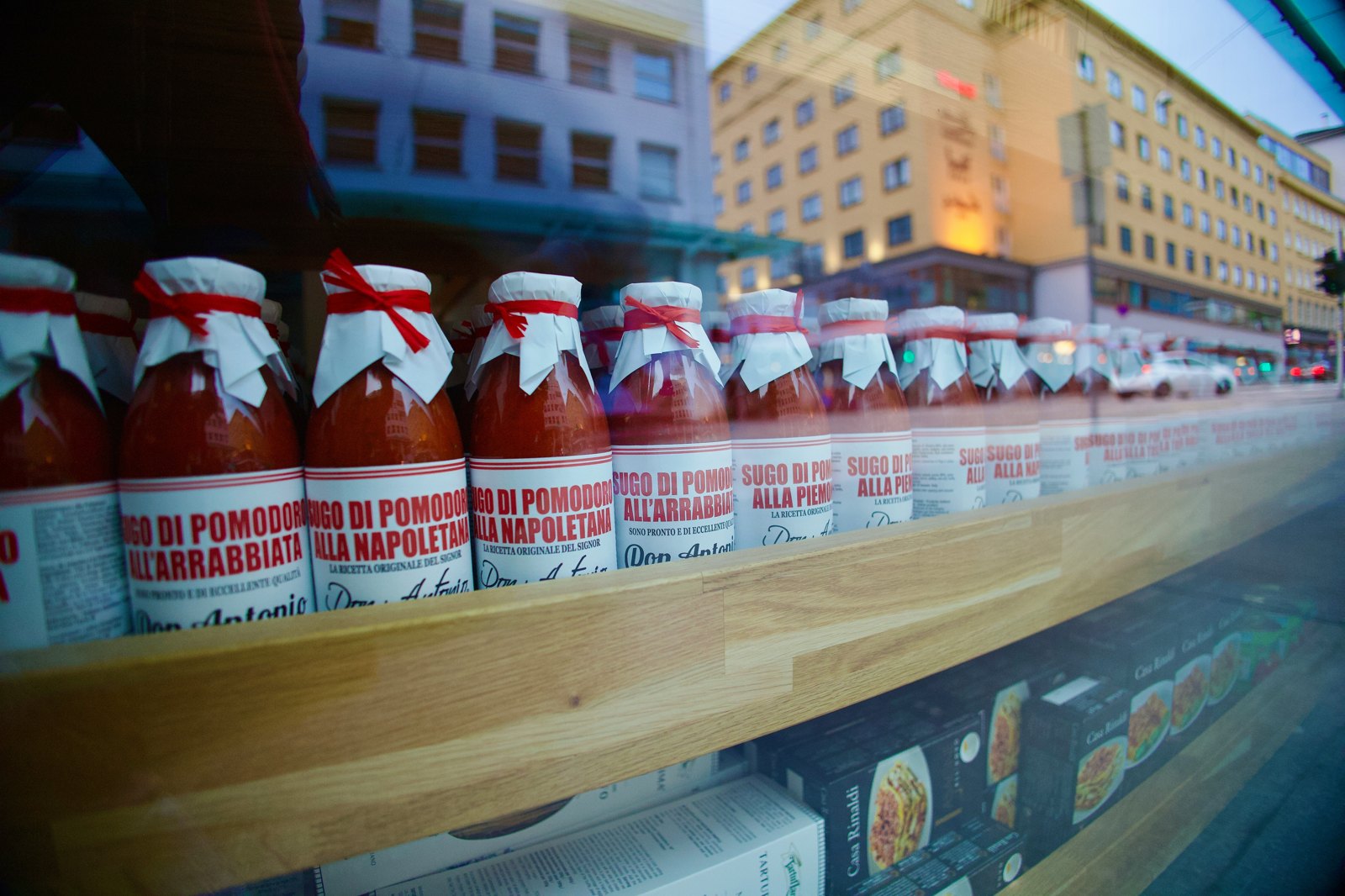
“Every person wants the bold, exciting options that speak to them in particular. They don’t want to compromise,” says Mike Kostyo, vice president of Menu Matters. He points to aged, cultured, and fermented foods, hand-pulled and house-cured items, as evidence that shoppers want process and artisanship on the label. Sydney Byrne, marketing manager for Sensient Flavors & Extracts, adds that preparation descriptors like “fire-roasted” and geographical identifiers like “Madagascar” for vanilla make flavors feel more distinctive.
Real Food, Real Value
At its heart, the shift reflects what the Specialty Food Association calls a return to core tenets. Inflation has pushed prices higher, restaurant traffic is down, and consumers are frustrated. They want elevation without blowing budgets, ritual without complexity, and ingredient lists that don’t require a food science degree to understand, said Leana Salamah, senior vice president of marketing and communications at the SFA.
The association sees white space between consumers eating out less and wanting a premium experience at home. Specialty brands are closing that distance. A nine-dollar jar of chili crisp turns a two-dollar bowl of rice into something worth posting. A ten-dollar jar of compote spooned over cream cheese becomes the potluck appetizer people remember. Familiar comfort foods are picking up global upgrades across the specialty aisle, from savory oatmeal to Mexican ketchup.
There is also pushback against the growing functional food trend. “Wellness has become homework,” the SFA said. Shoppers are tired of researching grams per serving, fiber types, and oil isolates. They want permission to stop calculating. A lentil doesn’t need a clinical study. A slow-simmered broth doesn’t need a strain designation. When the ingredient list reads like a pantry and not a science lab, shoppers can stop doing the math.
The Me-Me-Me Economy
For those involved, the changes feel personal. Yum! Brands identifies a “Me-Me-Me Economy” where consumers prioritize individual cravings over group defaults. Solo orders have increased 52 percent since 2021, now accounting for 47 percent of quick-service restaurant occasions compared with 31 percent in 2021. Sixty-eight percent of solo diners choose not to take advantage of a deal, and more than half spend ten to thirty dollars or more during a visit.
Personalization is influencing group dining, too. Forty-four percent of occasions involving a desire for something customizable were solo, while 31 percent involved two people. Among Gen Z and Millennials, personal-size pizzas are outperforming traditional group-oriented formats. The trend suggests grocery shelves will need to accommodate smaller portions and individual preferences alongside family packs.
Regional Variations
What unfolded in 2025 shows the trendsetters live in New England and the West. Massachusetts devoted an 18 percent bigger share of its cart to the ten trends than the nation, followed by Utah at 16 percent, Washington and Oregon at 14 percent, and Idaho at 13 percent. Greek and Icelandic yogurt was one of the three biggest contributors in six of the top ten states.
Among cities, Santa Monica, California led all cities with a 52 percent increase in trend-related purchases. San Francisco followed at 47 percent, Newton, Massachusetts at 44 percent, and Kirkland, Washington at 39 percent. Every state buys these trends differently. Thirty-two different categories top the list across 50 states plus D.C., from Greek yogurt in Massachusetts, up 47 percent, to Latin crema in California, up 246 percent, to chicken salad in Rhode Island, up 177 percent.
Sources
- Food trends
- Outlook 2027: Flavor Trends
- Specialty food trends reflect marketplace realities
- Yum! Brands identifies three food trends shaping the future of dining in 2026
- 10 rising food trends, according to Instacart data
- Middle East Halal Food Market Size, Share, Trends and Forecast (2026-2034) by Product, Distribution Channel, Country and Company
Photo: Shixart1985 (CC BY 2.0)