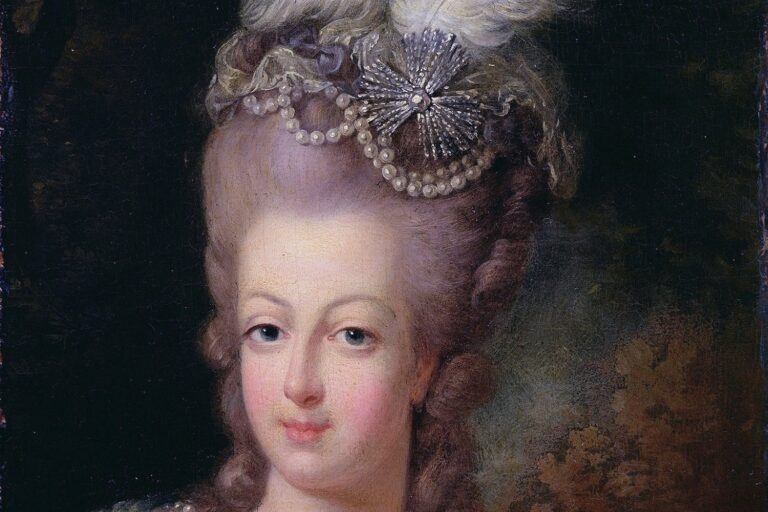
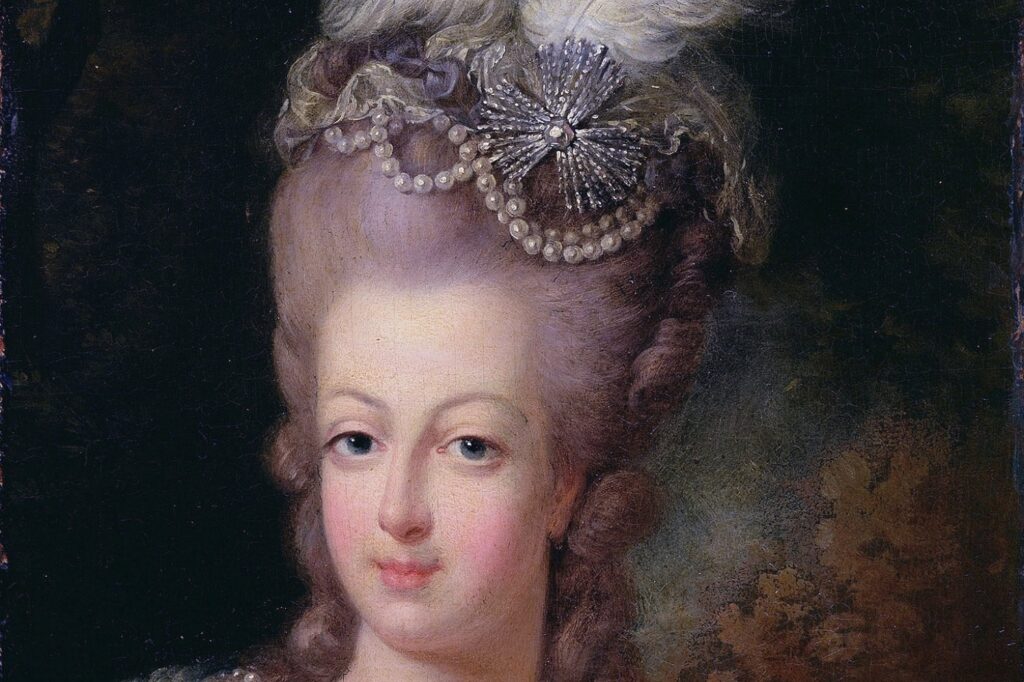
The iconic pouf hairstyle is back, trending across red carpets and social feeds with a lightness that would have astonished the women who pioneered it. The story begins in June 1775, when Marie Antoinette appeared at the coronation of Louis XVI wearing a towering coiffure that triggered a wave of adoption among French noblewomen.
The Architect of Height
The pouf was the creation of Léonard Autié, the famed hairdresser of the day. He built the structure on a thin metal frame and a triangular pillow, known as a toque, padded with pomaded false hair called postiches. The wearer’s own hair was then intertwined with the false hair, curled using heated clay curlers lined with paper strips, and finished with white or grey powder. In April 1774, the Duchess de Chartres debuted “Le Pouf Sentimental” at the Opera, a confection involving 14 yards of gauze, figures representing the baby Duc de Beaujolais and an African boy, a parrot, and a plate of cherries. It was a style that allowed women to literally wear their moods, decorating the towers with ships, animals, pearls, and ostrich feathers.
Crossing the Channel
The fashion spread rapidly across Europe. In England, Georgiana Cavendish, Duchess of Devonshire, became the most notable devotee, while Queen Charlotte also adopted the look. The heights were staggering. Empress Maria Theresa of Austria wrote to her daughter Marie Antoinette in 1775 complaining that the hairstyle measured 36 inches from the roots, adorned with feathers and ribbons. By 1776, the Queen’s plumes had to be removed so she could fit inside her carriage; other women knelt on carriage floors or held their hairpieces out the windows to travel to balls and the opera.
The Cost of the Crown
Maintaining the architecture was a grueling, intimate ritual. Women slept in night-caps secured with up to 24 long pins to preserve the style for a week or two until the pomade — often pork lard or mutton fat mixed with wheat flour — turned rancid and attracted vermin, ostensibly the origin of the phrase “rat’s nest.” They added extra pillows to keep their heads upright, ducked through doorways, and wore collapsible bonnets called calashes to shield the towers from wind and rain. The expense was ruinous for some; the Countess Goyon de Matignon paid her hairdresser 24,000 livres a year.
From Political Symbol to Pop Culture
The French Revolution turned the pouf into a political weapon. Women who supported the revolution turned against the Queen’s signature statement, and after Marie Antoinette’s execution, the style vanished for over a century. It returned in the 20th century as the beehive, worn by Dusty Springfield, The Ronettes, and later Amy Winehouse. The structure had softened, but the principle of constructed volume remained.
The 2000s Bump and the 2026 Revival
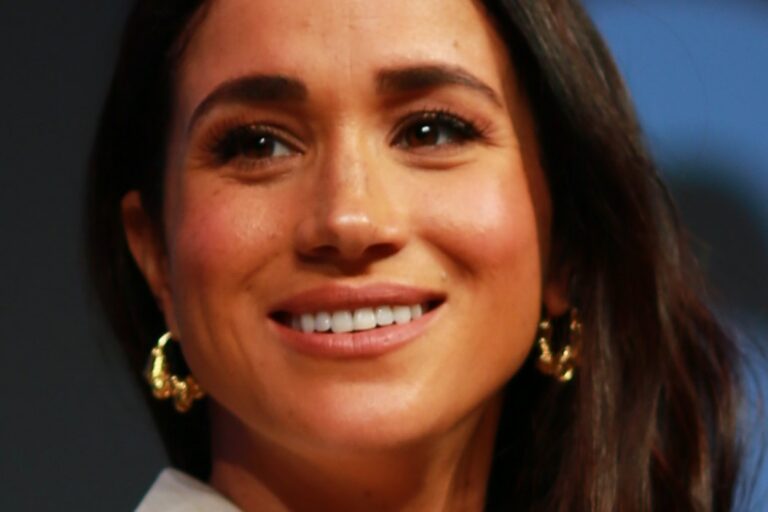
In the 2000s, the “front pouf” — a bump or quiff at the forehead — became ubiquitous, propped up by plastic inserts known as Bumpits and heavy hairspray. Now, Gen Z has revived the front pouf for 2026 with updated techniques. The modern version involves pulling a front section of hair forward to create volume at the crown, securing it in a way that is wearable with practically any hairstyle, no wire frames or pork lard required.
Sources
Photo: After Jean-Baptiste André Gautier-Dagoty (Public domain)