
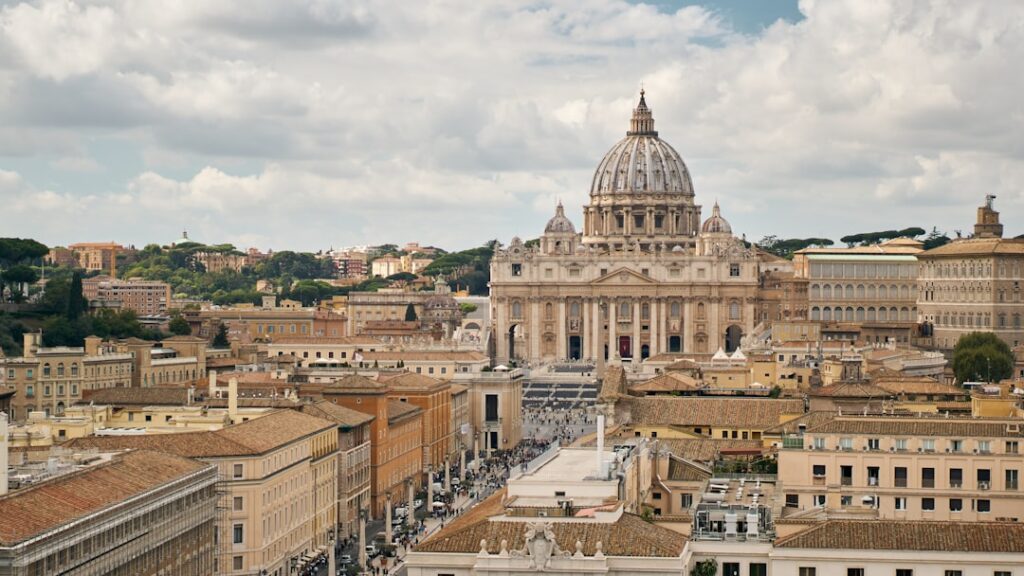
The Catholic Church entered a period of transition following the death of Pope Francis on April 21, 2025, at age 88. The pontiff died at the Vatican, triggering a carefully orchestrated succession procedure known as a conclave.
Cardinals from across the globe will convene inside the Sistine Chapel to cast their votes. The system relies on secret ballots, with smoke signals indicating the outcome. Black smoke signals no decision has been reached, while white smoke announces a new pope has been elected. Francis reshaped the College of Cardinals during his tenure, appointing a significant number of its members.
He elevated prelates from Asia, Africa, and Latin America, reducing the influence of European cardinals who once formed the dominant voting bloc. This shift is expected to play a role inside the conclave.
The next pope inherits a church navigating complex global relationships. Francis prioritized social justice and interfaith dialogue, commitments that drew praise from world leaders following his death. The U.S. president was among the first to respond, offering sympathy to Catholics and underscoring the country’s dedication to peace and understanding.
China also issued condolences, though the relationship between Beijing and the Vatican remains complicated. The country has a history of restricting religious freedom, a tension that will persist under Francis’s successor.
Church officials are working behind the scenes to ensure a smooth transition. Preparations include logistical arrangements for the conclave and managing the global reaction to the pope’s death. Condolences poured in from Catholic officials, other Christian leaders, and religious figures of other faiths, with the response still unfolding.
Francis led the church for over a decade as the first pope from the Americas. He chose the name Francis in honor of Saint Francis of Assisi, known for poverty and humility.
His papacy reflected those themes through simple living, criticism of economic inequality, and engagement with modern issues such as the environment and migration. Conservative Catholics often disagreed with his priorities, and some questioned his doctrinal flexibility. The conclave will determine whether the next pope continues Francis’s path or takes the church in a different direction.
The Vatican is a sovereign state with diplomatic relations with most countries. Its next leader will inherit those relationships, including the delicate one with China.
The selection of a new pope will be closely watched by people of all faiths and by governments worldwide. The machinery of succession is already moving. The cardinals will gather, the votes will be cast, and the world will watch the chimney for smoke.
A new pope will emerge from this process, and his actions will define the next chapter for the Catholic Church.




